Carrots got all the credit for good eyesight, but they are only one part of the story. A handful of nutrients matter for your eyes, especially as you get older, and they are easy to find in everyday food.
Eye Nutrients and Where to Find Them
| Nutrient | Why your eyes need it | Top foods |
|---|---|---|
| Lutein and zeaxanthin | Pigments that collect in the macula (central vision) and filter light | Kale, spinach, collards, egg yolks, corn |
| Vitamin A / beta-carotene | Needed for vision in dim light | Sweet potatoes, carrots, squash, cantaloupe |
| Vitamin C | Antioxidant found in eye tissue | Red peppers, citrus, strawberries, broccoli |
| Vitamin E | Antioxidant | Sunflower seeds, almonds, peanut butter |
| Zinc | Helps move vitamin A to the retina | Oysters, beef, chicken, beans, pumpkin seeds |
| Omega-3 (DHA) | A major fat in the retina | Salmon, sardines, trout, tuna |
10 Foods for Healthy Eyes
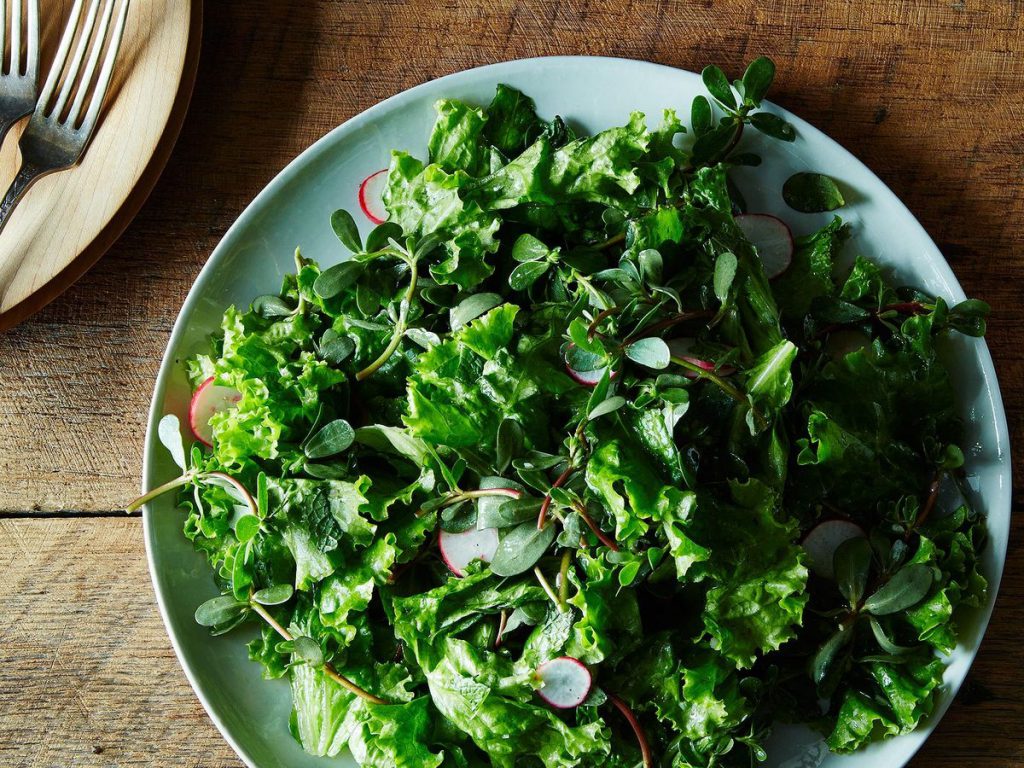
1. Dark leafy greens
 Save
SaveKale, spinach, and collards are the richest sources of lutein and zeaxanthin. Cook them with a little olive oil; these pigments are absorbed better with some fat. See our leafy greens guide.
2. Eggs
Egg yolks contain lutein and zeaxanthin in a form that is well absorbed, plus zinc. A spinach omelet doubles up.
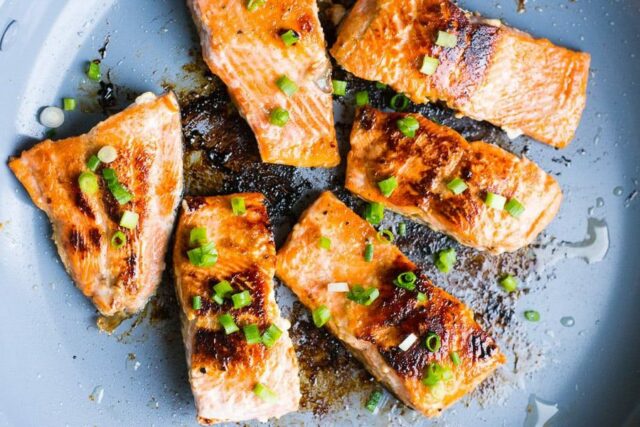
3. Salmon and other fatty fish
 Save
SaveDHA, an omega-3 fat, is concentrated in the retina. Aim for fatty fish about twice a week.
4. Red bell peppers
 Save
SaveOne of the best sources of vitamin C. Eat them raw with hummus to keep the most vitamin C, since heat breaks it down.
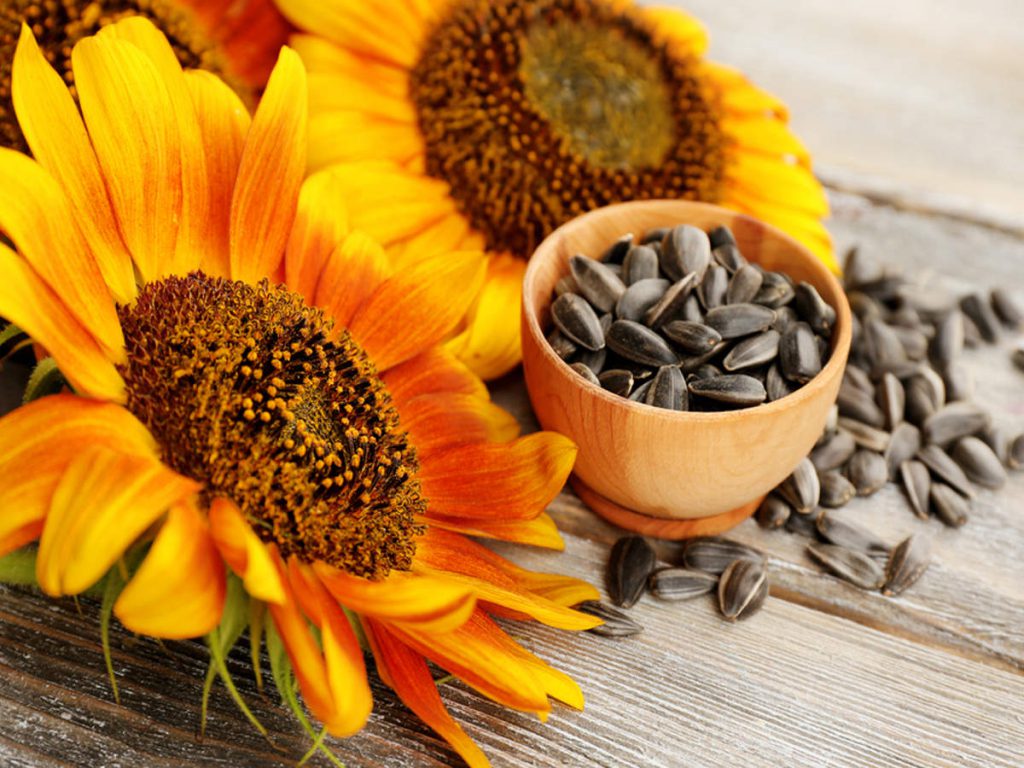
5. Sunflower seeds and almonds
The easiest way to get vitamin E. A small handful on salads or oatmeal is enough. More in our healthy seeds guide.
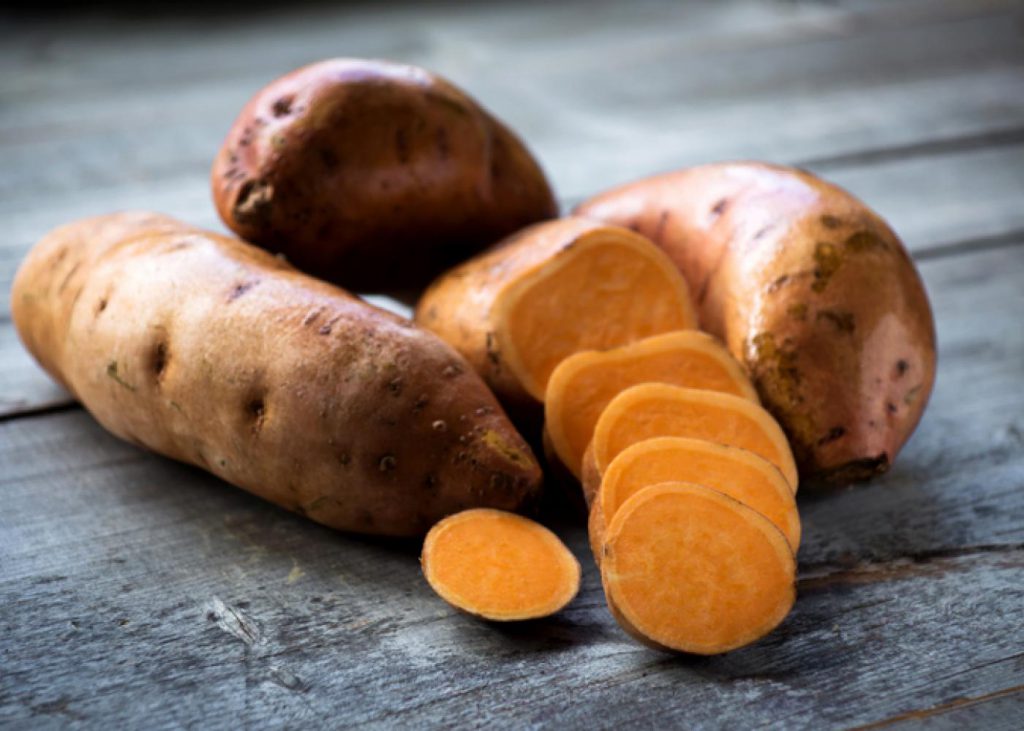
6. Sweet potatoes and carrots
 Save
SavePacked with beta-carotene, which your body turns into vitamin A. Roast them in wedges or mash them for a side.
7. Broccoli and Brussels sprouts
They bring vitamin C, lutein, and beta-carotene together.
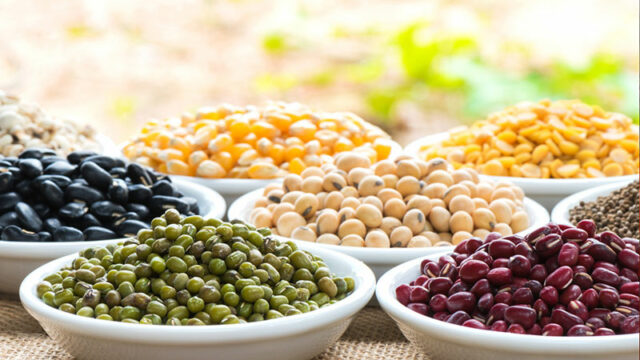
8. Beans and lentils
 Save
SaveA plant source of zinc, along with fiber and protein.
9. Lean beef and poultry
Good sources of zinc. Oysters are the richest of all if you eat shellfish.
10. Citrus fruits and berries
Oranges, grapefruit, strawberries, and kiwi round out your vitamin C.
What Food Can and Cannot Do
A diet rich in these foods supports healthy eyes, but food will not fix the need for glasses or reverse eye disease. The best-known research, the National Eye Institute’s AREDS studies, found that a specific high-dose supplement formula (vitamins C and E, zinc, copper, lutein, and zeaxanthin) can slow the progression of intermediate age-related macular degeneration. That formula is for people who already have the condition, so talk to your eye doctor before taking it. Regular eye exams, sunglasses with UV protection, and not smoking matter too.
Many of these foods also appear in our guide to foods high in antioxidants.