Parmesan is the highest protein cheese, with about 10 grams of protein per ounce (28 g). Romano and Gruyère come next. Hard, aged cheeses win because most of their water has been pressed and aged out, so every bite is denser in protein.
But if you want the most protein for the fewest calories, the answer changes: low-fat cottage cheese and part-skim mozzarella beat every hard cheese. Below are 12 cheeses ranked with USDA numbers, so you can pick by goal.
High protein cheese chart (per 1 ounce)
| Rank | Cheese | Protein | Calories | Sodium |
|---|---|---|---|---|
| 1 | Parmesan | 10.1 g | 111 | 333 mg |
| 2 | Romano | 9.0 g | 110 | 406 mg |
| 3 | Gruyère | 8.4 g | 117 | 202 mg |
| 4 | Swiss | 7.7 g | 111 | 52 mg |
| 5 | Provolone | 7.3 g | 100 | 206 mg |
| 6 | Gouda | 7.1 g | 101 | 232 mg |
| 7 | Monterey Jack | 6.9 g | 106 | 170 mg |
| 8 | Mozzarella, part-skim | 6.9 g | 72 | 175 mg |
| 9 | Cheddar | 6.6 g | 116 | 185 mg |
| 10 | Feta | 4.0 g | 75 | 323 mg |
| 11 | Ricotta, part-skim | 3.2 g | 39 | 28 mg |
| 12 | Cottage cheese, 2% | 3.1 g | 24 | 91 mg |
Ricotta and cottage cheese land at the bottom per ounce, but nobody eats one ounce of cottage cheese. Per normal portion they jump near the top, as the next table shows.
Most protein per calorie: the leanest picks
If you are counting calories or want a high protein, low fat cheese, this is the ranking that matters.
| Cheese | Protein per 100 calories | Fat per 100 g |
|---|---|---|
| Cottage cheese, 2% | 13.1 g | 2.3 g |
| Mozzarella, part-skim | 9.6 g | 15.9 g |
| Parmesan | 9.1 g | 25.0 g |
| Ricotta, part-skim | 8.3 g | 7.9 g |
| Romano | 8.2 g | 26.9 g |
| Provolone | 7.3 g | 26.6 g |
| Cheddar | 5.7 g | 34.0 g |
Want more lean options beyond dairy? See our list of high-protein low-fat foods ranked by protein per calorie.
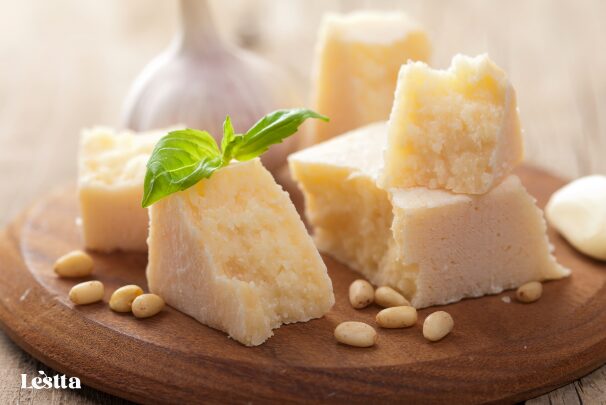
1. Parmesan: 10.1 g protein per ounce
 Save
Firm, nutty and aged for months, Parmesan tops the list. It is also salty (333 mg sodium per ounce), so treat it as a flavor booster rather than a snack block. Two tablespoons grated over eggs, roasted vegetables or whole-grain pasta adds protein and a lot of flavor for very little cheese.
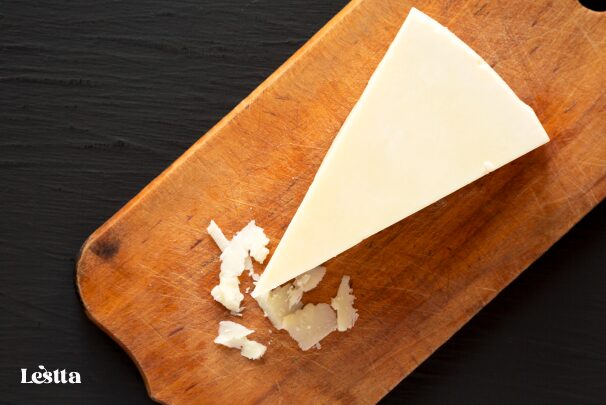
2. Romano: 9.0 g per ounce
 Save
Pecorino Romano is sharper and saltier than Parmesan, with the highest sodium on this list (406 mg per ounce). A small amount goes a long way in soups, Caesar dressing and bean salads.
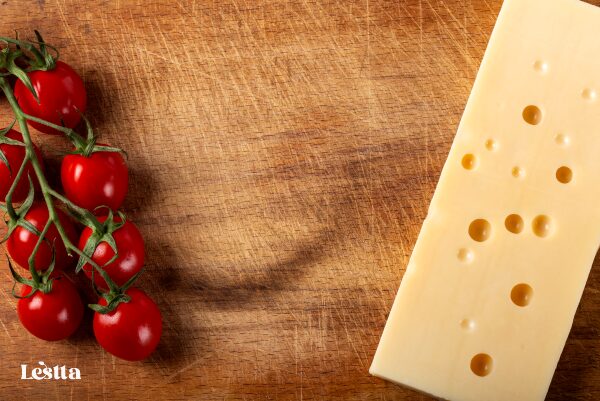
3. Gruyère: 8.4 g per ounce
 Save
Slightly sweet, nutty and one of the best melting cheeses. It is also one of the richest (117 calories per ounce), so use it where you will really taste it: omelets, egg bakes and a thin layer on a toasted sandwich.
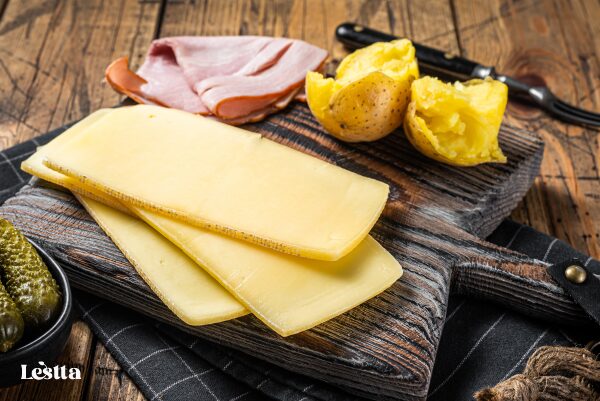
4. Swiss: 7.7 g per ounce
 Save
Swiss is the sleeper pick. It has solid protein and by far the lowest sodium of the hard cheeses here, about 52 mg per ounce compared with 333 mg in Parmesan. That makes it a smart everyday sandwich cheese.
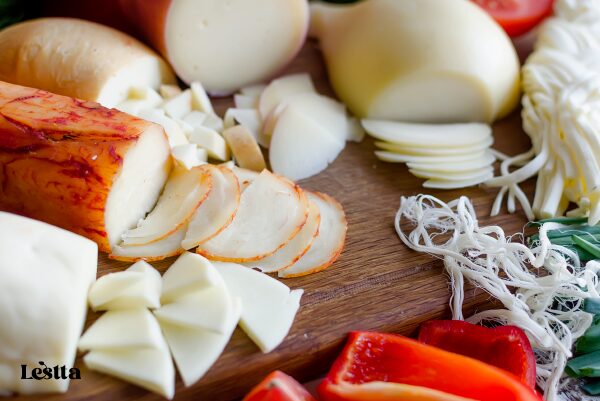
5. Provolone: 7.3 g per ounce
 Save
Smooth and a little tangy, at an even 100 calories per ounce. One deli slice is usually less than an ounce, so check the label if you are tracking. Layer it into wraps with turkey and vegetables.
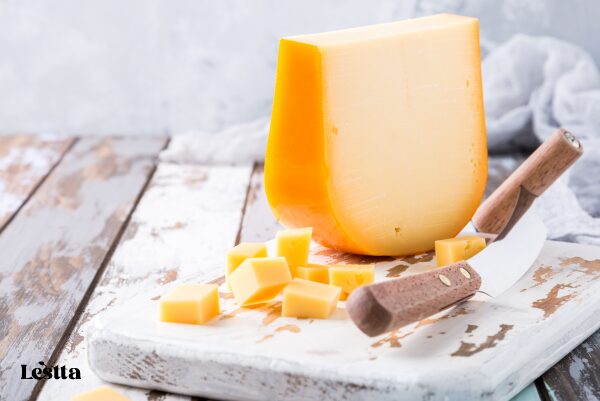
6. Gouda: 7.1 g per ounce
 Save
Mild when young, caramel-like when aged. A few cubes with apple slices or whole-grain crackers make a filling afternoon snack.
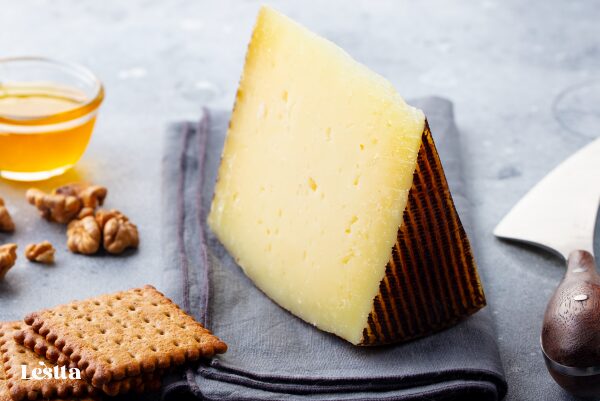
7. Monterey Jack: 6.9 g per ounce
 Save
Buttery, mild and a great melter, with fairly low sodium (170 mg per ounce). Use it in breakfast burritos, quesadillas and egg muffins.
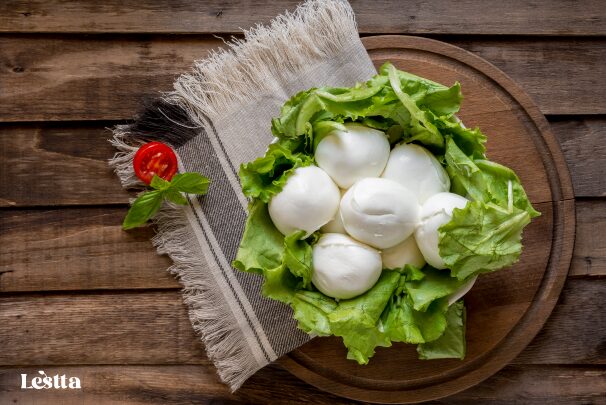
8. Part-skim mozzarella: 6.9 g per ounce
 Save
The best everyday choice if you want protein without a lot of calories: the same protein as Monterey Jack for only 72 calories per ounce. String cheese is usually part-skim mozzarella, which makes it an easy grab-and-go snack. It also tops our cottage cheese pizza bowl.
9. Cheddar: 6.6 g per ounce
 Save
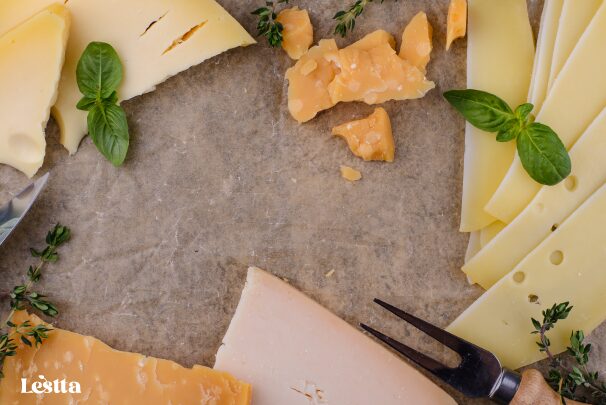
America’s favorite has decent protein but the most fat of any cheese here (34 g per 100 g). Sharp cheddar helps: the stronger flavor means you can use less. It is a staple in egg muffins and burritos from our breakfast meal prep ideas.
10. Feta: 4.0 g per ounce
 Save
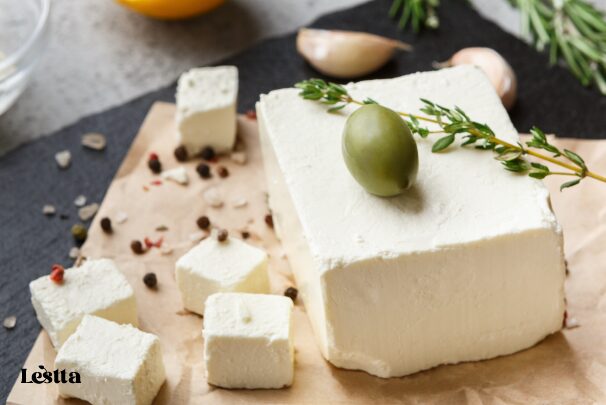
Feta is soft and brined, so it holds more water and less protein. It is also salty (323 mg per ounce). Still, a small crumble adds a lot of flavor to salads, grain bowls and roasted vegetables at 75 calories per ounce.
11. Part-skim ricotta: about 14 g per ½ cup
Per ounce, ricotta looks weak. Per half cup (about 124 g) it gives roughly 14 g of protein for about 170 calories, with very little sodium (99 mg per 100 g). Stir it into pasta, spread it on toast with berries, or use it in place of some of the cream in baked dishes.
12. Cottage cheese (2%): about 12 g per ½ cup
A half cup (about 113 g) of 2% cottage cheese has roughly 12 g of protein for about 95 calories. That is the best protein-per-calorie deal of any cheese on this list. A full cup doubles it. It is one of the stars of our high-protein breakfasts without eggs.
Best high protein cheese by goal
- Most protein per bite: Parmesan, then Romano.
- Most protein per calorie: 2% cottage cheese, then part-skim mozzarella.
- Lower sodium: Swiss among hard cheeses; part-skim ricotta among soft ones.
- Best melting cheese with good protein: Gruyère or Monterey Jack.
- Easiest snack: part-skim mozzarella string cheese.
Easy ways to get more protein from cheese
- Grate hard cheese finely. A Microplane makes a little Parmesan cover a whole plate.
- Pair cheese with another protein. Eggs, beans, chicken or Greek yogurt do the heavy lifting, while cheese adds flavor.
- Blend cottage cheese. Blended until smooth, it works in pasta sauce, dips and scrambled eggs.
- Swap to part-skim. Part-skim mozzarella and ricotta keep most of the protein with less fat.
- Read the label. Protein and sodium vary a lot between brands, especially for shredded and “high protein” cheeses.
Want to plan a whole week of protein-forward mornings? See our high protein breakfast meal prep recipes.
FAQ
Which cheese has the most protein?
Parmesan, at about 10 g of protein per ounce, followed by Romano (9 g) and Gruyère (8.4 g). Per portion, a cup of cottage cheese gives more total protein than an ounce of any hard cheese.
What cheese is high in protein and low in fat?
Low-fat cottage cheese is the clear winner, with 11 g of protein and 2.3 g of fat per 100 g. Part-skim mozzarella and part-skim ricotta are good runners-up.
Does cottage cheese have more protein than cheddar?
Not by weight: cheddar has about 23 g per 100 g versus 11 g for cottage cheese. But cottage cheese has far fewer calories, so for the same 100 calories you get more than twice the protein.
Is cheese a good source of protein?
Yes, and it brings calcium too. The tradeoff is that most hard cheeses are also high in calories, saturated fat and sodium, so they work best in small amounts next to leaner protein foods. For more calcium-rich options, see our guide to calcium-rich foods.
Which cheese is lowest in sodium?
Of the cheeses here, Swiss (about 52 mg per ounce) and part-skim ricotta (about 28 mg per ounce) are the lowest. Romano, Parmesan and feta are the saltiest.
 You’ll also loveFermented Foods for Gut Health: 8 to Try and How to Pick the Good Ones
Sources: USDA FoodData Central via getfoodfacts.com: Parmesan (FDC 170848), Romano (171249), Gruyère (171242), Swiss (746767), provolone (170850), Gouda (171241), Monterey (170844), mozzarella part-skim (170847), cheddar (328637), feta (173420), ricotta part-skim (171248), cottage cheese 2% (328841). Per-ounce and per-portion numbers are calculated from the per-100 g values.