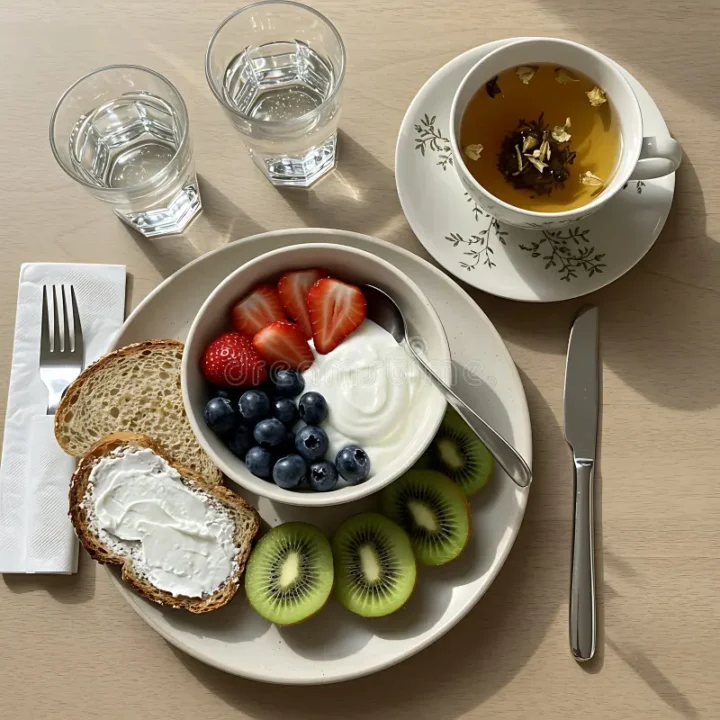
Stress is not just a feeling. It is a physical response, and cortisol is one of the hormones behind it. When stress drags on, your mind feels tense, your energy drops and small things feel bigger than they are.
Food will not erase stress, and it is not a substitute for sleep, movement or real support. But what and how you eat can make stressful days easier to handle. Many people search for foods that lower cortisol; the honest answer is that no single food does that on command, but a steady, balanced way of eating helps. That is the idea behind the Calm Diet.
Why food affects how stressed you feel
Your gut and brain are in constant contact, and your meals affect blood sugar, energy and how well you sleep. Big swings in blood sugar, long gaps without food and too much caffeine can all make you feel more on edge.
1. Healthy fats, especially omega-3s
Good choices: avocado, olive oil, walnuts, chia seeds, flaxseeds, salmon and sardines.
Omega-3 fats from fish are studied for brain and mood health. They also make meals more filling, which helps keep energy steady. For easy ways to use chia and flax, see these healthy seeds.
2. Magnesium-rich foods
Good choices: spinach, kale, pumpkin seeds, almonds, bananas and dark chocolate (70% or higher).
Magnesium helps muscles and nerves work normally, and many adults eat less of it than recommended. These foods are an easy way to get more. They also make a great base for light evening bowls.
3. Foods that keep blood sugar steady
Good choices: oats, quinoa, sweet potatoes, chickpeas, lentils and whole fruit like berries, apples and pears.
Sharp drops in blood sugar can leave you irritable, tired and foggy. Fiber-rich carbs release energy slowly, which helps avoid those crashes. A make-ahead option like overnight oats from our breakfast meal prep ideas makes this easy on busy mornings.
4. Colorful, antioxidant-rich foods
Good choices: blueberries, blackberries, tomatoes, ginger, turmeric, green tea and olive oil.
 You’ll also love10 Everyday Foods That Support Energy and Focus Naturally
A diet rich in fruits, vegetables and spices is linked with lower inflammation overall. It is not an instant fix, but it supports your body over time.
5. Calming herbal teas
Good choices: chamomile, lemon balm, lavender, rooibos and holy basil (tulsi).
Caffeine-free herbal teas are a simple evening ritual and a good swap for a late coffee. Herbal supplements such as ashwagandha are a different matter: they can interact with medicines, so talk to your doctor before taking them.
6. Complex carbs for comfort
Good choices: brown rice, oats, sweet potatoes, whole-grain pasta, barley and quinoa.
Many people crave carbs when stressed. Choosing whole-grain versions and pairing them with protein satisfies that craving without the crash that sugary snacks bring.
7. Enough protein
Good choices: Greek yogurt, eggs, salmon, chickpeas, lentils, tofu and turkey.
Protein keeps you full and your energy even. If mornings are your hardest time, start with one of these high-protein breakfasts without eggs.
8. Meal timing
Large, heavy meals late at night can disturb sleep, and poor sleep makes stress harder to manage. Try to:
- Eat regular meals so you are not running on empty
- Keep dinner lighter
- Leave 2 to 3 hours between dinner and bed
9. Steady hydration
Even mild dehydration can bring on fatigue, headaches and poor concentration, which make a stressful day feel worse. Sip water through the day rather than catching up at night.
10. Eat slowly
Rushed meals eaten over a screen rarely feel calming. Chew slowly, put your phone away and take a few breaths before the first bite. It is a small habit that turns a meal into a short break.
A sample Calm Diet day
| Meal | Idea |
|---|---|
| Breakfast | Smoothie with banana, oats, spinach, chia seeds and milk or almond milk (see more morning smoothies) |
| Lunch | Quinoa bowl with salmon, avocado, greens and olive oil |
| Dinner | Light bowl of sweet potato, tofu or lentils and warm vegetables |
| Evening | Chamomile tea and a slow wind-down |
FAQ
Can food really lower cortisol?
No single food lowers cortisol on demand. Regular, balanced meals, less caffeine late in the day and good sleep together help your body handle stress better.
What should I avoid when stressed?
Long gaps without food, lots of sugary snacks and too much caffeine, especially in the afternoon and evening, tend to make stress feel worse.
When should I get help?
If stress or anxiety is affecting your sleep, work or relationships for weeks, talk to a doctor or a mental health professional. Food can support you, but it is not treatment.
The bottom line
The Calm Diet is not a strict plan. It is a gentle way of eating on hard days: regular meals, plenty of plants, enough protein, steady carbs and a calming cup in the evening. Small, repeatable habits beat any single “superfood”.
 You’ll also love15 Supplement Mistakes That Waste Money (and What To Do Instead)