Because peace doesn’t always come from grand gestures — sometimes, it hides in the smallest habits.
When the Day Refuses to End
You’ve brushed your teeth, turned off the lights, and promised yourself no more scrolling. But your brain doesn’t listen. It replays conversations, to-do lists, and random thoughts from three years ago.
Falling asleep isn’t just about being tired — it’s about feeling safe enough to rest. And sometimes, all it takes are a few simple rituals to help your body and mind unwind together.
1. Dim the World, Not Just the Lights
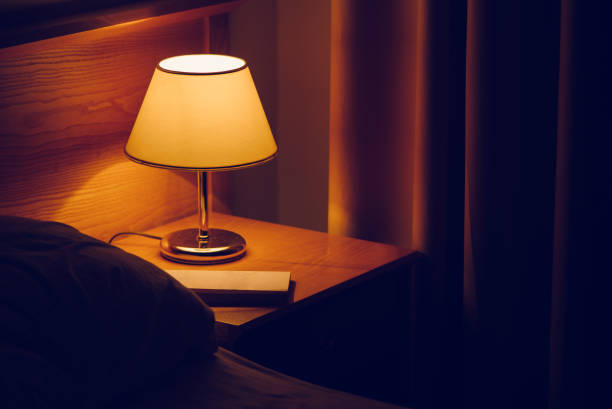
Light tells your body what time it is. Bright screens and ceiling lamps signal “daytime,” keeping your brain alert.
Try switching to warm, dim lighting an hour before bed — bedside lamps, candles, or even fairy lights. The goal isn’t darkness; it’s softness.
You’ll notice your thoughts start slowing down as the light fades.
2. The “Warm Hands” Trick

A quick, calming ritual: make yourself a warm drink — herbal tea, golden milk, or even warm water with honey.
That warmth in your hands sends a message of safety to your nervous system, telling it, “You can rest now.”
Bonus: the gentle routine itself becomes a mental cue that the day is ending.
3. Write — But Don’t Overthink
Journaling doesn’t need to be deep or poetic.
Just empty your head before bed. Write three things that went well, or one thought you want to leave on paper instead of your mind.
Think of it as a mental declutter — so your brain doesn’t try to “finish the day” while you’re asleep.
4. Sound That Slows You Down
Silence isn’t always relaxing — especially if you’re used to background noise.
Try soft ambient music, ocean sounds, or brown noise. Rhythmic, low tones signal calm to your body.
If you can, pick the same sound every night. Your brain will start associating it with rest, like a familiar lullaby.
5. The 5-Minute Wind-Down Rule
You don’t need a 30-minute nighttime routine. Start with five minutes of slowness — gentle stretches, deep breaths, or even just lying still and noticing your body.
Consistency matters more than duration. Over time, your body will recognize the pattern and begin relaxing on cue.
Sleep Is Emotional, Not Just Physical
We often try to “fix” our sleep by adjusting schedules or buying new pillows, but rest starts inside the mind.
It’s about feeling safe, unhurried, and present.
The truth? You don’t need a perfect routine. You just need one or two quiet moments that remind your body it’s okay to let go.
Because sometimes, peace isn’t found — it’s practiced.