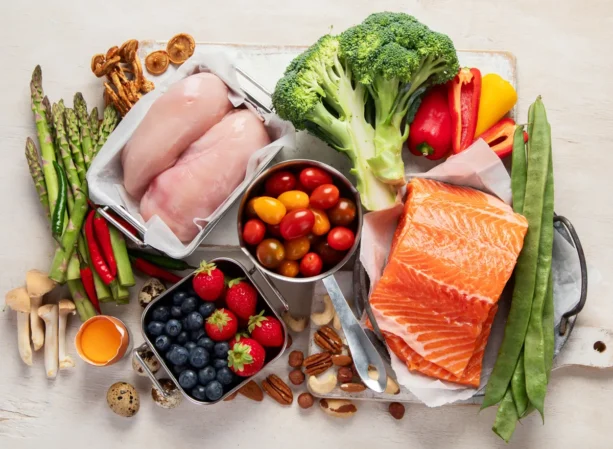
Supplements can help, but only if you use the right ones, at the right dose, for the right reason. Think of them like tools in a small, well-organized toolbox, not shiny gadgets you will never use. Here are the most common supplement mistakes and what to do instead.
This article is general information, not medical advice. Talk to your doctor or pharmacist before starting a supplement, especially if you are pregnant, take medication or have a health condition.
1. Treating Supplements Like Magic
Supplements will not fix poor sleep, zero steps or a chaotic diet. If you feel tired, unfocused and snacky all day, no pill beats a week of consistent sleep and balanced meals. Use supplements to support what you already do right, not to cover what is missing.
Do this: Anchor your routine with protein, vegetables, fiber, steps and sleep. Then add supplements for specific goals.
2. Skipping Blood Work
Guessing leads to the wrong products or doses, especially for vitamin D, iron and B12. Two people with the same symptoms can have opposite lab results. A test gives you a baseline and a way to measure progress, and re-testing stops the “forever dose” that quietly creates new problems.
Do this: Ask your clinician for labs if you suspect a deficiency, and re-test after the period they recommend.
3. Buying Everything at Once
A huge stack makes it impossible to know what helped or what upset your stomach. It also drains your budget until you stop taking anything at all. Start small, notice real changes, then decide what is worth keeping.
Do this: Start with one or two products for a few weeks, track how you feel, then reassess.
4. Ignoring Protein Intake
 Save
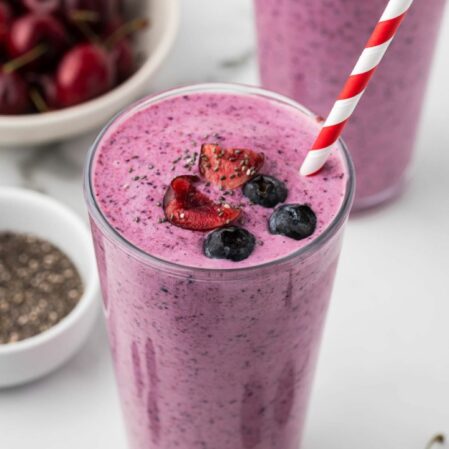
SaveIf daily protein is low, recovery stalls and hunger rises. Most people under-eat protein at breakfast and then chase it all day. Fix that one meal and the rest of the day gets easier; these high-protein breakfasts without eggs are an easy place to start.
Do this: Get protein from food first: Greek yogurt, eggs, fish, chicken, beans, tofu and high-protein cheeses. Use whey, casein or a complete plant protein powder only if food falls short. Active people often need more than the basic RDA; a dietitian can help you set a number.
5. Creatine Confusion
Creatine monohydrate is boring, and that is a compliment. It is one of the most researched supplements for strength and power, and it is inexpensive. Loading is not required; daily consistency is. Expect a couple of weeks before you notice a difference, and do not mistake water in the muscle for fat gain.
 You’ll also loveThe 7 Foods That Help You Stay Calm on the Busiest Days
Do this: Most studies use 3 to 5 g a day, taken at any time. Stay hydrated, and check with your doctor first if you have kidney problems.
6. Low Omega-3 Intake
If fatty fish rarely appears on your plate, an omega-3 supplement can help fill the gap. Not all fish oil is equal: what matters is how much EPA and DHA you actually get, and how fresh the oil is.
Do this: Try to eat fish like salmon or sardines first. If you buy a supplement, choose third-party-tested products and compare EPA + DHA mg per serving, not capsule size.
7. Under-valuing Fiber
Many people chase appetite control with pills while their fiber intake is close to zero. Fiber slows digestion, feeds your gut and keeps energy steadier between meals, and it comes packaged with vitamins and minerals.
Do this: Aim for about 25 to 35 g a day from vegetables, fruit, legumes, whole grains and seeds like chia and flax. Increase slowly and drink more water as you do.
8. Wrong Form, Wrong Dose
“Proprietary blends” often hide low doses that look impressive on the label but do little. Transparent labels remove the guesswork. When in doubt, choose simple, single-ingredient products.
Do this: Look for transparent labels that list every ingredient and amount, and a third-party testing seal.
9. Caffeine Creep
 Save
SavePre-workouts work mostly because caffeine works, but too late in the day and your sleep pays the price. Poor sleep makes you hungrier and weaker tomorrow, which cancels out today’s boost.
Do this: Use plain coffee or a simple pre-workout, and avoid caffeine late in the day. Not sure how much you are getting? See our green tea vs coffee guide for caffeine per cup.
10. Ignoring Interactions & Timing
Some nutrients compete for absorption, and others work better with food. Iron and calcium, for example, are best taken at different times, and fat-soluble vitamins (A, D, E and K) absorb better with a meal. Supplements can also interact with prescription drugs.
Do this: Space iron away from calcium, take fat-soluble vitamins with meals, and show your full list to your doctor or pharmacist.
11. Chasing “Detox”

Your liver and kidneys already handle detox around the clock. Most “detox” products are expensive ways to feel like you are doing something. If a product promises miracles in three days, it is selling a story.
 You’ll also love10 Everyday Foods That Support Energy and Focus Naturally
Do this: Save your money. Drink water, sleep, eat fiber and move.
12. Probiotics Without a Plan
 Save
SaveProbiotics are strain-specific, and more CFUs are not automatically better. Without a clear reason, such as advice from your doctor after antibiotics, you are guessing. Fermented foods give you variety plus nutrients.
Do this: Eat fermented foods like yogurt, kefir and kimchi. Use a targeted probiotic only for a specific issue, with professional guidance.
13. Electrolytes: Useful, Not Mandatory
If you train for a long time, sweat heavily or live somewhere hot, electrolytes can help. For a 20-minute walk, water and a normal meal cover it. Many mixes are mostly sugar, so read the label.
Do this: Pick low-sugar mixes and use them for long or hot sessions, not every casual walk.
14. Multivitamin as a Shield
 Save
SaveA multivitamin can patch small gaps, but it is not protection against a poor diet. Look for doses close to the daily recommended amounts and skip megadoses unless your doctor advises them.
Do this: Choose a reputable, third-party-tested product with modest doses.
15. No Exit Strategy
Stacks grow quietly: one new bottle a month, and suddenly your shelf looks like a pharmacy. Set a review date so you consciously decide what stays.
Do this: Review your supplements every few months. Keep what clearly helps, drop what does not, and re-test when labs were the reason you started.
Simple starter stacks (pick one goal)
| Goal | Food first | Supplements to discuss with your doctor |
|---|---|---|
| General health | Plants, fiber, fish twice a week | Modest multivitamin; omega-3 if you rarely eat fish; vitamin D only if labs are low |
| Strength and body composition | Protein at every meal | Creatine monohydrate; protein powder if food falls short |
| Endurance or hot climate | Carbs around long sessions, salty meals | Low-sugar electrolyte mix for long or hot sessions |
The bottom line
Keep your supplement list short, targeted and tested. Nail protein, plants, fiber, sleep and steps first, then add evidence-backed products at sensible doses. For the food side, our breakfast meal prep ideas make the basics easy to keep up all week.