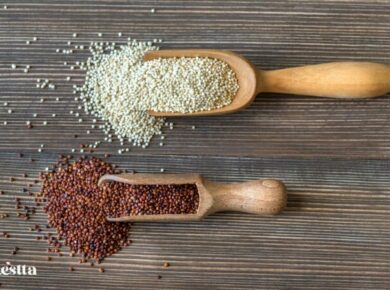
Yellow-colored vegetables are high in antioxidants, vitamins, and other health-promoting nutrients. Here are seven yellow vegetables that you should include in your diet to reap the health benefits.
1. Golden beets
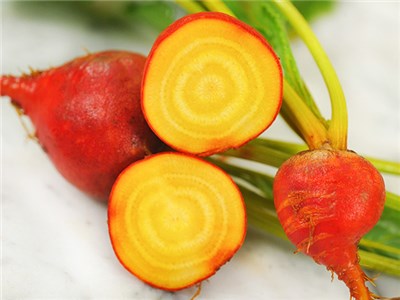
Golden beets, like many other yellow-colored fruits and vegetables, are high in beta-carotene. Beta-carotene is converted to vitamin A once it reaches the body. Vitamin A is a nutrient that helps to protect body cells from harm.
2. Corn

Phytochemicals can also be found in the little yellow beads of corn that line the cob. These phytochemicals can help cells stop and eliminate cancer-like changes by preventing carcinogens from infecting them.
3. Squash
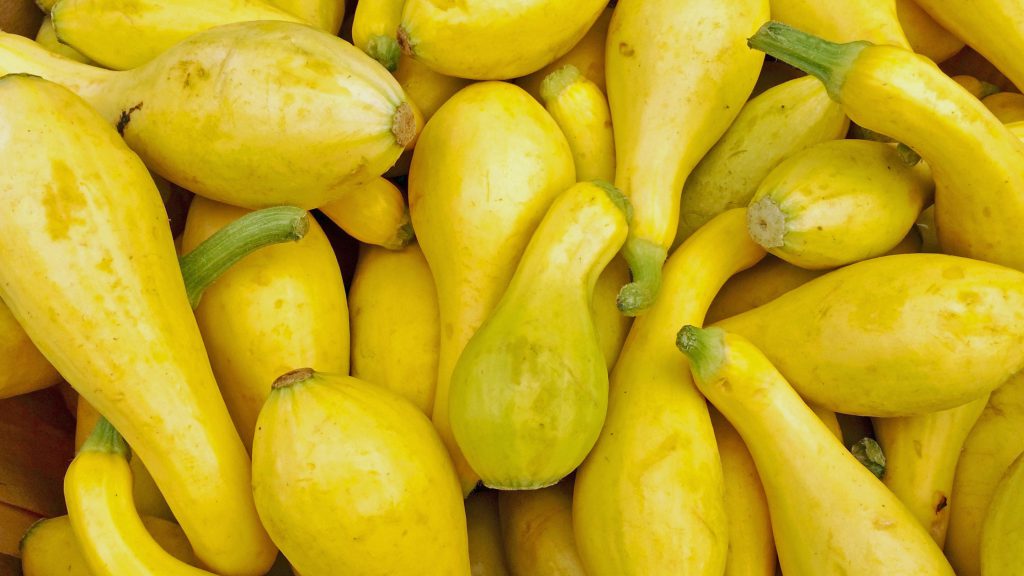
Yellow squash, also known as summer squash, has a long list of health benefits. Vitamins A, B6, and C, as well as folate, magnesium, fiber, riboflavin, phosphorus, and potassium, are abundant in the vegetable. That’s a seriously nutrient-dense vegetable.
Manganese is also abundant in yellow squash. This mineral aids the body’s ability to process fats and carbohydrates, as well as boosting bone strength.
4. Yellow peppers
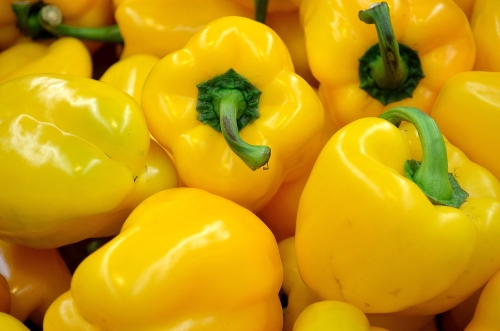
Bell peppers are high in vitamins, minerals, fiber, and antioxidants. They’re also high in folate. This is a substance that aids in the function of red blood cells. Yellow peppers also contain vitamin K, which is necessary for the body’s ability to clot blood. Vitamin C is abundant in bell peppers, and it aids immune function, energy, skin health, disease prevention, and wound healing.
5. Yellow beans
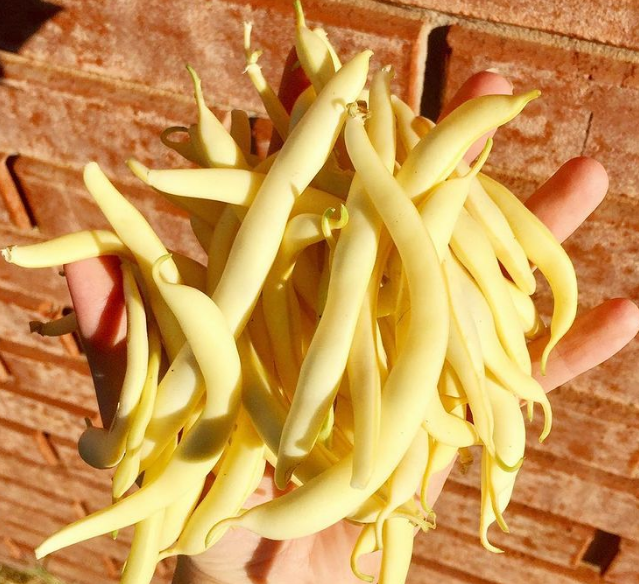
Isoflavones, for example, are cancer-fighting naturally occurring plant chemicals found in these legumes. They also contain phytosterols, which reduce blood cholesterol levels by blocking cholesterol absorption. Legumes have also been linked to a lower risk of cancer.
6. Yellow potatoes
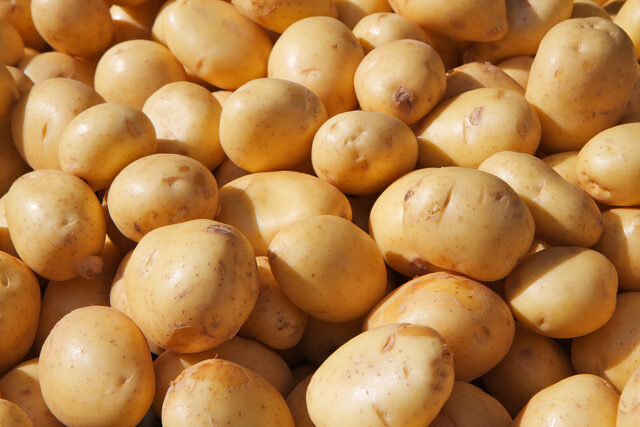
One of the best aspects of potatoes is how filling they are despite their low-calorie content. Niacin, pantothenic acid, vitamins C and B6, manganese, and phosphorus are among the nutrients found in them. Phosphorus is a mineral that is required by the human body. It is required in order to maintain the structure of cell membranes. It is also required for the production of energy and the mineralization of bones.
7. Pumpkin

A single cup of cooked pumpkin contains more than 200 percent of the daily vitamin A requirement. Vitamin A is beneficial to the human body because it aids in the maintenance of clear vision. That same cup of pumpkin has a lot of vitamin C which helps to boost your immune system and prevent colds, among other things.