Short answer: There is no single magic hour. The best time to drink water is spread across the day: a glass when you wake up, one before each meal, sips before, during and after exercise, and only small amounts in the last hour or two before bed. Steady sipping beats chugging a big bottle at once.
Most of us don’t forget water because we don’t care. We forget because nothing reminds us. Tying a glass of water to things you already do every day, like waking up, sitting down to eat or lacing up your shoes, is the easiest way to drink enough without tracking every ounce. Below are the times that work best, a sample daily schedule, and what the research says about drinking water before meals.
The 6 best times to drink water
1. Right after you wake up
 Save
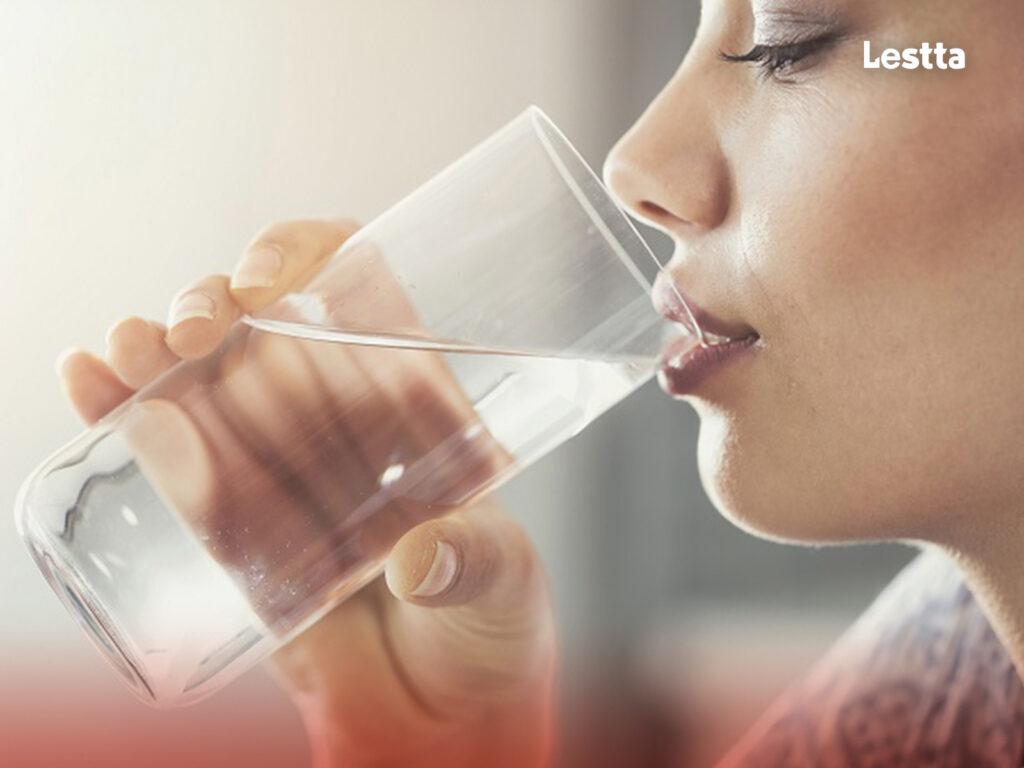
SaveYou go seven or eight hours without a drink while you sleep. A glass of water before coffee is a simple habit to stack onto your morning, and it means you start the day already ahead. There is nothing special about morning water compared with water at noon. The win is that it becomes automatic. If plain water feels boring first thing, a squeeze of lemon or a mug of warm water works too.
2. About 30 minutes before meals
 Save
SaveA glass before you eat gives you three built-in reminders a day. It can also help you feel a little fuller and helps you tell real hunger from thirst. This is the one timing habit with decent research behind it for appetite (more on that in the weight loss section below).
3. With meals, especially high-fiber ones
 Save
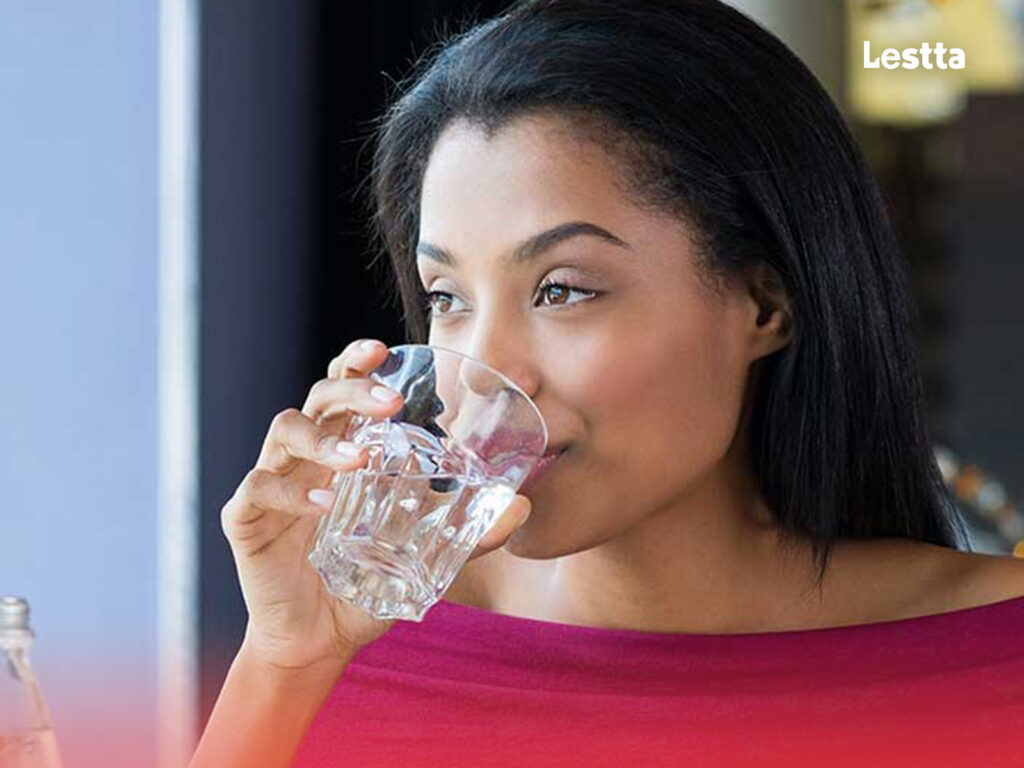
SaveDrinking water with food is fine for healthy people, and the CDC lists “serve water during meals” as one of its easy tips. It matters even more when you eat more fiber. If you are adding beans, oats, lentils or chia and flax seeds, drink more as you go, or you may feel bloated. Our high fiber meals guide covers how to add fiber gradually.
4. In the mid-afternoon slump
The 3 p.m. dip is when many people reach for a second coffee or a sugary drink. Try a full glass of water and a real snack first. Mild dehydration can leave you feeling tired and foggy, and water has no calories, which is why the CDC suggests choosing it over sugary drinks. Want bubbles? Plain sparkling water counts just the same.
5. Before, during and after exercise
 Save
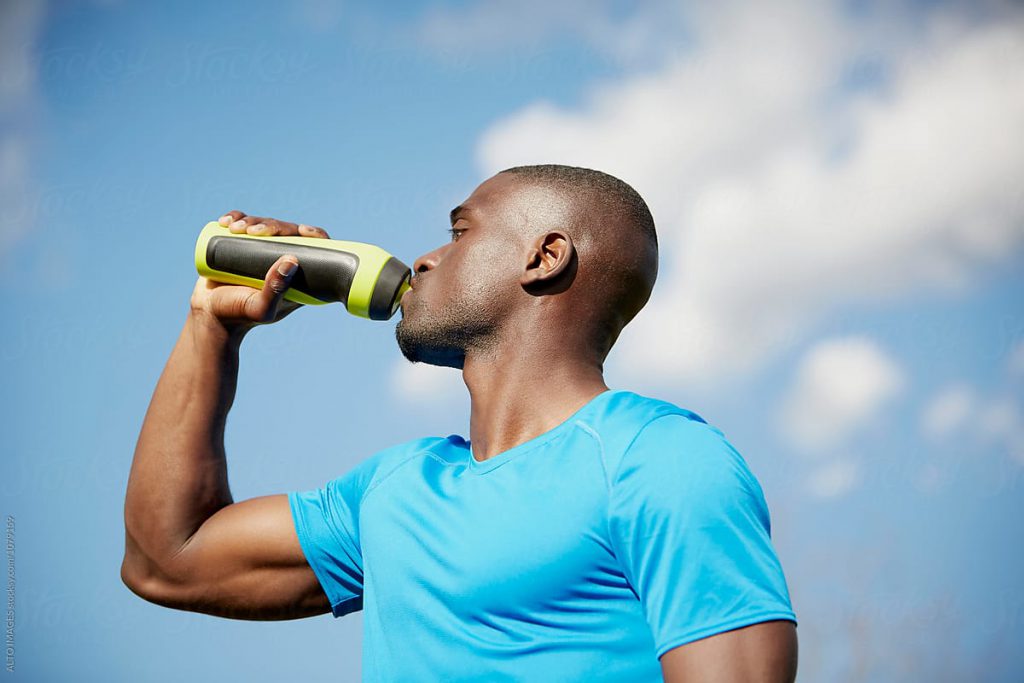
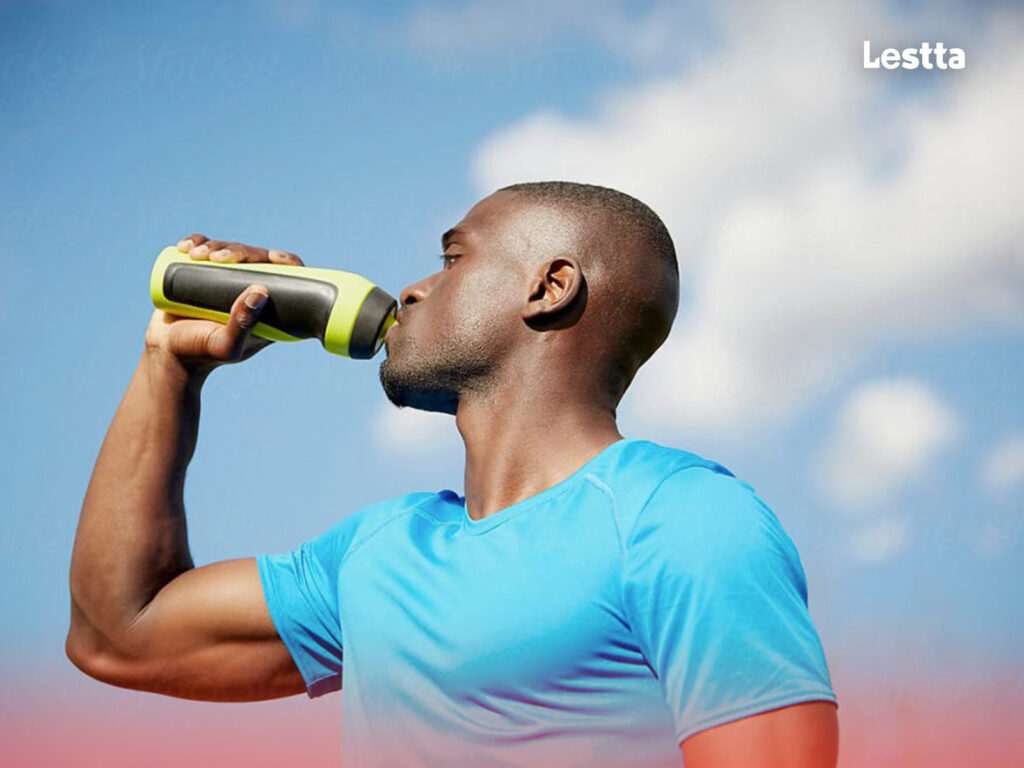
SaveMayo Clinic advises drinking extra water whenever you sweat, before, during and after a workout. Start already hydrated instead of chugging a big bottle right before you go, which can leave you feeling sloshy. Sip during longer sessions, then drink again afterward. On long or very sweaty workouts, especially in heat, an electrolyte drink can help replace what you lose in sweat.
6. Small sips in the evening
 Save
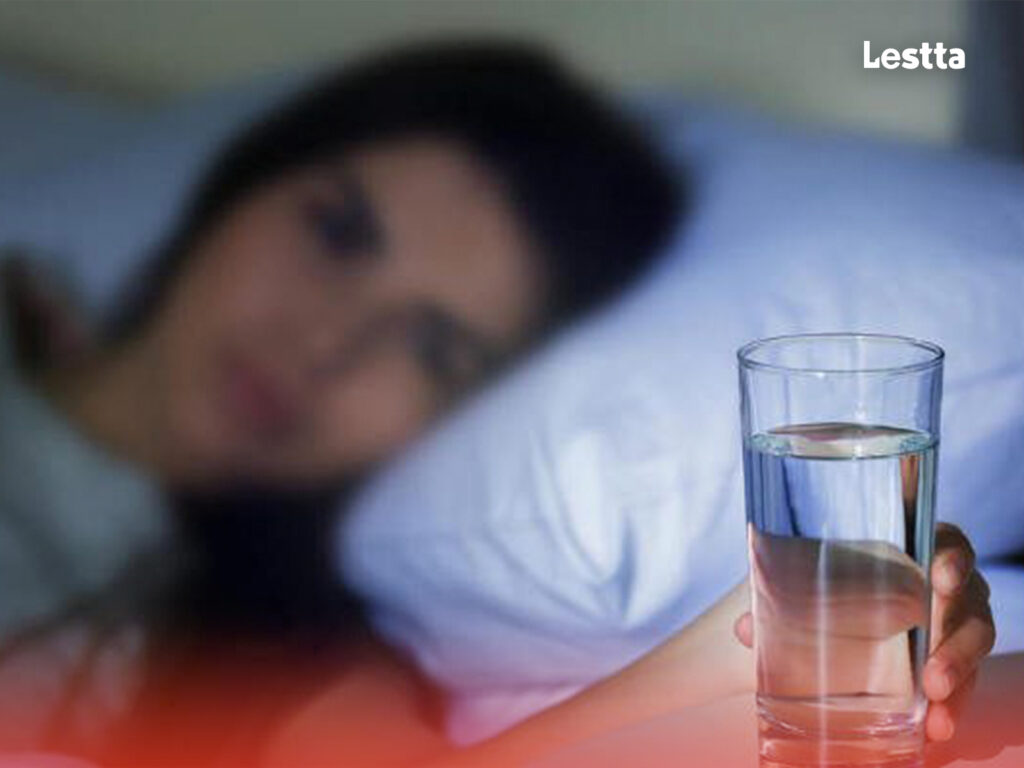
SaveDrink most of your water earlier in the day and taper off in the last hour or two before bed. Big glasses at bedtime usually mean a trip to the bathroom at 3 a.m. Keep a small glass on your nightstand for a dry mouth instead. If you train in the evening, pair your water with one of these bedtime snacks for athletes.
A simple daily water schedule
Here is one easy way to space your water through a typical day. A glass here means about 8 ounces (1 cup). Adjust the amounts to your size, activity and the weather.
| When | How much | Why it works |
|---|---|---|
| On waking (7 a.m.) | 1 glass | Easy habit to stack before coffee |
| Before breakfast | 1 glass | A built-in meal reminder |
| Mid-morning | 1 glass | Keeps you from falling behind |
| Before lunch | 1 glass | Helps you tell hunger from thirst |
| Afternoon slump (3 p.m.) | 1 to 2 glasses | Swap for a second coffee or soda |
| Around a workout | Sips before, during, after | Replaces sweat losses |
| Before dinner | 1 glass | Same pre-meal habit |
| Last hour before bed | A few sips | Fewer night bathroom trips |
Best time to drink water for weight loss
If weight loss is your goal, before meals is the time to focus on. In a 12-week study of 48 adults aged 55 to 75 who were on a reduced-calorie diet, the group that drank 500 ml (about 2 cups) of water before each meal lost about 2 kg (roughly 4.4 pounds) more than the group that followed the diet alone. Their weight loss was 44% greater.
 You’ll also loveCalcium-Rich Foods for Strong Bones (and the Nutrients That Help Them Work)
Two honest caveats: the study was small and in older adults, and the water worked alongside a calorie-controlled diet, not instead of one. The bigger, simpler win for most people is swapping sugary drinks for water, since water has no calories. For habits that help the rest of your plate, see how to stick to healthy eating.
How much water should you drink a day?
According to Mayo Clinic, studies suggest the average healthy adult gets enough with about 11.5 cups (2.7 liters) to 15.5 cups (3.7 liters) of total fluid a day. That total includes everything you drink, not just plain water, and food supplies about 20% of the water you need. Tea, coffee and milk all count.
You need more when you sweat, on hot or humid days, at high altitude, when you are sick with fever, vomiting or diarrhea, and during pregnancy or breastfeeding. The simplest check is your urine: colorless or light yellow means you are drinking enough, while dark urine is a sign to drink more.
Is there a bad time to drink water?
- Right before bed, in large amounts. It can break up your sleep with bathroom trips.
- All at once. Catching up on a whole day’s water in one sitting is uncomfortable, and very large amounts in a short time can upset your body’s sodium balance. Spread it out.
- Chugging right before a workout. Drink earlier and sip during instead.
If you have a heart or kidney condition, or your doctor has given you a fluid limit, follow their advice over any general schedule.
Easy ways to drink more water
- Carry a reusable bottle and refill it at the same times each day.
- Freeze water in freezer-safe bottles so you have cold water all day.
- Order water when you eat out, and put a pitcher on the table at home.
- Add a wedge of lemon or lime, a few cucumber slices or mint leaves.
- Eat water-rich foods like cucumbers, watermelon, oranges and soups.
- Prefer something warm? Unsweetened tea counts too.
FAQ
Is it better to drink water in the morning or at night?
Both are fine, but front-load your day. Drink more in the morning and afternoon and keep evening amounts small so you sleep through the night.
Should I drink water before or after meals?
Either works, and so does drinking during the meal. A glass about 30 minutes before eating is the most useful habit if you want to feel fuller.
Does coffee count toward my water intake?
Yes. Mayo Clinic says tea, coffee and milk help keep you hydrated and count toward your daily fluids. Water is still the best everyday choice because it has no calories or added sugar.
How do I know if I’m drinking enough water?
Check your urine color. Pale or light yellow means you are on track. Dark urine, dry mouth and feeling thirsty are signs to drink more.
Is it bad to drink water right before bed?
A few sips are fine. A big glass right before bed often means waking up to use the bathroom, so drink most of your water earlier.
 You’ll also loveSaturated vs Unsaturated Fats: What’s the Difference and Which to Eat
Sources: Mayo Clinic, Water: How much should you drink every day?; CDC, About Water and Healthier Drinks; Dennis et al., Water consumption increases weight loss during a hypocaloric diet intervention in middle-aged and older adults (Obesity, 2010).