Some invasive weeds are making their way onto dinner tables and even restaurant menus. These 10 invasive weeds will definitely surprise you! And can actually taste pretty good.
1. Field Garlic
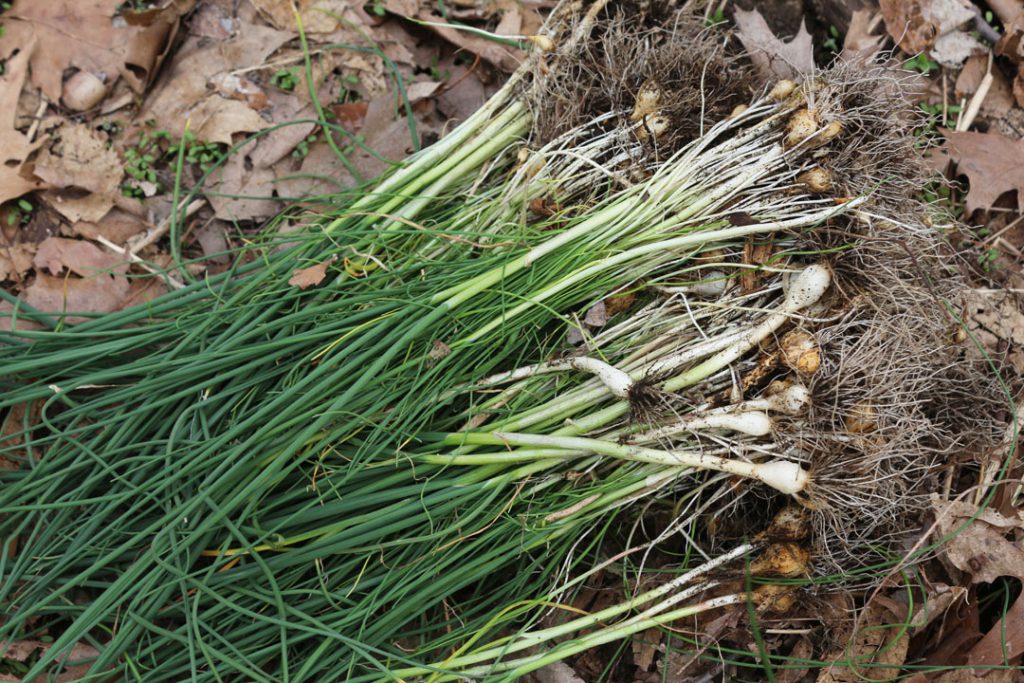
If you’ve never foraged field garlic, you’re really missing out. They’re a great deal, and the bulbs and leaves are long lasting. These tiny wild onions are delectable in a variety of ways.
2. Autumn Olive
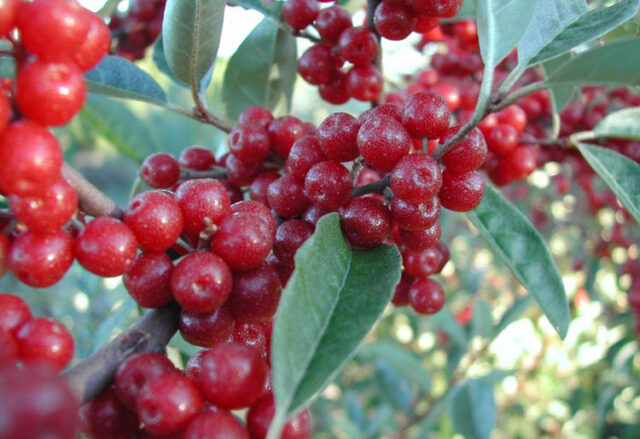
Farmers use autumn olives in a variety of ways. The lycopene in them helps to distinguish jams, and their tart flavors can really bring out the flavor in delicious sauces.
They have a tart flavor similar to red currents and are ideal for making fruit leathers.
3. Burdock
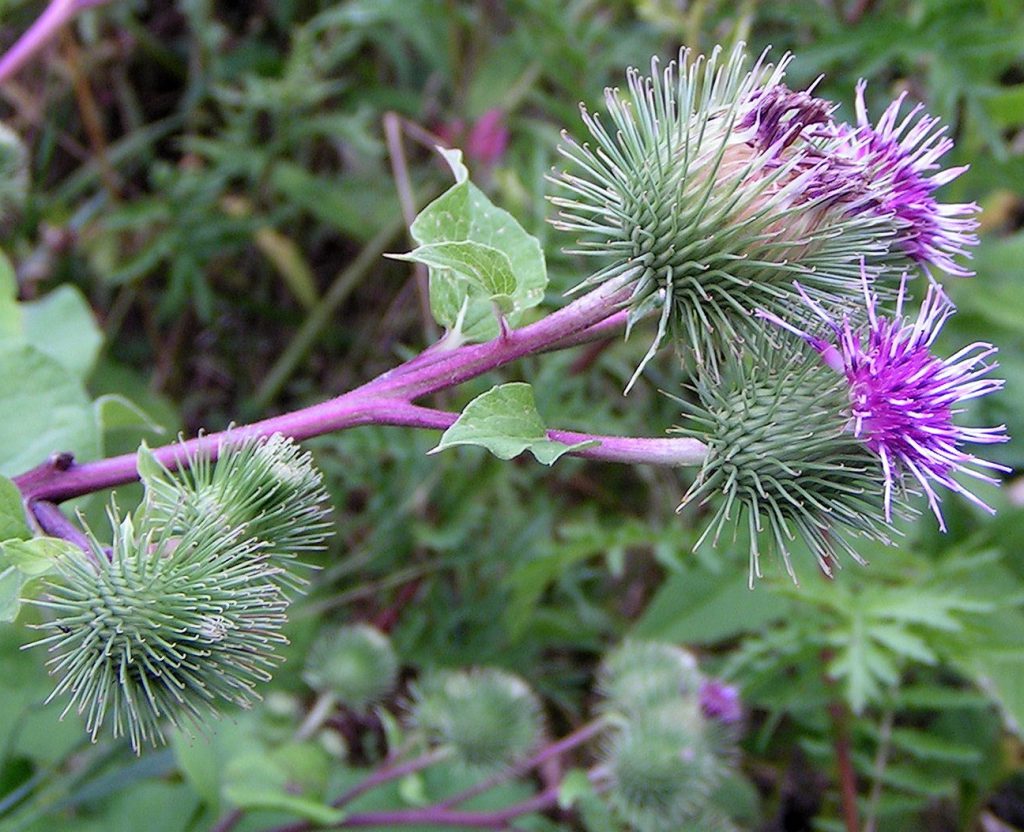
Farmers are also popularising peeled burdock stems, which are crispy treats that are perfect for dipping in hummus or braising.
The cold-season taproot, also known as gobo, is a filling and starchy vegetable that you’ll love. Burdock is excellent for slow, moist cooking, and its flavor will astound you.
4. Chickweed
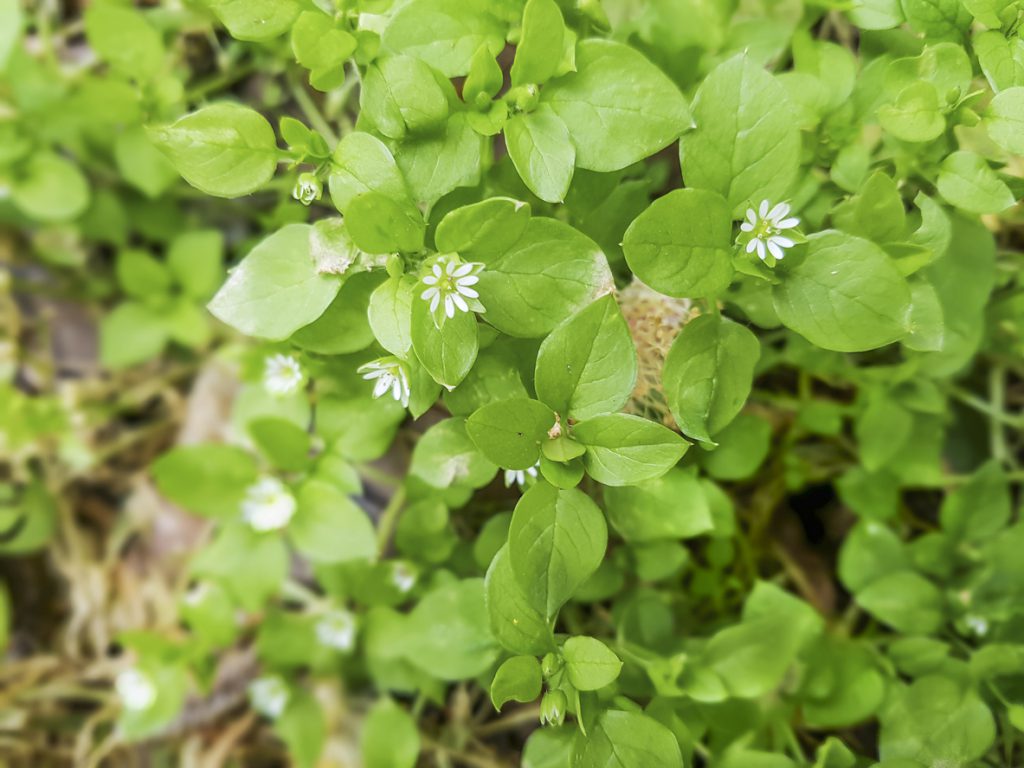
The best way to enjoy spring chickweed is to eat it raw. They’re perfect fillers for summer rolls and make an excellent bed for cooked seafood, with tender roots, flowers, and leaves.
Chickweed has a taste that is like nutty corn-silk.
5. Wild Dandelions
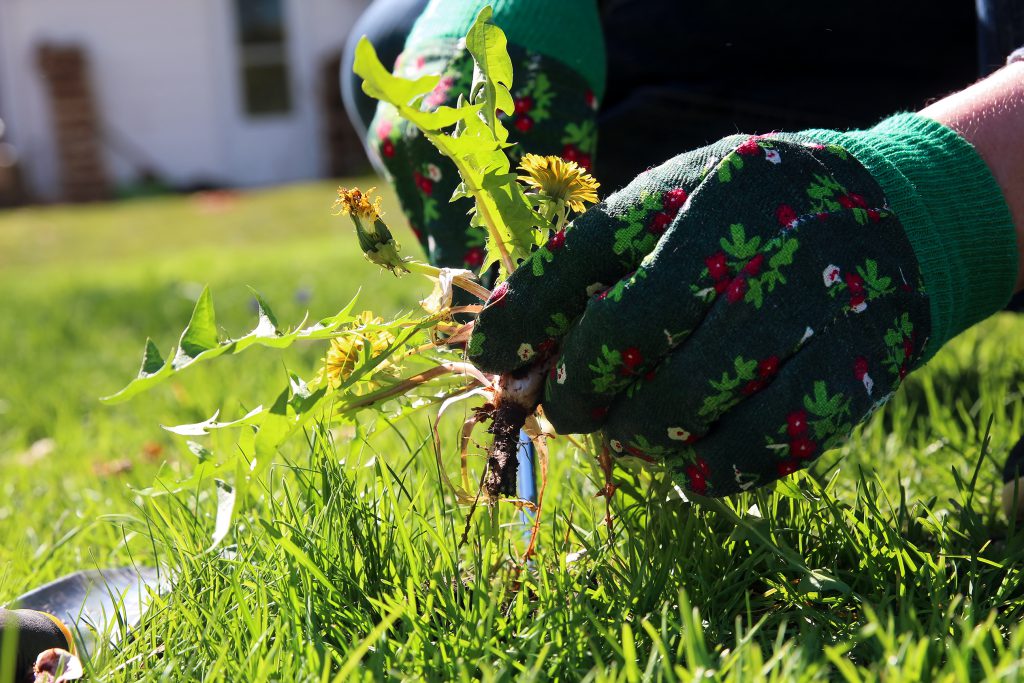
Dandelions made edible weeds possible. In the late winter, they have crisp rosettes, in the spring, they have mellow leaves and succulent stalks, and in the summer, they have bold flavors.
They are beautiful in the growing season because of the way they change with the seasons.
6. Garlic Mustard
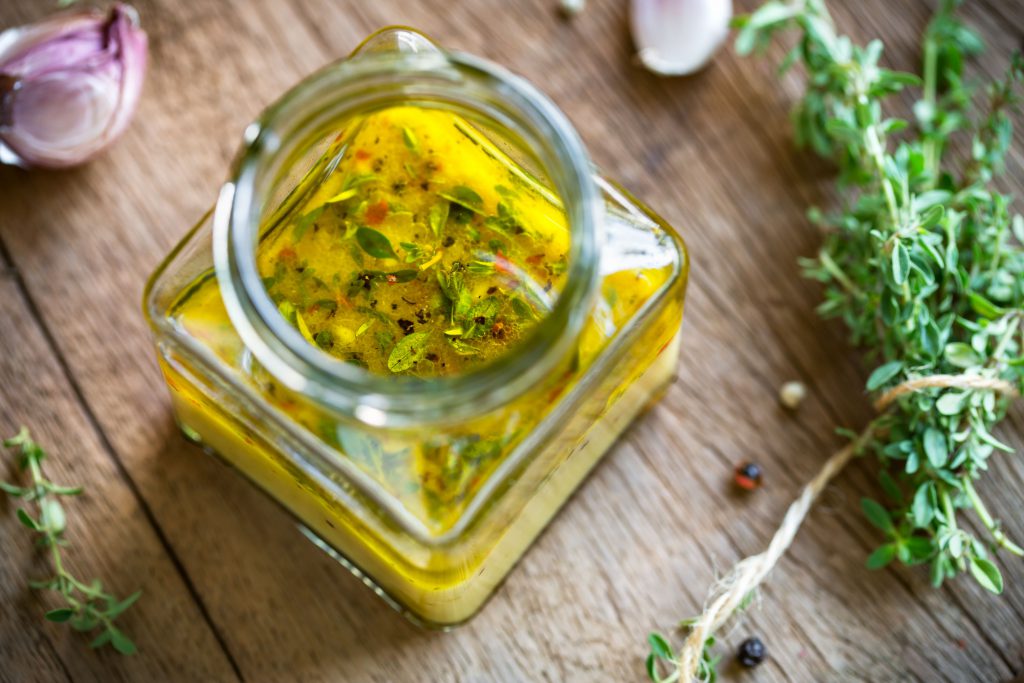
Garlic mustard is a serious threat; it’s totally edible, and the second-year roots have a horseradish flavor.
You must act quickly since they have a limited window of readiness and you do not want to miss out. This tasty herb tastes like a cross between broccoli rate, mustard, and garlic.
7. Japanese Knotweed
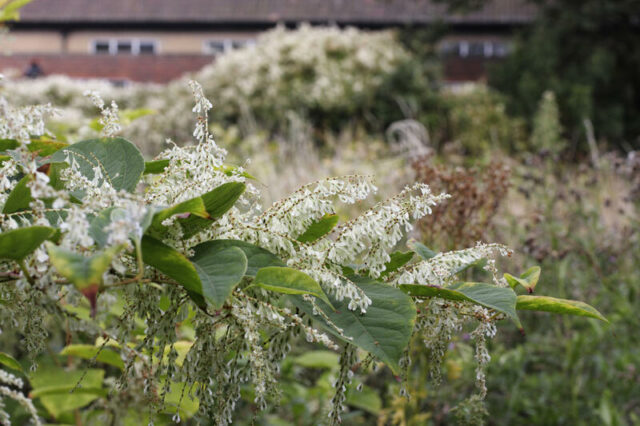
This invasive weed is shockingly tasty, and its flavor is making it increasingly popular in local markets. While the shoots resemble asparagus, the flavor and growth characteristics are more akin to rhubarb combined with fresh sorrel.
We can eat Japanese knotweed raw or fried, and it’s perfect for adding a sour note to whatever you’re cooking.
8. Mugwort
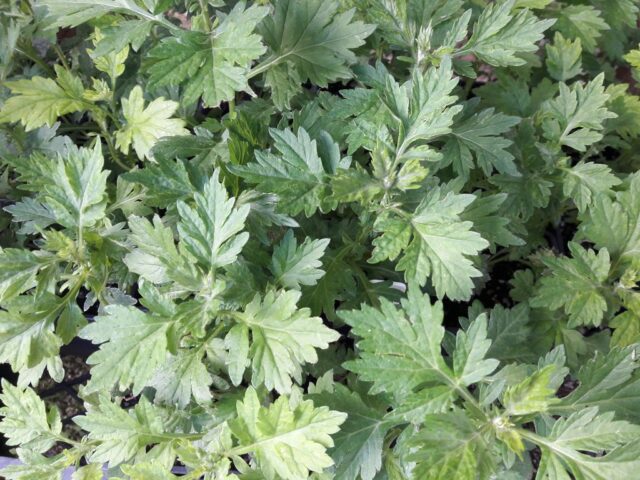
Mugworts leaves have a sage-like smell to them, and the weed is very versatile in the kitchen. From its first shoots to its winter stalks, this amazing herb is making a serious comeback.
9. Pokeweed
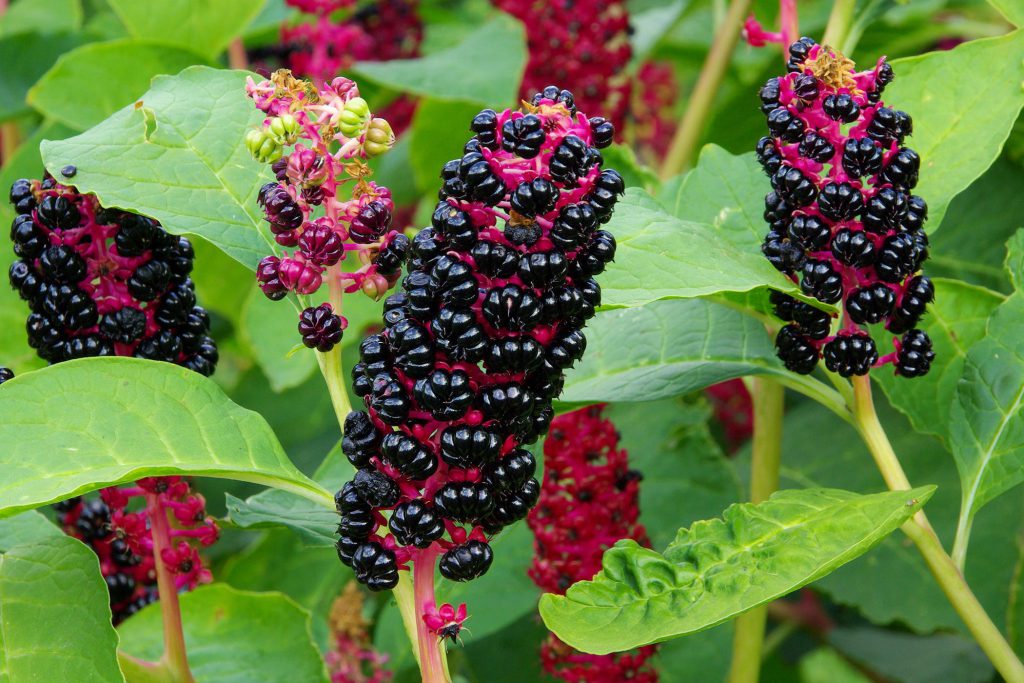
We know pokeweed as poke sallet in the south, and Native Americans once ate it. Pokeweed can be a delicious spring vegetable after blanching in boiling water. Just make sure you don’t eat it raw; it’s poisonous unless it’s thoroughly cooked.
10. Winter cress
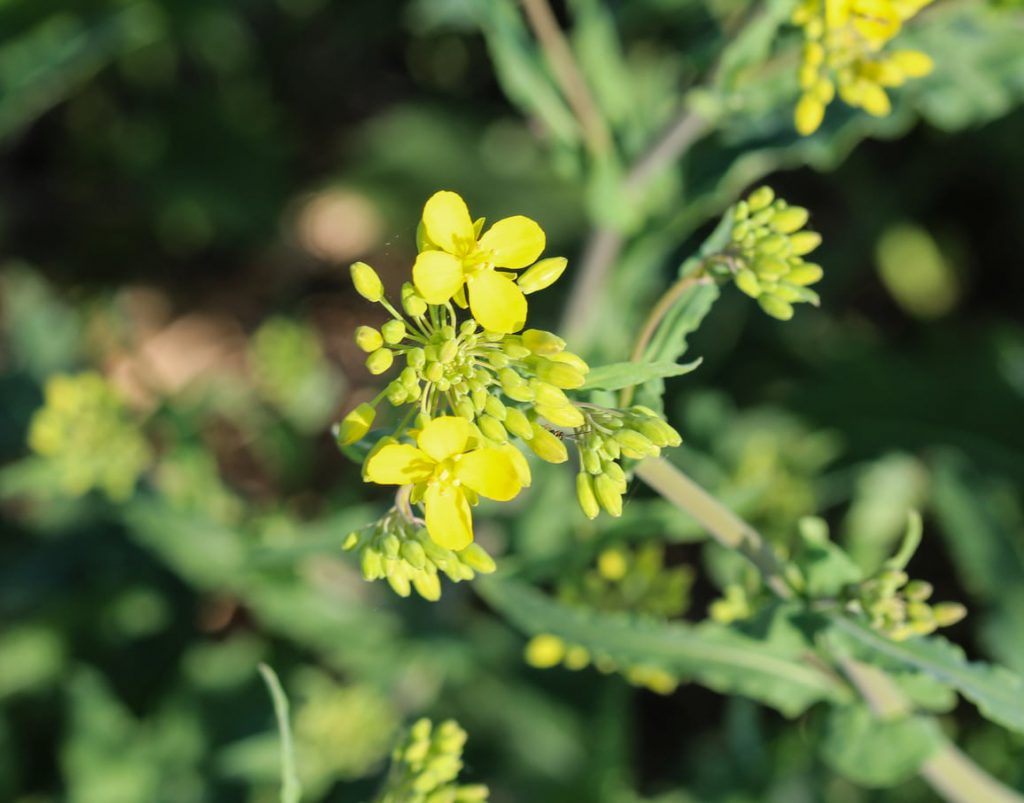
Winter cress is a watercress substitute with a leafy heat similar to wild arugula. Its stems have acid yellow flowers that look like baby broccoli and are an essential springtime ingredient if you wait until later in the spring.