Most people don’t need a new diet. They need dinner to be less of a fight on a Tuesday night. These healthy cooking tips are the small habits that make home meals easier to pull off, so the healthy choice is also the easy one.
None of them need special equipment or expensive ingredients. Pick two or three to start and add more once they feel normal.
1. Keep a short list of staples stocked
 Save
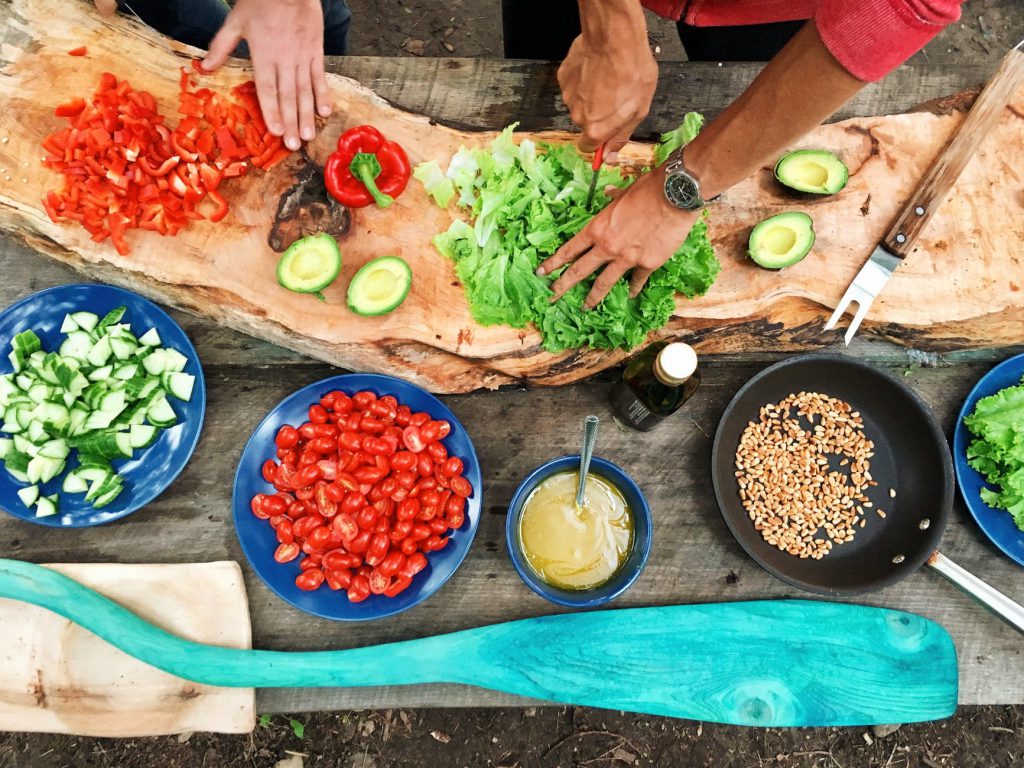
SaveWhen the pantry is empty, takeout wins. A short list of staples means you can always put together something decent: oats, brown rice or quinoa, whole wheat pasta, canned beans and lentils, canned tomatoes, olive oil, eggs, onions, garlic, and a few spices you actually use. Restock them before they run out, not after.
2. Plan loosely, not perfectly
 Save
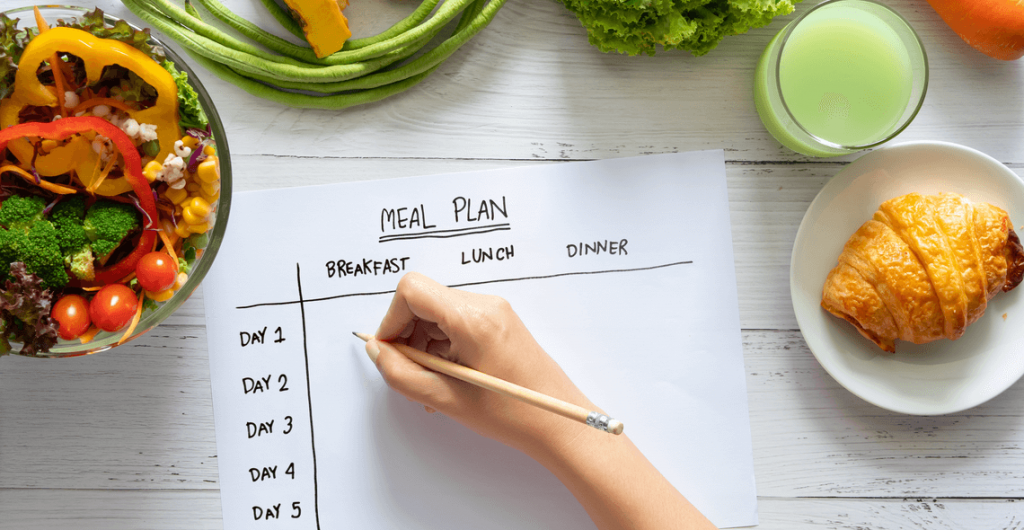
SaveA meal plan doesn’t have to be a color-coded spreadsheet. Write down three or four dinners for the week and shop for those. Leave the other nights open for leftovers or something quick. A loose plan is one you’ll actually follow.
3. Cook once, eat twice
 Save
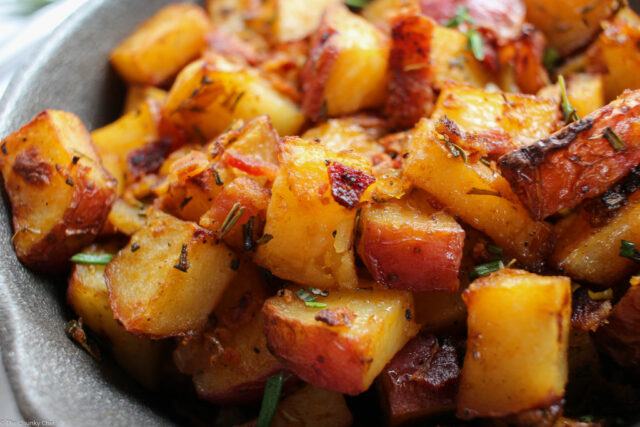
SaveMake a double batch of anything that reheats well: chili, soup, roasted vegetables, a pot of grains. Tomorrow’s lunch is done before you’ve cleaned the stove. Our easy meal prep tips for busy days go deeper on this.
4. Use canned beans without guilt
 Save
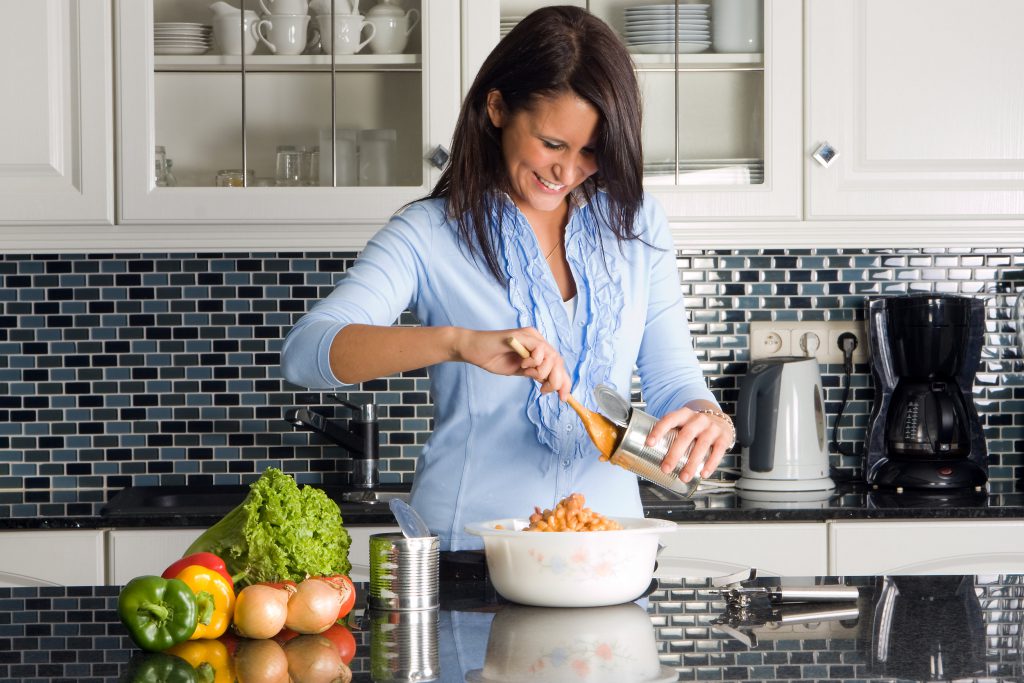
SaveCanned beans are cooked, cheap, and full of fiber and plant protein. Rinse them in a colander to wash off some of the sodium, then toss them into salads, soups, tacos, or pasta. Look for “no salt added” or “low sodium” labels when you can.
5. Keep frozen vegetables in the freezer
 Save
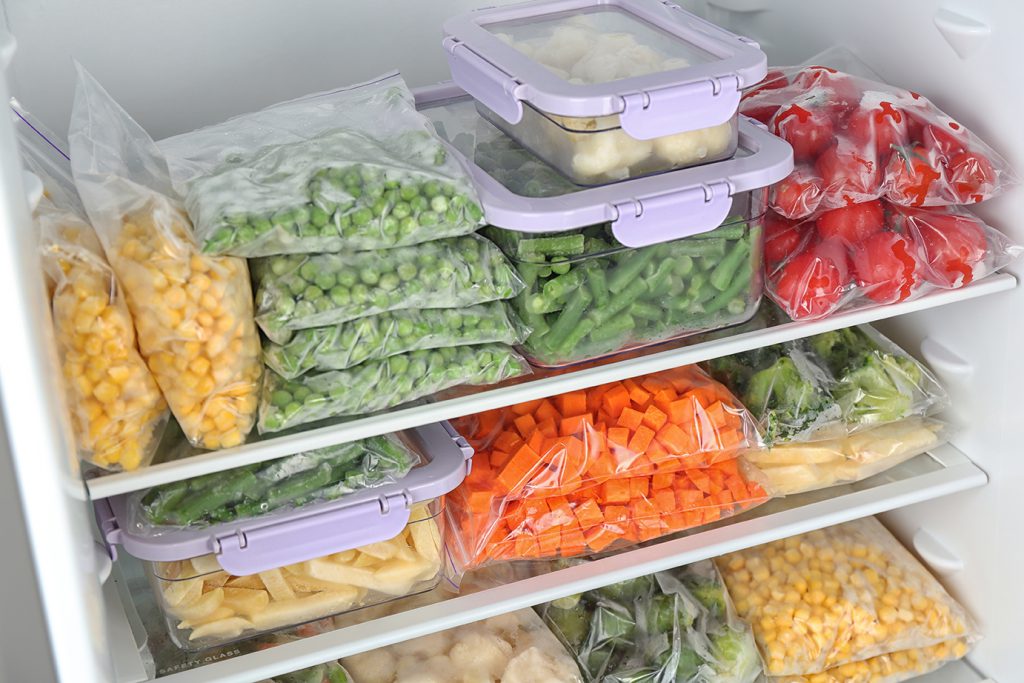
SaveFrozen vegetables are picked and frozen quickly, so they hold up well nutritionally, and they never go limp in the crisper drawer. Broccoli, spinach, peas, and stir-fry mixes can go straight into a pan, a soup, or an omelet. Choose plain bags without added sauces.
6. Build the plate before you pick the recipe
A simple rule works better than a perfect recipe: fill about half the plate with vegetables, a quarter with protein, and a quarter with whole grains or starchy foods. Add a little healthy fat. That shape works for a stir-fry, a grain bowl, a sheet pan dinner, or a sandwich.
7. Have a fast protein ready
 Save
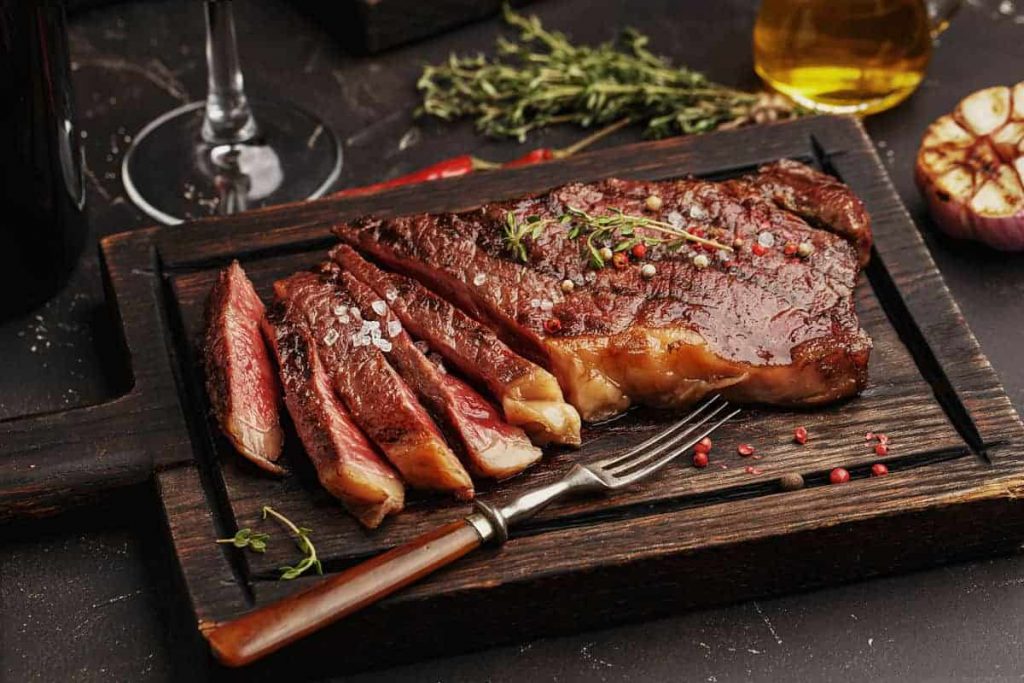
SaveThe slowest part of dinner is often the protein. Keep a few quick options around: eggs, canned tuna or salmon, Greek yogurt, tofu, a rotisserie chicken, or cooked lentils. For more ideas, see our list of high protein, low fat foods.
8. Cook with olive oil, measure the pour
Swapping butter for olive oil or another plant oil shifts your cooking toward unsaturated fats. Oil is still calorie-dense, though, so pour it into a spoon instead of straight from the bottle. Here’s a plain-English guide to saturated vs unsaturated fats.
9. Season with more than salt
Lemon juice, vinegar, garlic, fresh herbs, chili flakes, cumin, and smoked paprika add a lot of flavor without much sodium. Taste the food first, then decide if it needs salt. You’ll often find it needs acid more.
10. Sprinkle on seeds and nuts
 Save
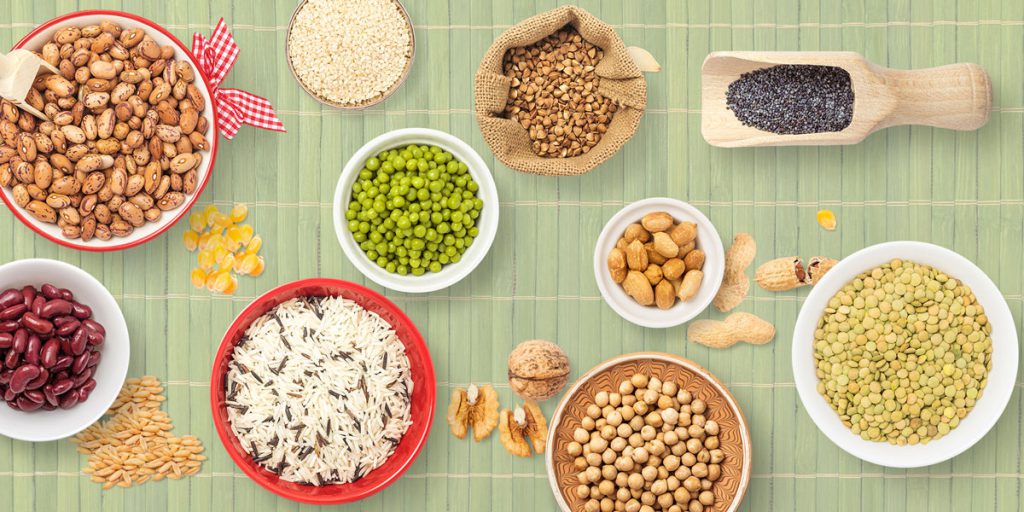
SaveA spoonful of chia, ground flax, pumpkin seeds, or chopped walnuts adds fiber, healthy fats, and crunch to oatmeal, salads, and yogurt. Store them in a jar on the counter so you remember to use them. Read more about seeds that are worth adding.
11. Keep weeknight meals simple
Save the five-step recipes for the weekend. On weeknights, aim for meals with a handful of ingredients and one pan. One pan recipes and 10 minute lunches are good places to start.
12. Put water on the table
A pitcher of water with lemon or cucumber on the table makes it the default drink. If you miss the fizz of soda, plain sparkling water is an easy swap.
Where to start
Don’t try all twelve this week. Stock the staples, plan three dinners, and cook one double batch. Once those feel automatic, add the next habit. Small changes you keep beat big ones you drop.
 You’ll also loveFoods for Strong Nails: What to Eat Every Week