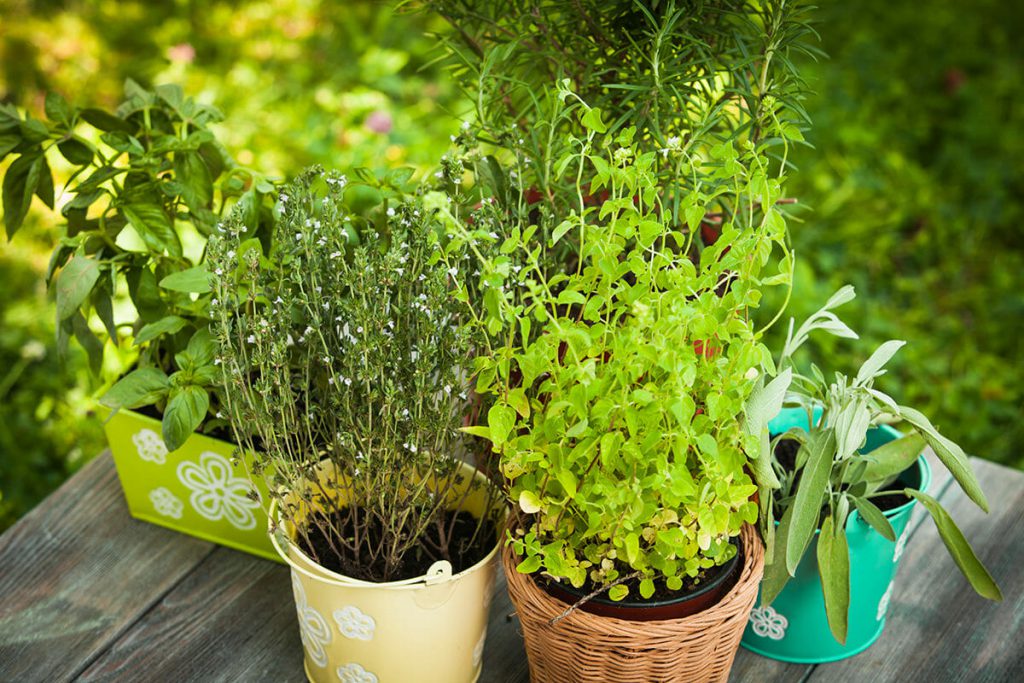
Fresh herbs are the cheapest way to make simple, healthy food taste like it came from a restaurant. They add big flavor without extra salt, sugar, or fat. And a few of them are so easy to grow that even a sunny windowsill will do.
These are five of the easiest herbs to grow for cooking, with quick growing notes and the dishes each one does best in.
The 5 herbs at a glance
| Herb | Flavor | Best in | Add it |
|---|---|---|---|
| Mint | Cool, sweet | Water, salads, yogurt dips | Raw, at the end |
| Basil | Sweet, peppery | Tomatoes, pasta, pesto | At the end |
| Oregano | Earthy, bold | Pizza, roasted vegetables, beans | During cooking |
| Rosemary | Piney, strong | Roast potatoes, chicken, bread | Early, whole sprigs |
| Dill | Fresh, grassy | Potatoes, fish, yogurt sauces | Raw or at the end |
1. Mint
 Save
Growing: Mint is almost impossible to kill. In fact, the problem is the opposite: it spreads fast and can take over a garden bed. Grow it in its own pot, keep the soil moist, and pinch off the tops often to keep it bushy.
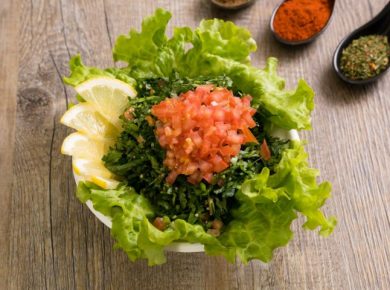
Cooking: Drop a few sprigs into a pitcher of water with lemon, tear it into fruit salad, or stir it into Greek yogurt with cucumber for a quick dip. It also brightens grain salads like tabbouleh.
2. Basil
 Save
Growing: Basil loves warmth and sun. Here’s an easy trick: buy a bunch at the store, put a few stems in a glass of water, and they’ll usually grow roots within a week or two. Then plant them in a pot. Pinch off flower buds as they appear so the plant keeps making leaves.
 You’ll also loveHealthy Breakfast Recipes: Make-Ahead Ideas With Calories and Protein
Cooking: Basil is delicate, so add it at the end. Tear it over sliced tomatoes, toss it into pasta, scatter it on homemade pizza, or blend it into pesto.
3. Oregano
 Save
Growing: Oregano is a hardy perennial that comes back year after year in many climates. It likes full sun and doesn’t need much water, so it’s a good pick if you tend to forget your plants.
Cooking: Unlike basil, oregano holds up to heat. Add fresh leaves to tomato sauce, roasted vegetables, mushrooms, or a pot of beans. Dried oregano is stronger than fresh, so use less of it.
4. Rosemary
Growing: Rosemary is a woody shrub that wants lots of sun and soil that drains well. Overwatering is the most common way people kill it, so let the soil dry out between waterings.
Cooking: Rosemary is strong, so a little goes far. Tuck whole sprigs into a sheet pan of potatoes or chicken and pull them out before serving. Finely chopped, it’s great in bread dough or mixed into olive oil for dipping.
5. Dill
Growing: Dill grows best from seed sown right where you want it, since it doesn’t like being moved. Give it sun and steady water. It grows tall, so put it at the back of a bed or in a deep pot.
Cooking: Dill loses flavor when cooked, so add it raw or at the very end. Toss it with boiled potatoes and olive oil, stir it into yogurt for a sauce, or scatter it over salmon or a bowl of soup.
How to keep fresh herbs longer
- Soft herbs (basil, mint, dill): trim the stems and stand them in a glass of water. Keep basil on the counter, and cover mint and dill loosely and keep them in the fridge.
- Woody herbs (rosemary, oregano): wrap them in a slightly damp paper towel and keep them in the fridge.
- Too much at once? Chop the herbs, cover them with olive oil in an ice cube tray, and freeze. Drop a cube into a pan when you cook.
Want to put them to work? Try them in our easy one pan recipes or with these healthy cooking tips.
 You’ll also loveHigh Protein Recipes: 9 Meals With 20 g+ Protein, Ranked by Protein per Calorie