Every cold and flu season, “immune-boosting” products fly off the shelves. The honest truth is less exciting but more useful: no single food or supplement supercharges your immune system. What does help is not being short on the nutrients your immune cells need, and keeping a few basic habits.
 Save
Key Nutrients and Where to Find Them
| Nutrient | Role | Good food sources |
|---|---|---|
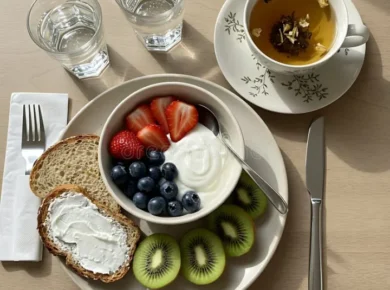
| Vitamin C | Supports immune cell function | Red peppers, oranges, kiwi, strawberries, broccoli |
| Zinc | Needed to develop and activate immune cells | Oysters, beef, chicken, beans, pumpkin seeds, yogurt |
| Vitamin D | Helps regulate immune responses | Salmon, trout, fortified milk and plant milks, egg yolks |
| Protein | Antibodies and immune cells are built from protein | Fish, poultry, eggs, dairy, beans, lentils, tofu |
| Vitamin A | Keeps skin and mucous membranes (your first barrier) healthy | Sweet potatoes, carrots, spinach, pumpkin |
| Fiber and fermented foods | Feed the gut microbes that interact with the immune system | Whole grains, beans, vegetables, yogurt, kefir |
An Immune-Friendly Grocery List
- Produce: red bell peppers, citrus, kiwi, broccoli, spinach, sweet potatoes, garlic, ginger.
- Protein: salmon, eggs, chicken, lean beef, canned beans, lentils.
- Dairy or alternatives: plain yogurt or kefir, fortified milk or soymilk.
- Pantry: oats, brown rice, pumpkin seeds, almonds, olive oil.
For simple ways to combine these, try a pot of chicken and vegetable soup from our healthy soup recipes, or read about fermented foods for gut health.
Habits That Matter as Much as Food
Sleep
 Save
Adults need at least 7 hours a night. Short sleep is linked to getting sick more easily.
Regular movement
 Save
Moderate exercise most days supports overall health, including immune health. You do not need extreme workouts.
Stress and hydration
Long-term stress can wear down your defenses, so find a stress outlet that works for you. Drink enough fluids too; water and warm drinks like ginger tea both count.
The basics
Wash your hands, stay up to date on recommended vaccines, do not smoke, and keep alcohol moderate. These have far more proven impact than any single “superfood.”
What About Supplements?
If you eat a varied diet, you probably do not need immune supplements. Some people do benefit from specific ones (for example, vitamin D if levels are low), but more is not better; zinc and vitamin A in particular can be harmful in high doses. Ask your doctor before starting any supplement.