It’s 6:30 on a Tuesday, you’re hungry, and the fridge holds a bag of broccoli, half an onion and a few cans in the pantry. That’s enough for a high fiber dinner, and you don’t need a special shopping trip to pull it off. Every recipe below lands at 12 grams of fiber or more per plate, using beans, chickpeas, whole-wheat pasta, barley, quinoa and plenty of vegetables.
Fiber is having a moment. “Fibermaxxing,” the social media push to add fiber-rich foods to every meal, turned a nutrient most people ignored into one of 2026’s big food trends. A registered dietitian at HopeHealth notes that the average American eats 10-15 grams a day, while 25-35 grams is the usual recommendation. My take: the trend is worth following, minus the “max” part. You don’t need powders or 60-gram days. You need dinners like these, where beans and whole grains do the work quietly.
High Fiber Dinner Ideas at a Glance
All six recipes serve 4. Numbers are per serving, calculated from USDA FoodData Central values for the exact amounts listed.
| Recipe | Fiber | Protein | Calories | Time |
|---|---|---|---|---|
| Turkey, Black Bean and Sweet Potato Skillet | 12.7 g | 31 g | 420 | 30 min |
| Whole-Wheat Pasta With White Beans and Broccoli | 14.5 g | 23 g | 475 | 25 min |
| Sheet Pan Chicken With Chickpeas and Broccoli | 12.5 g | 46 g | 478 | 35 min |
| Kale, White Bean and Barley Soup | 14.4 g | 15.5 g | 346 | 35 min |
| Black Bean and Quinoa Stuffed Sweet Potatoes | 16.6 g | 13.6 g | 399 | 50 min |
| Sesame Chickpea and Quinoa Stir-Fry | 16.5 g | 20 g | 445 | 20 min |
For context, the FDA’s Daily Value for dietary fiber is 28 grams, so any of these dinners covers roughly half of it.
6 High Fiber Dinner Recipes for Busy Weeknights
1. Turkey, Black Bean and Sweet Potato Skillet
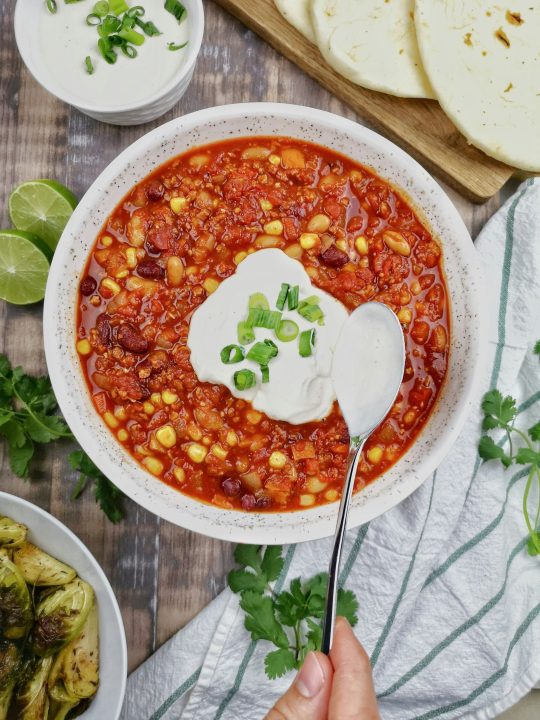
This is the one I’d hand to someone who says high fiber food tastes like cardboard. It eats like a deconstructed chili, with sweet potato cubes that caramelize at the edges. Per serving: 12.7 g fiber, 31 g protein, 420 calories.
- 1 tbsp olive oil
- 1 lb (454 g) 93% lean ground turkey
- 2 medium sweet potatoes (400 g), cut into 1/2-inch cubes
- 1 onion (150 g), diced
- 1 red bell pepper (150 g), diced
- Two 15-oz cans black beans, drained and rinsed (about 480 g)
- 2 tsp chili powder, 1 tsp cumin, salt, lime and cilantro to finish
Method: Heat the oil in a large skillet, add the sweet potato with a splash of water, cover and cook 8 minutes. Push it aside, brown the turkey with the onion and pepper, then stir in the spices and beans. Cook 5 more minutes until the sweet potato is tender. Finish with lime juice and cilantro.
2. Whole-Wheat Pasta With White Beans and Broccoli
Whole-wheat pasta alone gives you some fiber. Add white beans and a full pound of broccoli and you’re at 14.5 grams without it feeling like a health food. Per serving: 14.5 g fiber, 23 g protein, 475 calories.
- 4 cups cooked whole-wheat penne (about 560 g)
- 2 1/2 cups cooked white beans or cannellini, drained (400 g)
- 1 lb broccoli florets (450 g)
- 2 tbsp olive oil, 3 garlic cloves, sliced
- 1/3 cup grated Parmesan (30 g), lemon zest, red pepper flakes
Method: Drop the broccoli into the pasta water for the last 3 minutes of cooking, then drain, saving a cup of the water. Warm the oil and garlic in the pot, add the beans and mash a few against the side. Toss in the pasta, broccoli, Parmesan and enough pasta water to make it glossy. Finish with lemon zest and pepper flakes.
3. Sheet Pan Chicken With Chickpeas and Broccoli
The highest-protein option here and the easiest cleanup. The chickpeas crisp up in the chicken juices, which is the best part. If you like them extra crunchy, borrow the drying trick from our oven roasted chickpeas recipe. Per serving: 12.5 g fiber, 46 g protein, 478 calories.
 You’ll also loveMediterranean Quinoa Salad That Stays Crisp for 4 Days
- 1 1/4 lb (567 g) boneless, skinless chicken breast, cut into chunks
- Two 15-oz cans chickpeas, drained and patted dry (about 480 g)
- 1 lb broccoli florets (450 g)
- 1 red onion (150 g), cut into wedges
- 2 tbsp olive oil, 2 tsp smoked paprika, 1 tsp cumin, salt, lemon
Method: Heat the oven to 425°F. Toss everything with the oil and spices on one large sheet pan (use two if crowded). Roast 22-25 minutes, stirring once, until the chicken reaches 165°F inside. Squeeze lemon over the top.
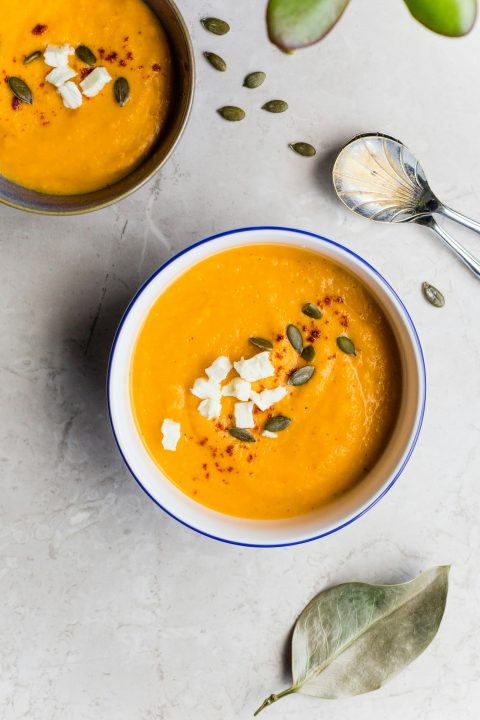
4. Kale, White Bean and Barley Soup
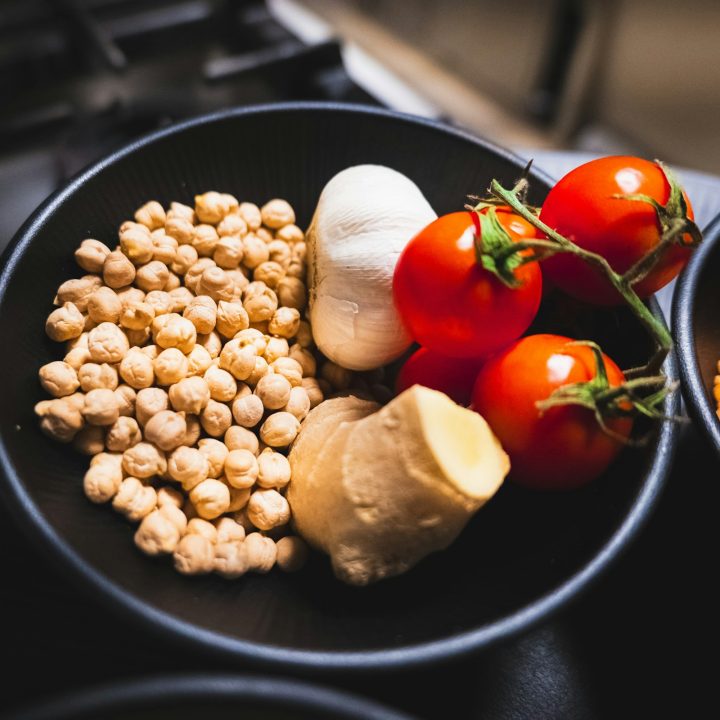
Barley is the underrated grain of the fiber world: chewy, cheap and great in soup. This one thickens as it sits, so the leftovers are almost stew-like. Per serving: 14.4 g fiber, 15.5 g protein, 346 calories (calculated with water; broth adds a little depending on the brand).
- 1 tbsp olive oil
- 1 onion (150 g) and 3 carrots (240 g), diced
- 6 cups low-sodium vegetable broth or water
- Two 15-oz cans white beans, drained (about 480 g)
- 2 cups cooked pearled barley (314 g)
- 5 oz chopped kale (150 g), 2 garlic cloves, thyme, salt and pepper
Method: Soften the onion and carrots in the oil for 6 minutes, add the garlic and thyme, then the broth and beans. Simmer 15 minutes. Stir in the barley and kale and cook 5 minutes more, until the kale wilts. Season well; beans and barley need more salt than you’d think.
5. Black Bean and Quinoa Stuffed Sweet Potatoes
The fiber winner, and a meatless one. Bake the potatoes on Sunday and this becomes a 10-minute dinner later in the week. Protein is lower here, so add a fried egg or a spoon of Greek yogurt if you want more staying power. Per serving: 16.6 g fiber, 13.6 g protein, 399 calories.
- 4 medium sweet potatoes (about 800 g)
- Two 15-oz cans black beans, drained (about 480 g)
- 1 cup cooked quinoa (185 g)
- 1 cup corn kernels (150 g)
- 1 tbsp olive oil, 1 tsp cumin, lime, salsa and cilantro to serve
Method: Prick the potatoes and bake at 400°F for 45-50 minutes until soft (or microwave 10-12 minutes). Meanwhile, warm the beans, quinoa and corn with the oil, cumin and a squeeze of lime. Split the potatoes, fluff the insides and pile the filling on top with salsa.
6. Sesame Chickpea and Quinoa Stir-Fry
Twenty minutes if you have cooked quinoa ready. Chickpeas stand in for the usual tofu or chicken and soak up the soy-sesame sauce. Per serving: 16.5 g fiber, 20 g protein, 445 calories.
- 3 cups cooked quinoa (555 g)
- Two 15-oz cans chickpeas, drained (about 480 g)
- 10 oz broccoli florets (300 g), 1 red bell pepper (150 g), 1 carrot (120 g), sliced thin
- 3 tbsp soy sauce (45 g), 1 tbsp toasted sesame oil
- 2 garlic cloves and 1 tbsp fresh ginger, grated
Method: Heat the sesame oil in a wok or large skillet over high heat. Stir-fry the broccoli, carrot and pepper 4 minutes, add the chickpeas, garlic and ginger for 2 minutes, then the quinoa and soy sauce. Toss until the quinoa is hot and slightly crisp on the bottom.
How to Build Your Own High Fiber Dinner
Once you see the pattern, you can stop following recipes. Nearly every plate above follows the same formula:
- One legume, about 3/4 cup per person. Black beans, chickpeas or white beans bring roughly 6-8 grams of fiber per 100 g, according to USDA data. This is where most of the fiber comes from.
- One whole grain or starchy vegetable. Whole-wheat pasta, barley and sweet potato add about 3-4 grams per 100 g, quinoa a little under 3.
- A big pile of vegetables. Broccoli, kale, carrots and peppers each add a couple of grams and a lot of volume.
- Protein if the legume isn’t enough. Chicken or turkey adds protein but zero fiber, so it’s a supporting player here.
Mornings work the same way; our high fiber breakfast ideas use oats, chia and berries to get there before lunch. And if you like the bean-heavy approach, the dense bean salad is the lunch version of this whole list.
Fibermaxxing Without the Bloat
If your usual dinner has 3 grams of fiber, jumping to 16 overnight can leave you uncomfortable. Two tips from the dietitian at HopeHealth make sense here: increase fiber slowly, by about two to three grams a day, and drink more water as you go. In practice, that means starting with the 12-gram recipes a couple of nights a week before making beans a nightly habit. Rinsing canned beans well also helps.
 You’ll also loveBaked Turkey Meatballs Recipe: Juicy and Ready in 35 Minutes
Want more legume-forward ideas? Try the mujadara with lentils and rice, or browse our lunch meal prep ideas for make-ahead bowls.
Storing High Fiber Dinners as Leftovers
Bean and grain dinners reheat better than most, which makes them perfect for cooking once and eating twice. Per the FoodSafety.gov cold storage chart, soups and stews keep 3 to 4 days in the fridge and 2 to 3 months in the freezer, and cooked meat or poultry leftovers keep 3 to 4 days in the fridge. The barley soup and the turkey skillet both freeze well; add a splash of water when reheating the soup, since barley keeps absorbing liquid.
High Fiber Dinner FAQ
How much fiber should a dinner have?
There’s no official per-meal target. With a Daily Value of 28 grams, a dinner in the 10-15 gram range covers a big share of the day, leaving breakfast, lunch and snacks to fill in the rest.
What is the easiest way to add fiber to dinner?
Add a can of beans or chickpeas. Stirred into pasta, soup or a skillet, one rinsed can adds fiber to four servings without changing the dish much.
Can a high fiber dinner also be high protein?
Yes. Pair beans with chicken or turkey, like the sheet pan chicken (46 g protein) or the turkey skillet (31 g). Legumes give you both, but meat is what pushes protein past 30 grams.
Sources
- HopeHealth: Fiber Focus, a Hot and Healthy Trend in 2026
- FDA: Daily Value on the Nutrition and Supplement Facts Labels
- FoodSafety.gov: Cold Food Storage Charts
- Nutrition calculated from USDA FoodData Central per-100 g values (FDC IDs 172850, 175188, 168482, 170000, 170108, 168910, 175203, 321900, 325036, 171077, 173757, 170285, 323505, 170393, 168917, 168538, 2707442, 2710190, 2710186), via getfoodfacts.com