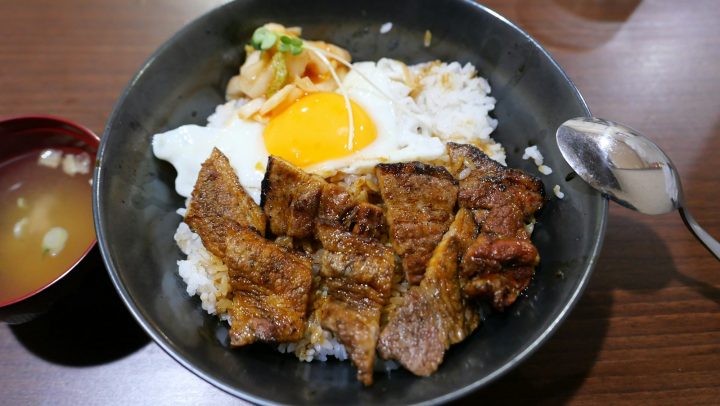
A Korean ground beef bowl is sweet-savory ground beef simmered in soy sauce, garlic, ginger and a little brown sugar, spooned over rice with crunchy vegetables. This version takes about 20 minutes, makes 4 bowls, and comes in at roughly 425 calories and 30 g protein per bowl.
It is a weeknight shortcut inspired by bulgogi, the Korean dish of thinly sliced beef in a sweet soy marinade. Ground beef skips the slicing and marinating, so dinner is on the table faster. I use 93% lean beef, low-sodium soy sauce and only 2 tablespoons of sugar for the whole batch, which keeps the bowl balanced without losing that glossy, caramelized sauce.
21 meals, 100 g+ protein a day, plus a grocery list and prep schedule.
Ingredients for Korean beef bowls
Makes 4 bowls. Prep 10 minutes, cook 10 minutes.
- 1 lb (454 g) 93% lean ground beef
- 2 tsp toasted sesame oil
- 4 garlic cloves, minced
- 1 tbsp freshly grated ginger
- 1/4 cup (60 ml) low-sodium soy sauce
- 2 tbsp packed brown sugar
- 1 tbsp gochujang (optional, for heat)
- 4 green onions, sliced, whites and greens separated
- 1 tsp sesame seeds
- 3 cups (about 475 g) cooked white rice, warm
- 1 English cucumber, thinly sliced
- 2 medium carrots, shredded
No gochujang? Leave it out for a milder bowl, or add a pinch of red pepper flakes. Short-grain or jasmine rice is the most traditional base; brown rice or quinoa work too.
How to make a Korean ground beef bowl
- Stir the soy sauce, brown sugar and gochujang together in a small bowl until the sugar dissolves.
- Heat the sesame oil in a large skillet over medium-high heat. Add the ground beef and cook, breaking it up, for 5 to 6 minutes until browned and no longer pink. Ground beef should reach 160°F (71°C).
- Add the garlic, ginger and green onion whites. Cook for 1 minute, stirring, until fragrant.
- Pour in the sauce and simmer for 2 to 3 minutes, until it thickens and coats the beef.
- Divide the rice between 4 bowls. Top with the beef, cucumber, carrots, green onion greens and sesame seeds.
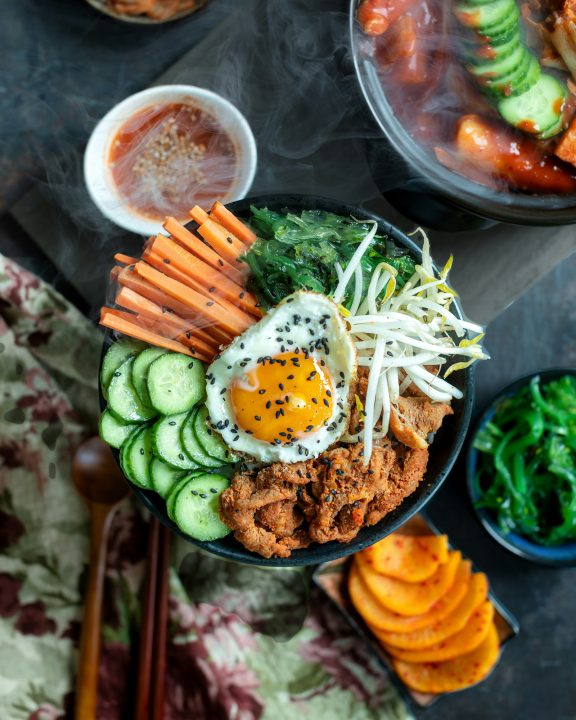
Korean beef bowl sauce: what makes it work
The sauce is the whole dish, and it only needs a few pantry staples:
- Low-sodium soy sauce for salt and depth. Regular soy sauce works, but the bowl gets salty fast.
- Brown sugar for the sweet, sticky finish. Honey is an easy swap.
- Garlic and fresh ginger for aroma. Fresh ginger tastes much brighter than ground.
- Toasted sesame oil for that nutty smell. A little goes a long way.
- Gochujang, a Korean fermented chili paste, for gentle heat and a deeper flavor.
Let the sauce bubble for a couple of minutes after it hits the pan. That short simmer is what turns it from thin and watery into a glaze that clings to the beef.
Nutrition per bowl
| Per bowl (1 of 4) | Amount |
|---|---|
| Calories | About 425 |
| Protein | About 30 g |
| Carbs | About 50 g |
| Fat | About 11 g |
| Fiber | About 2.5 g |
Want more protein? Add a fried or jammy egg to each bowl for about 6 g more protein and around 90 calories. Want fewer carbs? Use half rice, half cauliflower rice, or serve the beef in lettuce cups.
Easy swaps and variations
- Ground turkey or chicken: same method, but cook ground poultry to 165°F (74°C). It is a little leaner and milder, so add an extra clove of garlic.
- More vegetables: stir a bag of shredded coleslaw mix or chopped spinach into the pan in the last 2 minutes.
- Bibimbap-style: add a fried egg, sautéed spinach, bean sprouts and a spoon of gochujang thinned with a little water.
- Quick kimchi topping: a spoonful of store-bought kimchi adds crunch and tang.
- Not in the mood for Korean flavors? Try the beef and broccoli or the egg roll in a bowl, both ready in about the same time.
Korean beef bowl meal prep
This is one of the easiest bowls to prep for the week. Cook the beef and rice, cool them quickly, and pack them into 4 containers. Keep the cucumber and carrots in a separate container, or add them right before eating so they stay crisp.
- Fridge: cooked meat leftovers keep 3 to 4 days in the refrigerator.
- Freezer: the cooked beef (without the fresh vegetables) freezes for 2 to 6 months.
- Reheat: microwave until steaming hot all the way through; leftovers should reach 165°F (74°C).
For more make-ahead ideas, see these ground beef meal prep recipes and the ground beef sweet potato bowl, which uses roasted sweet potato instead of rice.
FAQ
Is a Korean beef bowl the same as bulgogi?
Not exactly. Bulgogi is made with thinly sliced beef that marinates before cooking. A Korean ground beef bowl borrows the same sweet soy, garlic and sesame flavors but uses ground beef, so it cooks in minutes with no marinating.
What can I use instead of brown sugar?
Honey or maple syrup both work in the same amount. You can also cut the sugar to 1 tablespoon; the sauce will be less sticky but still tasty.
Is this Korean beef bowl spicy?
Only if you add gochujang or chili flakes. Without them it is sweet and savory, which makes it a good pick for kids.
Sources
- USDA FoodData Central (nutrition values)
- FoodSafety.gov: Cold Food Storage Chart
- FoodSafety.gov: Safe Minimum Internal Temperatures
Korean Ground Beef Bowl
Ingredients
- 1 lb (454 g) 93% lean ground beef
- 2 tsp toasted sesame oil
- 4 garlic cloves, minced
- 1 tbsp freshly grated ginger
- 1/4 cup (60 ml) low-sodium soy sauce
- 2 tbsp packed brown sugar
- 1 tbsp gochujang (optional, for heat)
- 4 green onions, sliced, whites and greens separated
- 1 tsp sesame seeds
- 3 cups (about 475 g) cooked white rice, warm
- 1 English cucumber, thinly sliced
- 2 medium carrots, shredded
Instructions
- Stir the soy sauce, brown sugar and gochujang together in a small bowl until the sugar dissolves.
- Heat the sesame oil in a large skillet over medium-high heat. Add the ground beef and cook, breaking it up, for 5 to 6 minutes until browned and no longer pink. Ground beef should reach 160°F (71°C).
- Add the garlic, ginger and green onion whites. Cook for 1 minute, stirring, until fragrant.
- Pour in the sauce and simmer for 2 to 3 minutes, until it thickens and coats the beef.
- Divide the rice between 4 bowls. Top with the beef, cucumber, carrots, green onion greens and sesame seeds.
Nutrition per 1 bowl
21 meals, 100 g+ protein a day, plus a grocery list and prep schedule.