“Antioxidants” sounds like something you buy in a bottle. In reality, the easiest place to find them is your produce drawer. Antioxidants are compounds such as vitamin C, vitamin E, carotenoids, and polyphenols that plants make to protect themselves, and they often show up as color.
The simplest rule: eat a variety of colorful fruits and vegetables every day, plus beans, nuts, whole grains, herbs, and spices. Research on antioxidant supplements has been disappointing, while diets rich in these foods are consistently linked with better health.
Antioxidant-Rich Foods by Color
| Color | Foods | Main antioxidants |
|---|---|---|
| Red | Tomatoes, watermelon, red peppers, strawberries, cherries | Lycopene, vitamin C, anthocyanins |
| Orange and yellow | Carrots, sweet potatoes, pumpkin, mango, oranges | Beta-carotene, vitamin C |
| Green | Spinach, kale, broccoli, avocado, green tea | Lutein, vitamin C, vitamin E, catechins |
| Blue and purple | Blueberries, blackberries, red grapes, purple cabbage, beets | Anthocyanins, other polyphenols |
| Brown and tan | Beans, nuts, whole grains, coffee, cocoa | Polyphenols, vitamin E (nuts) |
Fruits and Berries
 Save
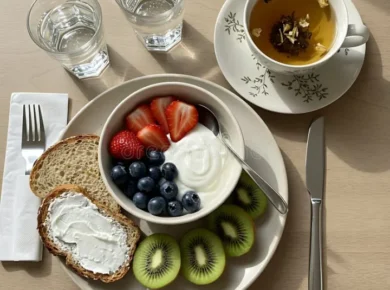
Berries are the stars here: blueberries, raspberries, strawberries, and blackberries. Frozen berries are just as good and cheaper, so keep a bag for smoothies and oatmeal. Citrus, kiwi, and strawberries add vitamin C.
Vegetables
 Save
Dark leafy greens, broccoli, carrots, sweet potatoes, tomatoes, and beets cover most of the color chart. Cooking tomatoes (in sauce or soup) actually makes their lycopene easier to absorb. For ideas, see our leafy greens guide.
Beans, Nuts, and Whole Grains
 Save
Beans (especially dark ones like black and red kidney beans), walnuts, pecans, almonds, and oats all contain polyphenols. Nuts and seeds are also a good source of vitamin E. Oats even have their own unique antioxidants; read more in what happens if you eat oatmeal every day.
Herbs and Spices
 Save
Cinnamon, oregano, turmeric, cumin, ginger, and fresh herbs like parsley and basil are concentrated sources. You only use small amounts, but cooking with plenty of them every day adds up, and it lets you use less salt. Fresh ginger makes a great tea; here is how to make ginger tea.
Drinks: Tea, Coffee, and Cocoa
 Save
Green tea, black tea, and coffee are some of the biggest sources of polyphenols in the typical diet simply because people drink them every day. Unsweetened is best. If you are deciding between them, our green tea vs coffee guide compares caffeine and more.
Dried Fruit: Good, in Small Portions
Dried plums, apricots, figs, and raisins keep many of the antioxidants of fresh fruit in a smaller package, but they also concentrate the sugar. Choose unsweetened varieties and stick to a small handful.
A Rainbow Day Without Trying Hard
- Breakfast: oatmeal with blueberries, walnuts, and cinnamon.
- Lunch: a big salad with spinach, tomatoes, carrots, black beans, and avocado.
- Snack: an orange and a few almonds.
- Dinner: roasted sweet potato, broccoli, and salmon with herbs.
That is five colors and several spices without a single supplement. For more meal ideas, see our healthy breakfast ideas.