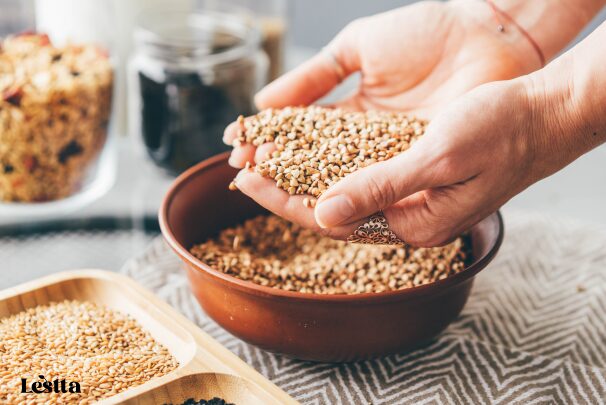
Seeds are one of the easiest upgrades you can make to breakfast, salads and snacks. A spoonful adds fiber, healthy fats, minerals and a little protein, plus crunch. Here are 8 healthy seeds worth keeping in your kitchen, what each one offers, and the simplest ways to eat them.
Healthy seeds at a glance
| Seed | Known for | Easy way to use it |
|---|---|---|
| Flaxseeds | Plant omega-3 (ALA), fiber | Ground, in oats or smoothies |
| Chia seeds | Fiber, plant omega-3 | Chia pudding, overnight oats |
| Sunflower seeds | Vitamin E | Salads, trail mix |
| Pumpkin seeds | Magnesium, zinc, iron | Yogurt bowls, soups |
| Sesame seeds | Calcium, healthy fats | Stir-fries, tahini |
| Hemp seeds | Protein, omega-3 and omega-6 | Sprinkled on toast or bowls |
| Poppy seeds | Calcium, flavor | Dressings, baking |
| Quinoa | Complete plant protein, fiber | Bowls, breakfast porridge |
1. Flaxseeds
 Save
Flaxseeds are one of the richest plant sources of ALA, an omega-3 fat, and they are high in fiber. Eat them ground: whole flaxseeds often pass through undigested. Stir a tablespoon into oatmeal, yogurt or smoothies, and store ground flax in the fridge.
2. Chia Seeds
 Save
Chia seeds soak up liquid and turn into a gel, which is what makes chia pudding work. They are packed with fiber and also contain plant omega-3. Our chia pudding and overnight oats are in the breakfast meal prep ideas.
That same gel helps hold snacks together, too: two tablespoons of chia go into our homemade healthy granola bars with oats, almonds and peanut butter.
3. Sunflower Seeds
 Save
Sunflower seeds are an excellent source of vitamin E, an antioxidant. Choose unsalted ones and sprinkle them on salads or mix them into homemade trail mix.
4. Pumpkin Seeds
 Save
Pumpkin seeds (pepitas) are rich in magnesium, zinc and iron, and have more protein than most seeds. Toast them lightly and add them to yogurt bowls, soups or roasted vegetables.
5. Sesame Seeds
 Save
Sesame seeds bring healthy fats, calcium and magnesium, and they are the base of tahini. Use them on stir-fries, salads or whole-grain toast with a drizzle of honey.
6. Hemp Seeds
 Save
Hulled hemp seeds (hemp hearts) are soft, nutty and among the highest-protein seeds, with a mix of omega-3 and omega-6 fats. Sprinkle them on avocado toast, yogurt or salads. They are a great way to add protein to the high-protein breakfasts without eggs.
7. Poppy Seeds
 Save
Poppy seeds add calcium and a mild, nutty flavor. They are usually eaten in small amounts, in dressings, muffins and breads.
8. Quinoa
 Save
Quinoa is technically a seed we cook like a grain. It contains all nine essential amino acids and plenty of fiber. Use it as the base for lunch bowls or the healthy dinner bowls on our site.
 You’ll also loveSaturated vs Unsaturated Fats: What’s the Difference and Which to Eat
Want to put these seeds to work? Our high fiber meals guide uses chia seeds and quinoa in easy everyday dishes, with fiber and protein counts for each serving.
FAQ
How many seeds should I eat a day?
A tablespoon or two a day is a sensible amount for most people. Seeds are healthy but calorie-dense, so small portions go a long way.
Which seed has the most protein?
Hemp and pumpkin seeds are among the highest in protein per spoonful.
How should I store seeds?
Keep them in airtight jars somewhere cool and dark. Ground flax and hemp hearts last longer in the fridge because their oils can go rancid.