A large egg has about 6.3 grams of protein and 72 calories. That’s the USDA number for a 50-gram whole egg, and it barely changes when you boil it. The protein in eggs scales with size, so a medium egg gives you 5.5 grams and a jumbo egg closer to 8. Roughly 3.6 grams sit in the white and 2.7 grams in the yolk.
Below you’ll find the full breakdown by egg size, white versus yolk, raw versus cooked, and what two or three eggs add up to on a plate. Every figure is calculated from USDA FoodData Central values per 100 grams, so you can trust the math when you’re planning breakfast.
How many grams of protein in an egg, by size
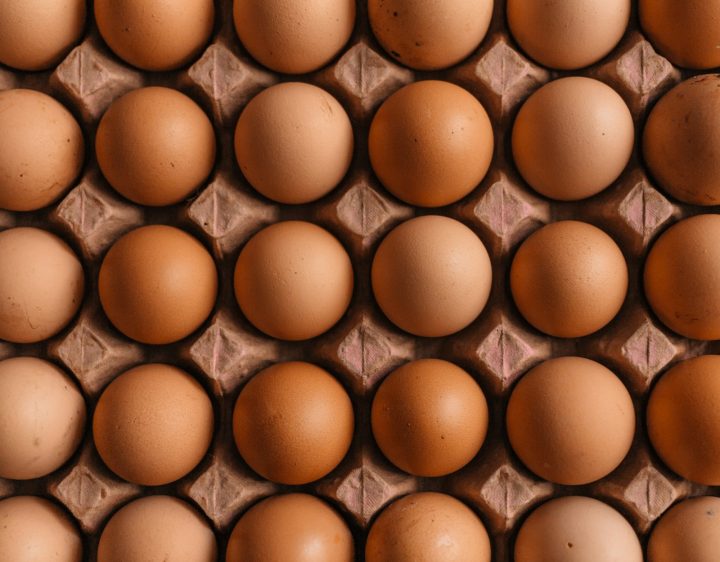
Egg cartons in the US are sold by size class, and the bigger the egg, the more of everything you get. USDA’s whole raw egg entry lists 12.6 g protein and 143 calories per 100 g. Here’s what that works out to for each size, using USDA’s standard weights for the edible part of the egg (no shell).
| Egg size | Edible weight | Protein | Calories | Fat |
|---|---|---|---|---|
| Small | 38 g | 4.8 g | 54 | 3.6 g |
| Medium | 44 g | 5.5 g | 63 | 4.2 g |
| Large | 50 g | 6.3 g | 72 | 4.8 g |
| Extra large | 56 g | 7.1 g | 80 | 5.3 g |
| Jumbo | 63 g | 7.9 g | 90 | 6.0 g |
Most recipes, including every egg recipe on this site, assume large eggs. If you buy extra large or jumbo, you’re getting close to an extra gram or more of protein per egg without doing anything differently. Over a 12-egg egg muffin batch, that adds up to about 10 extra grams for the tray.
Calories in an egg
A large raw egg has about 72 calories. A large hard-boiled egg comes in around 78, because USDA’s boiled-egg entry (155 calories per 100 g) is measured slightly differently from the raw one, not because boiling adds anything. Either way, you’re looking at 70 to 80 calories for a large egg cooked without fat.
Where the calories in an egg really change is the pan. Fried and scrambled eggs pick up whatever butter or oil you cook them in, and that can easily match the egg itself. If you’re counting, measure the fat, use a nonstick pan, or boil, poach or bake your eggs. Our guide on how long to boil eggs has the exact timing for soft, jammy and hard yolks.
Egg white vs yolk: where the protein is
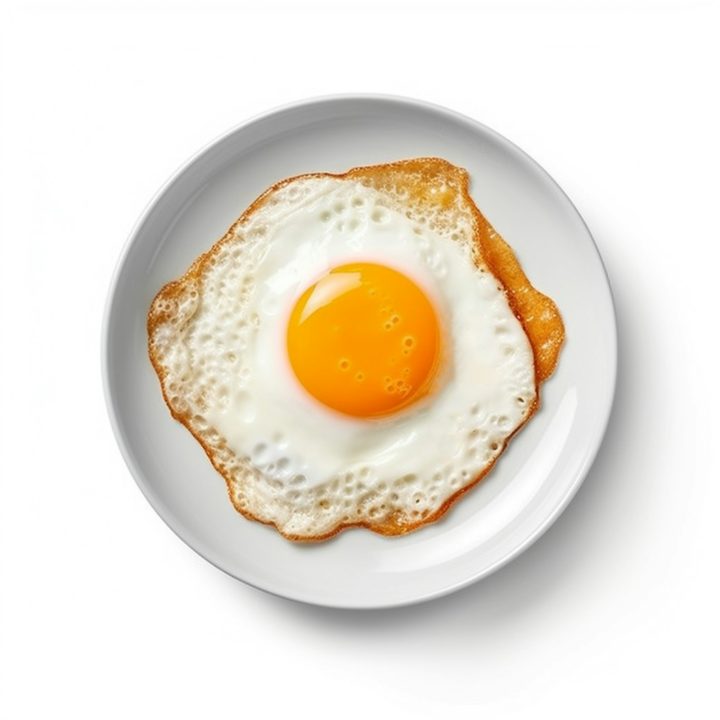
Here’s the part that surprises people: the yolk has more protein per gram than the white. Gram for gram, USDA lists 15.9 g protein per 100 g of raw yolk and 10.9 g per 100 g of raw white. The white still wins in total because it’s twice as heavy, about 33 g in a large egg versus 17 g of yolk.
 You’ll also love10 Everyday Foods That Support Energy and Focus Naturally
| Part of one large egg | Weight | Protein | Calories | Fat |
|---|---|---|---|---|
| Egg white | 33 g | 3.6 g | 17 | 0.1 g |
| Egg yolk | 17 g | 2.7 g | 55 | 4.5 g |
| Whole egg | 50 g | 6.3 g | 72 | 4.8 g |
So the white carries a bit more than half of an egg’s protein (about 57%) and almost none of its fat. The yolk brings about 43% of the protein along with nearly all the fat and three quarters of the calories. That’s why egg whites look so good on a protein-per-calorie basis: roughly 21 g of protein per 100 calories, against about 9 g for whole eggs.
My take: unless you’re stretching a tight calorie budget, keep the yolks. They carry the flavor, the richness and a real chunk of the protein. A mix works well too, like two whole eggs plus two whites in a scramble. We dig into the trade-offs in whole eggs vs. egg whites, and if you like the whites-only route, our egg white bites are an easy make-ahead.
Protein in a boiled egg vs a raw egg
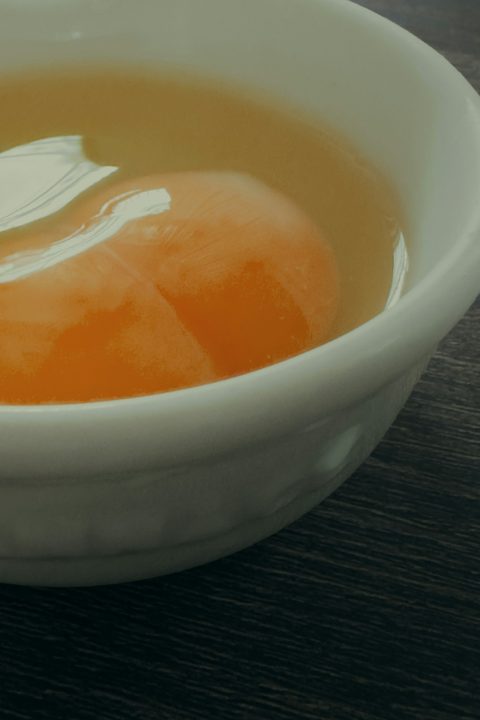
Cooking doesn’t create or destroy protein in any amount you’d notice. USDA lists 12.6 g protein per 100 g for both whole raw eggs and whole hard-boiled eggs, so a large boiled egg still gives you about 6.3 grams. The same goes for poached, scrambled or baked eggs: the protein stays the same, and only added ingredients change the totals.
One practical reason to cook them anyway: food safety. Raw and undercooked eggs can carry Salmonella, so for drinking or eating eggs uncooked, use pasteurized eggs. For everything else, cook until the whites are fully set.
How much protein in 2 eggs, 3 eggs and more
Eggs are easy to count, which makes them handy for hitting a protein number at breakfast. Using large eggs:
| Serving | Protein | Calories |
|---|---|---|
| 1 large egg | 6.3 g | 72 |
| 2 large eggs | 12.6 g | 143 |
| 3 large eggs | 18.9 g | 215 |
| 4 large eggs | 25.2 g | 286 |
| 3 large egg whites | 10.8 g | 51 |
| 2 large eggs + 2 whites | 19.8 g | 177 |
Two eggs alone sit a little under 13 grams. If you want a breakfast closer to 25 or 30 grams, pair eggs with another protein instead of eating five of them. Cottage cheese is the easiest partner: our scrambled eggs with cottage cheese take five minutes and come out creamy. For a full week of options, see our high protein breakfast meal prep recipes.
Easy ways to get more protein from eggs
- Size up. Switching from large to extra large adds about 0.8 g protein per egg for no extra effort.
- Add whites, not more yolks. Two whole eggs plus two whites gets you near 20 g for under 180 calories.
- Stir in dairy. Cottage cheese or Greek yogurt in scrambles and egg bakes raises protein and keeps eggs soft.
- Batch-cook. A dozen hard-boiled eggs on Sunday means 6 grams of protein you can grab any time that week.
- Build a plate around them. Eggs on beans, lentils or a grain bowl turn a 12-gram breakfast into a 25-gram meal.
Common mistakes when counting egg protein
- Using one number for every egg. “6 grams” is right for a large egg, but a jumbo egg has about 3 grams more than a small one.
- Forgetting the cooking fat. Protein stays put, but butter and oil can nearly double the calories of a fried egg.
- Assuming the yolk is “just fat.” It holds about 43% of the egg’s protein.
- Counting liquid egg whites by the egg. Cartoned whites are measured by volume, so check the label for protein per serving.
Protein in eggs FAQ
Do brown eggs have more protein than white eggs?
No. Shell color comes from the breed of hen, and USDA has a single nutrition entry for whole eggs regardless of shell color. Size is what changes the protein, not color.
How much protein is in one egg white?
About 3.6 grams in the white of a large egg, with roughly 17 calories and almost no fat.
Is 2 eggs enough protein for breakfast?
Two large eggs give you about 12.6 grams. Whether that’s enough depends on your goals and the rest of your day, but if you’re aiming for 20 grams or more, add egg whites, cottage cheese, Greek yogurt or a side of beans.
Sources
- Egg, whole, raw, fresh (USDA FoodData Central FDC ID 171287, via GetFoodFacts)
- Egg, white, raw, fresh (USDA FoodData Central FDC ID 172183, via GetFoodFacts)
- Egg, yolk, raw, fresh (USDA FoodData Central FDC ID 172184, via GetFoodFacts)
- Egg, whole, cooked, hard-boiled (USDA FoodData Central FDC ID 173424, via GetFoodFacts)
- USDA FoodData Central: Egg, whole, raw, fresh (standard egg size weights)