These egg muffins are the breakfast I make on Sunday so weekday mornings take 60 seconds: whisk a dozen eggs with cottage cheese, fold in spinach, broccoli and cheddar, and bake in a muffin tin for 20 minutes. You get 12 cups at about 102 calories and 9 g protein each, and they keep 3 to 4 days in the fridge or 2 to 3 months in the freezer.
The recipe is below, followed by the three things that decide whether egg muffins come out fluffy or rubbery, a few flavor swaps, and how to store and reheat them.

21 meals, 100 g+ protein a day, plus a grocery list and prep schedule.
Egg muffins recipe: ingredients
Makes 12 egg muffins · Prep 10 minutes · Bake 20 minutes · Total 30 minutes
- 12 large eggs (about 600 g out of the shell)
- 1/2 cup (113 g) 2% cottage cheese
- 2 cups (60 g) baby spinach, chopped
- 1 cup (90 g) broccoli florets, finely chopped
- 1/2 cup (56 g) shredded cheddar
- 1/2 tsp salt
- 1/4 tsp black pepper
- 1/4 tsp garlic powder
- Cooking spray or silicone muffin liners
How to make egg muffins
- Heat the oven to 350°F. Spray a 12-cup muffin tin well, including the top rim, or set silicone liners in the cups.
- Whisk the eggs, cottage cheese, salt, pepper and garlic powder in a large bowl (or a blender for 10 seconds) until no streaks of white remain.
- Divide the spinach, broccoli and cheddar among the 12 cups.
- Pour the egg mixture over the vegetables, filling each cup about three-quarters full.
- Bake 20 to 22 minutes, until the centers are set and no longer wet when you press them.
- Cool in the tin for 5 minutes, then run a thin knife around each muffin and lift it out. Cool completely before storing.
Nutrition per egg muffin
About 102 calories, 8.8 g protein and 6.6 g fat per muffin. A serving of 3 egg muffins is about 306 calories and 26 g protein, which is a solid breakfast on its own or with a piece of fruit or toast. I calculated these from USDA FoodData Central values for each ingredient (salt, pepper and garlic powder not included), so treat them as close estimates; brands of cottage cheese and cheddar vary a little.
Why the cottage cheese is in there
Plain eggs baked in a tin tend to puff up, then sink into dense, slightly squeaky pucks by day three. Half a cup of cottage cheese fixes that. The curds melt into the eggs and leave small soft pockets, so the texture stays closer to a frittata than an omelet that sat in the fridge. It also adds about 12 g of protein to the batch for under 100 calories.
If you dislike the look of curds, blend the eggs and cottage cheese together. The muffins come out smooth, a little like café-style egg bites. If you are curious how whole eggs compare with whites for this kind of recipe, I break down the numbers in whole eggs vs. egg whites.
3 fixes for rubbery, watery or stuck egg muffins
1. They stick to the pan
Eggs grab onto metal. Spray generously, including the rim where the muffin puffs over, or use silicone liners, which release cleanly every time. Paper liners are the worst option: the egg bonds to the paper. Letting the muffins rest 5 minutes before you lift them out also helps, because they shrink slightly as they cool.
2. They turn watery
Watery muffins almost always come from vegetables that release liquid as they bake. Chop everything small, and if you use mushrooms, zucchini or frozen spinach, cook or squeeze them first. Raw baby spinach and finely chopped broccoli, as in this recipe, are fine straight in.
3. They turn rubbery
Overbaking is the cause. Start checking at 20 minutes: the centers should spring back and look set, not glossy. They will firm up a little more as they cool. Reheating too long does the same damage, so warm them gently (see below).
Easy egg muffin variations
Keep the egg and cottage cheese base the same and swap the fillings. Use about 1 1/2 cups of chopped fillings in total for 12 cups.
 You’ll also love10 Breakfast Meal Prep Ideas That Actually Last the Week
- Spinach and feta: swap the cheddar for 1/2 cup (75 g) crumbled feta and add a pinch of dried oregano. About 100 calories and 8.6 g protein per muffin.
- Sausage and egg muffins: brown cooked turkey or chicken sausage, crumble it into the cups with the cheddar, and keep the spinach. Calories and protein go up depending on the sausage you buy, so check its label.
- Denver style: diced ham, red bell pepper and green onion in place of the broccoli.
- Southwest: black beans, a spoonful of salsa in each cup and pepper jack instead of cheddar. Serve with avocado.
- Clean-out-the-fridge: leftover roasted vegetables, chopped small. This is my favorite way to use the last of a sheet pan dinner.
Mini or jumbo egg muffins
The same batter fills a 24-cup mini muffin tin, which is handy for kids or for a snack box. Minis set much faster, so start checking at 12 minutes. A jumbo tin makes about 6 big muffins that need closer to 25 to 30 minutes. In every size, the test is the same: the center springs back and no longer looks wet.
Cheese choice changes the protein more than you might think. If you want to push it higher, my ranking of high protein cheeses shows which ones give the most per ounce.

How long do egg muffins last?
FoodSafety.gov lists baked casseroles with eggs at 3 to 4 days in the refrigerator (40°F or below) and 2 to 3 months in the freezer (0°F or below), and egg muffins fall in the same family. So if you bake on Sunday, eat the fridge batch by Wednesday and freeze the rest.
- Fridge: cool completely, then store in an airtight container lined with a paper towel to catch moisture.
- Freezer: freeze the muffins on a tray for an hour, then move them to a freezer bag so they do not stick together. Write the date on the bag.
How to reheat egg muffins
From the fridge: wrap one or two muffins in a damp paper towel and microwave for 30 to 45 seconds. From frozen: microwave 60 to 90 seconds in 30-second bursts, or thaw overnight in the fridge and reheat as above. The damp towel is the trick; without it the edges dry out. If you have more time, 10 minutes at 350°F in the oven or air fryer gives them a slightly crisp top.
 You’ll also loveMeal Prep for Beginners: 8 Easy Tips for Busy Weeks
Either way, reheat until they are hot all the way through.
Making egg muffins part of your breakfast meal prep
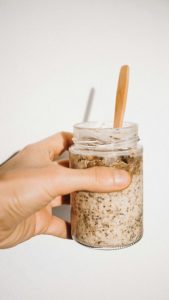
One tray covers four mornings at three muffins each. I like pairing them with a jar or two of overnight oats meal prep so the week has a savory and a sweet option, and both are done in about 30 minutes of Sunday work. For more make-ahead options and their fridge times, see my breakfast meal prep ideas, and if protein is your main goal, the high protein breakfast meal prep plan builds on the same idea.
Sources
- USDA FoodData Central via getfoodfacts.com: Egg, whole, raw, fresh (FDC 171287); Cottage cheese, lowfat, 2% milkfat (FDC 328841); Cheddar (FDC 328637); Spinach, raw (FDC 168462); Broccoli, raw (FDC 170379)
- USDA FoodData Central: Cheese, feta (FDC 173420)
- FoodSafety.gov, Cold Food Storage Charts

Spinach Broccoli Cheddar Egg Muffins
Ingredients
- 12 large eggs (about 600 g out of the shell)
- 1/2 cup (113 g) 2% cottage cheese
- 2 cups (60 g) baby spinach, chopped
- 1 cup (90 g) broccoli florets, finely chopped
- 1/2 cup (56 g) shredded cheddar
- 1/2 tsp salt
- 1/4 tsp black pepper
- 1/4 tsp garlic powder
- Cooking spray or silicone muffin liners
Instructions
- Heat the oven to 350°F. Spray a 12-cup muffin tin well, including the top rim, or set silicone liners in the cups.
- Whisk the eggs, cottage cheese, salt, pepper and garlic powder in a large bowl (or a blender for 10 seconds) until no streaks of white remain.
- Divide the spinach, broccoli and cheddar among the 12 cups.
- Pour the egg mixture over the vegetables, filling each cup about three-quarters full.
- Bake 20 to 22 minutes, until the centers are set and no longer wet when you press them.
- Cool in the tin for 5 minutes, then run a thin knife around each muffin and lift it out. Cool completely before storing.
Nutrition per 1 egg muffin
21 meals, 100 g+ protein a day, plus a grocery list and prep schedule.