Fattoush salad is a Levantine bread salad: crisp pieces of toasted pita tossed with romaine, tomato, cucumber, radish, green onion and lots of parsley and mint, all dressed in lemon, olive oil and tart, brick-red sumac. This version bakes the pita instead of frying it, takes about 30 minutes, and comes in at roughly 250 calories a serving.
The best fattoush is loud. It crunches, it’s sour, it smells like fresh mint, and the bread soaks up just enough dressing at the edges while staying crisp in the middle. Below you’ll find the full recipe with US and metric amounts, how to get pita chips that stay crunchy, a USDA-based calorie breakdown, and the swaps that work when you can’t find sumac.
What is fattoush?
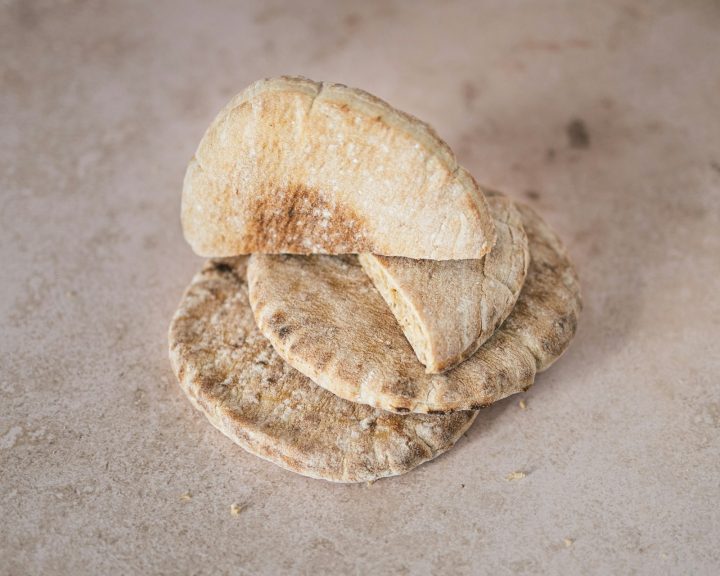
Fattoush belongs to a family of Levantine dishes called fattat (the plural of fatteh), which are all built on pieces of flatbread. The name traces back to the Arabic fatt, meaning to crush or break up, which is exactly what happens to the bread. It started as a smart way to use pita that had gone a day or two stale, and you’ll find versions of it across Lebanon, Syria, Palestine and Jordan.
What sets it apart from other chopped salads is the combination of three things: the toasted bread, a generous amount of fresh herbs, and sumac. Ground sumac comes from dried red berries and tastes sharp and lemony, so it gives fattoush a sour, almost fruity tang that lemon alone can’t match. Many cooks also add a little pomegranate molasses to the dressing for a sweet-tart note.
Fattoush salad recipe
Serves: 4 · Prep: 20 minutes · Cook: 10 minutes · Total: 30 minutes
Ingredients
For the pita chips
- 2 large pita rounds (120 g)
- 1 tbsp (13 g) extra-virgin olive oil
- 1/2 tsp ground sumac
- Pinch of kosher salt
For the salad
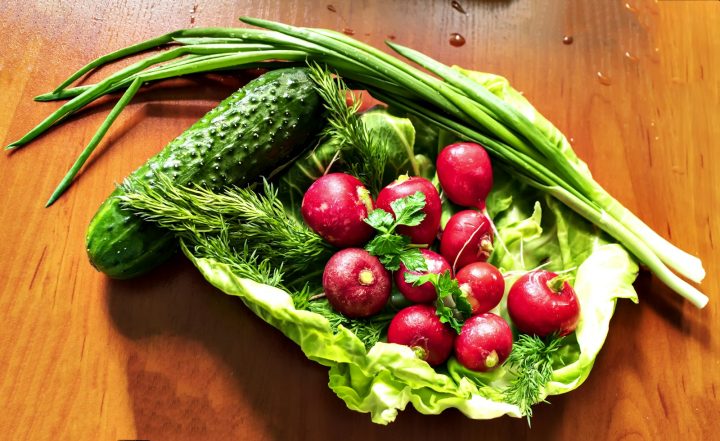
- 1 large romaine heart (250 g), chopped (about 5 cups)
- 2 medium tomatoes (250 g), cut into chunks
- 2 Persian cucumbers or 1/2 English cucumber (200 g), sliced
- 6 radishes (75 g), thinly sliced
- 1/2 small green bell pepper (60 g), diced
- 4 green onions (60 g), sliced
- 1 cup (60 g) roughly chopped flat-leaf parsley
- 1/2 cup (15 g) fresh mint leaves, torn
For the sumac dressing
- 1/4 cup (60 ml) fresh lemon juice, from about 2 lemons
- 3 tbsp (40 g) extra-virgin olive oil
- 1 small garlic clove, grated
- 2 tsp ground sumac, plus more for sprinkling
- 1 tsp pomegranate molasses (optional)
- 1/2 tsp dried mint (optional)
- 3/4 tsp kosher salt
- 1/4 tsp black pepper
Instructions
- Heat the oven to 400°F (200°C). Split each pita into two thin rounds along the seam, then tear or cut them into bite-size pieces. Toss on a sheet pan with the olive oil, sumac and salt and spread in one layer.
- Bake for 8 to 12 minutes, tossing halfway, until golden and crisp all the way through. Let the chips cool on the pan; they crisp up more as they cool.
- While the pita bakes, whisk the lemon juice, garlic, sumac, pomegranate molasses, dried mint, salt and pepper in a small bowl. Slowly whisk in the olive oil.
- Wash and dry the romaine, parsley and mint well. Put the romaine, tomatoes, cucumbers, radishes, bell pepper, green onions, parsley and mint in a large bowl.
- Pour about two-thirds of the dressing over the vegetables and toss to coat.
- Right before serving, add the pita chips and the rest of the dressing and toss once more. Sprinkle with a little extra sumac and serve right away.
How to keep the pita chips crunchy
Soggy bread is the most common fattoush complaint, and it’s easy to avoid. Three habits make the difference:
- Split the pita. Pulling each round apart into two thin layers gives you chips that crisp all the way through instead of staying chewy in the center.
- Bake until truly golden. Pale chips go soft fast. Pull them when they’re deep golden at the edges and snap cleanly.
- Add them last. Dress the vegetables first, then toss in the chips right before the bowl hits the table. If you’re serving a crowd, put half the chips on top so everyone gets some crunch.
Day-old pita works even better than fresh because it has already lost some moisture. If you prefer the classic fried version, shallow-fry the pieces in olive oil over medium heat until golden, then drain them on paper towels. They taste richer, but they also soak up more oil, so the salad gets heavier. An air fryer at 375°F (190°C) for about 5 to 7 minutes, shaken once, gets close to the fried texture with very little oil.
Fattoush dressing: what’s in it and how to adjust it
The dressing is simple: lemon juice, olive oil, garlic, sumac, salt and pepper. Pomegranate molasses and dried mint are both optional, but they’re what make it taste like the fattoush you get at a good Lebanese restaurant. The dressing should taste a little too sour on its own; once it hits the vegetables and bread, it balances out.
 You’ll also loveProtein Pancakes With Protein Powder That Aren’t Rubbery
- No sumac? Use the finely grated zest of one lemon plus a pinch of paprika for color. It won’t be the same, but it keeps the bright, sour edge.
- No pomegranate molasses? Leave it out, or stir in 1/2 tsp honey for a touch of sweetness.
- Too sharp? Add another tablespoon of olive oil or a little more molasses.
- Make it ahead. The dressing keeps in a jar in the fridge for a couple of days. Shake it well before using.
Fattoush calories and nutrition
One serving (a quarter of the bowl) has about 250 calories, 6 g protein, 28 g carbs, 14 g fat and 5 g fiber. I calculated these from USDA FoodData Central per-100 g values for each ingredient, using baked pita chips. Almost half of the calories come from the olive oil and about a third from the pita; the vegetables and herbs add very little but supply most of the fiber.
| Ingredient (whole batch) | Amount | Calories | Protein | Fiber |
|---|---|---|---|---|
| Pita bread, white | 2 large (120 g) | 330 | 10.9 g | 2.6 g |
| Olive oil (chips + dressing) | 1 tbsp + 3 tbsp (53 g) | 473 | 0 g | 0 g |
| Romaine | 1 large heart (250 g) | 42 | 3.1 g | 5.2 g |
| Tomatoes | 2 medium (250 g) | 45 | 2.2 g | 3.0 g |
| Cucumber | 200 g | 30 | 1.3 g | 1.0 g |
| Radishes | 6 (75 g) | 12 | 0.5 g | 1.2 g |
| Green bell pepper | 1/2 small (60 g) | 12 | 0.5 g | 1.0 g |
| Green onions | 4 (60 g) | 19 | 1.1 g | 1.6 g |
| Parsley | 1 cup (60 g) | 22 | 1.8 g | 2.0 g |
| Mint | 1/2 cup (15 g) | 7 | 0.5 g | 1.0 g |
| Lemon juice | 1/4 cup (60 g) | 13 | 0.2 g | 0.2 g |
| Garlic | 1 small clove (3 g) | 4 | 0.2 g | 0.1 g |
| Total (4 servings) | 1,009 | 22.3 g | 18.9 g | |
| Per serving | 252 | 5.6 g | 4.7 g |
Want it lighter? Cut the dressing oil to 2 tablespoons and you save about 30 calories per serving. Want it to work as a full meal? Add protein: 1/2 cup (75 g) crumbled feta adds about 50 calories and 3 g protein per serving, a can of rinsed chickpeas bulks it up, or serve it next to sliced chicken. It’s the perfect side for our chicken shawarma bowl with garlic yogurt sauce.
Fattoush vs. tabbouleh
They show up on the same mezze tables, but they’re very different salads. Tabbouleh is an herb salad: mostly finely chopped parsley with a little fine bulgur, mint, tomato and lemon. Fattoush is a chunky vegetable salad with lettuce, cucumber, radish and tomato cut into bigger pieces, crunchy pita instead of bulgur, and sumac in the dressing. Tabbouleh is soft and fine; fattoush is all about crunch.
What to serve with fattoush
- A mezze spread with high protein hummus, olives and warm pita.
- Baked falafel tucked into pita or served on the side.
- A bowl of mujadara (lentils and rice with crispy onions) for a simple, filling vegetarian dinner.
- Grilled chicken, lamb kofta, or salmon fillets.
- Warm red lentil soup on cooler nights.
Make ahead and storage
Fattoush is best eaten as soon as it’s tossed, but nearly all the work can be done ahead. Store the chopped vegetables and herbs in a container lined with a paper towel in the fridge, keep the dressing in a jar, and keep the cooled pita chips loosely covered at room temperature. Combine everything just before serving.
Leftover dressed fattoush is still tasty the next day, but the chips go soft and the lettuce wilts. If you’re packing it for lunch, put the dressing and chips in separate small containers and toss them in at your desk. For another salad that actually holds up in the fridge, try our Mediterranean quinoa salad.
Fattoush salad FAQ
What does fattoush mean?
The name comes from the Arabic word fatt, to crush or break into pieces, which describes the broken pieces of flatbread at the heart of the salad.
Is fattoush salad healthy?
It’s mostly fresh vegetables and herbs dressed with olive oil and lemon. This version has about 250 calories and 5 g of fiber per serving. Baking the pita instead of frying it keeps the oil, and the calories, lower.
What does sumac taste like?
Tart and lemony, with a slightly fruity edge. It’s sour without being sharp like vinegar, which is why it works so well sprinkled over salads, grilled meat and eggs.
Can I make fattoush without pita?
You can use toasted whole-wheat pita, lavash, or even crisp tortilla pieces. For a gluten-free version, use gluten-free flatbread or skip the bread and add extra cucumber and radish for crunch.
Is fattoush the same as Greek salad?
No. Both have tomato and cucumber, but Greek salad uses feta, olives, red onion and oregano with no bread or lettuce. Fattoush has lettuce, radishes, lots of fresh herbs, toasted pita and a sumac-lemon dressing.
Sources
- USDA FoodData Central per-100 g values via getfoodfacts.com: Pita bread, white, enriched (FDC 174915), Romaine lettuce, raw (FDC 169247), Tomatoes, red, ripe, raw (FDC 170457), Cucumber, with peel, raw (FDC 168409), Radishes, raw (FDC 169276), Green bell pepper, raw (FDC 170427), Scallions, raw (FDC 170005), Parsley, fresh (FDC 170416), Spearmint, fresh (FDC 173475), Lemon juice, raw (FDC 167747), Olive oil (FDC 171413), Garlic, raw (FDC 169230), Feta cheese (FDC 173420).
- Wikipedia: Fattoush (name, the fattat family of bread dishes, and the role of sumac).
21 meals, 100 g+ protein a day, plus a grocery list and prep schedule.
Fattoush Salad
Ingredients
- 2 large pita rounds (120 g)
- 1 tbsp (13 g) extra-virgin olive oil
- 1/2 tsp ground sumac
- Pinch of kosher salt
- 1 large romaine heart (250 g), chopped (about 5 cups)
- 2 medium tomatoes (250 g), cut into chunks
- 2 Persian cucumbers or 1/2 English cucumber (200 g), sliced
- 6 radishes (75 g), thinly sliced
- 1/2 small green bell pepper (60 g), diced
- 4 green onions (60 g), sliced
- 1 cup (60 g) roughly chopped flat-leaf parsley
- 1/2 cup (15 g) fresh mint leaves, torn
- 1/4 cup (60 ml) fresh lemon juice, from about 2 lemons
- 3 tbsp (40 g) extra-virgin olive oil
- 1 small garlic clove, grated
- 2 tsp ground sumac, plus more for sprinkling
- 1 tsp pomegranate molasses (optional)
- 1/2 tsp dried mint (optional)
- 3/4 tsp kosher salt
- 1/4 tsp black pepper
Instructions
- Heat the oven to 400°F (200°C). Split each pita into two thin rounds along the seam, then tear or cut them into bite-size pieces. Toss on a sheet pan with the olive oil, sumac and salt and spread in one layer.
- Bake for 8 to 12 minutes, tossing halfway, until golden and crisp all the way through. Let the chips cool on the pan; they crisp up more as they cool.
- While the pita bakes, whisk the lemon juice, garlic, sumac, pomegranate molasses, dried mint, salt and pepper in a small bowl. Slowly whisk in the olive oil.
- Wash and dry the romaine, parsley and mint well. Put the romaine, tomatoes, cucumbers, radishes, bell pepper, green onions, parsley and mint in a large bowl.
- Pour about two-thirds of the dressing over the vegetables and toss to coat.
- Right before serving, add the pita chips and the rest of the dressing and toss once more. Sprinkle with a little extra sumac and serve right away.
Nutrition per 1/4 of the recipe
21 meals, 100 g+ protein a day, plus a grocery list and prep schedule.