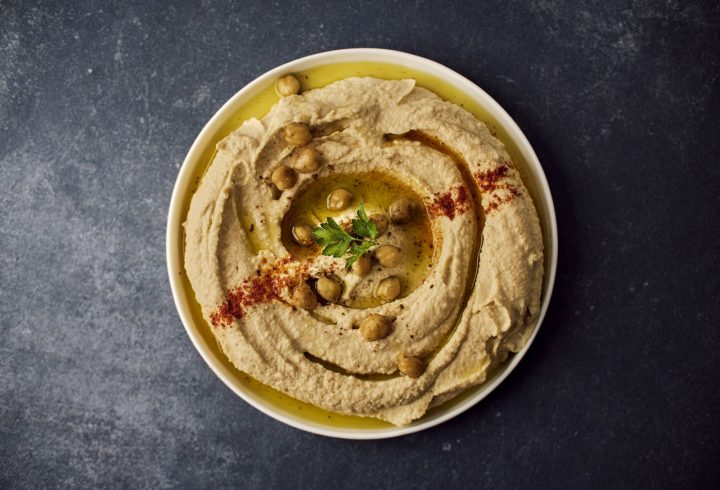
High protein hummus is regular hummus with a protein-rich ingredient blended in, usually cottage cheese or Greek yogurt. This version uses a full cup of 2% cottage cheese with one can of chickpeas and a little tahini. It takes 10 minutes, tastes like classic hummus with a slightly tangier finish, and gives you about 10 g of protein in a 1/2-cup serving for roughly 190 calories.
Here’s the honest part most recipes skip: in a 2-tablespoon scoop, no hummus is a protein powerhouse. What cottage cheese changes is how much protein you get for the calories. Below you’ll find the recipe in US and metric amounts, a USDA-based calorie and protein comparison with classic and store-bought hummus, and the blending trick that keeps cottage cheese hummus smooth instead of grainy.
Why cottage cheese works in hummus
Hummus is the Arabic word for chickpea, and the dip’s full name, hummus bi tahini, simply means chickpeas with tahini. It’s a staple across the Levant, where it’s eaten with bread as part of a mezze spread. The classic version is chickpeas, tahini, lemon, garlic and salt, and this recipe keeps all of them.
Cottage cheese is the addition. Per 100 g, 2% cottage cheese has 11 g protein and 84 calories in USDA data, compared with 7 g protein and 138 calories for canned chickpeas. It also does some of the job tahini and olive oil usually do: it makes the dip creamy, so you can use less of the high-calorie ingredients without ending up with a stiff, pasty hummus.
- Taste: slightly tangier and milder than classic hummus. With lemon, garlic and cumin in the mix, most people don’t pick out the cottage cheese.
- Texture: lighter and fluffier, as long as you blend the cottage cheese smooth first (more on that below).
- Not dairy-free: if you need a dairy-free dip, try the edamame variation and skip the cheese.
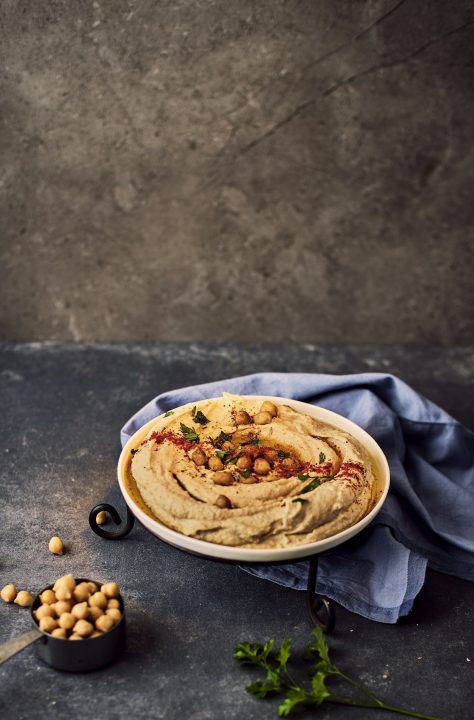
High protein hummus recipe
Makes: about 2 1/3 cups · Prep: 10 minutes · Cook: none · Equipment: food processor or high-speed blender
Ingredients
- 1 can (15 oz) chickpeas, drained and rinsed (about 1 1/2 cups, 230 g)
- 1 cup (220 g) 2% cottage cheese
- 3 tbsp (45 g) tahini, well stirred
- 3 tbsp (45 ml) fresh lemon juice, from about 1 1/2 lemons
- 1 small garlic clove, peeled
- 1/2 tsp ground cumin
- 1/2 tsp kosher salt, plus more to taste
- 2 to 3 tbsp (30 to 45 ml) ice water
- 1 tbsp (13.5 g) extra-virgin olive oil, for drizzling
- Paprika or chopped parsley, for topping (optional)
Instructions
- Put the cottage cheese, tahini, lemon juice, garlic, cumin and salt in a food processor. Blend for 1 minute, scraping down the sides once, until completely smooth with no curds left.
- Add the chickpeas and blend for 2 minutes, scraping down the bowl halfway through.
- With the machine running, add the ice water 1 tablespoon at a time and keep blending for 1 to 2 minutes, until the hummus turns pale and fluffy and holds a soft swirl.
- Taste and add more salt or lemon juice if needed.
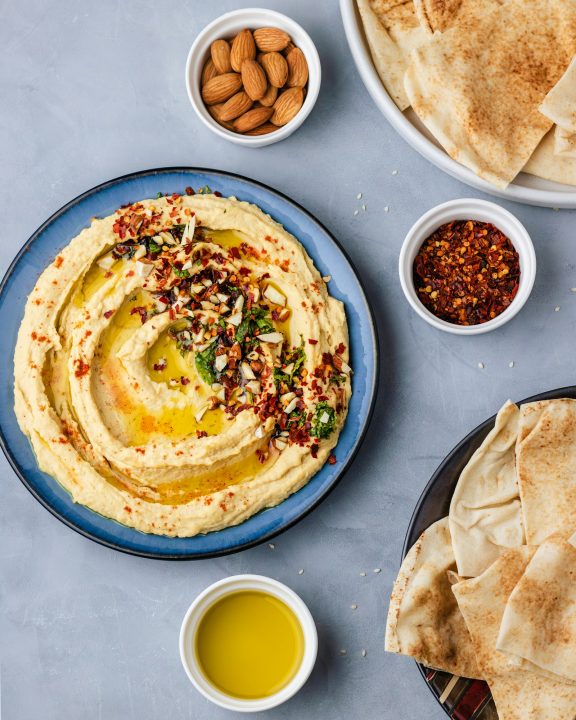
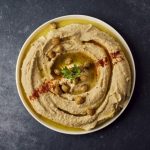
- Spoon into a shallow bowl, make a swirl with the back of a spoon, drizzle with the olive oil and sprinkle with paprika or parsley. Serve right away or chill until needed.
How to keep it smooth, not grainy
The most common complaint about cottage cheese hummus is little white flecks of curd. The fix is the order you blend in. Cottage cheese, tahini and lemon go in first, on their own, and get a full minute until they look like a smooth sauce. Only then do the chickpeas go in. If you dump everything in at once, the chickpeas thicken the mix before the curds break down, and some of them never do.
- Use ice water, not tap water. Cold water added slowly with the motor running whips the hummus and makes it paler and lighter.
- Blend longer than feels necessary. Three to four minutes total in a food processor is normal. Scrape the bowl at least twice.
- Skinning chickpeas is optional. Rubbing the skins off in a towel makes the hummus a little silkier, but with this much cottage cheese in the bowl, the difference is small. Skip it on a weeknight.
- Small-curd cottage cheese blends faster than large-curd, but either works.
- Too thick? Add another tablespoon of ice water. Too thin? Chill it for an hour; it firms up in the fridge.
Calories in hummus: this recipe vs. classic and store-bought
Two tablespoons of store-bought hummus have about 74 calories and 2.4 g protein, based on USDA FoodData Central values for commercial hummus. Homemade classic hummus comes in at about 55 calories and 1.5 g protein for the same amount. This high protein hummus has about 48 calories and 2.6 g protein per 2 tablespoons, including the olive oil drizzle.
| Hummus | Calories (2 tbsp) | Protein (2 tbsp) | Fat (2 tbsp) | Calories (1/2 cup) | Protein (1/2 cup) | Protein per 100 calories |
|---|---|---|---|---|---|---|
| This high protein hummus | 48 | 2.6 g | 2.6 g | 190 | 10.2 g | 5.4 g |
| Classic hummus, homemade | 55 | 1.5 g | 2.7 g | 218 | 6.0 g | 2.7 g |
| Store-bought hummus | 74 | 2.4 g | 5.5 g | 292 | 9.6 g | 3.3 g |
Two things stand out. First, store-bought hummus is denser and richer, so scoop for scoop its protein is close to this recipe. The difference is the calories: you get about 60% more protein per calorie than store-bought and twice as much as classic homemade hummus, with roughly half the fat of the store-bought tub. Second, the protein only adds up when you eat a real snack-size portion. A half cup with vegetables is about 10 g, which makes this a solid afternoon snack rather than a garnish.
 You’ll also loveHealthy Sheet Pan Dinners With 15 Minutes of Prep
For the full batch (about 2 1/3 cups), the totals are about 904 calories, 48 g protein, 76 g carbs, 49 g fat and 19 g fiber. Skip the olive oil drizzle and each 2-tablespoon serving drops to about 42 calories. Looking for more foods that give you a lot of protein for the calories? See our list of high-protein low-fat foods ranked by protein per calorie.
Variations
- Greek yogurt hummus: swap the cottage cheese for 220 g (about 1 cup) plain nonfat Greek yogurt. It’s smoother from the start and tangier. Per 2 tablespoons: about 45 calories and 2.5 g protein.
- Edamame hummus: use half the chickpeas (115 g) plus 1 cup (155 g) cooked, shelled edamame. It turns pale green and tastes a little sweeter. Per 2 tablespoons: about 46 calories and 2.9 g protein. For a dairy-free version, leave out the cottage cheese, add 2 more tablespoons of tahini and enough ice water to loosen it. That version will be lower in protein, so we haven’t listed numbers for it.
- Roasted red pepper: blend in 1/2 cup (about 75 g) jarred roasted red peppers, patted dry, and a pinch of smoked paprika.
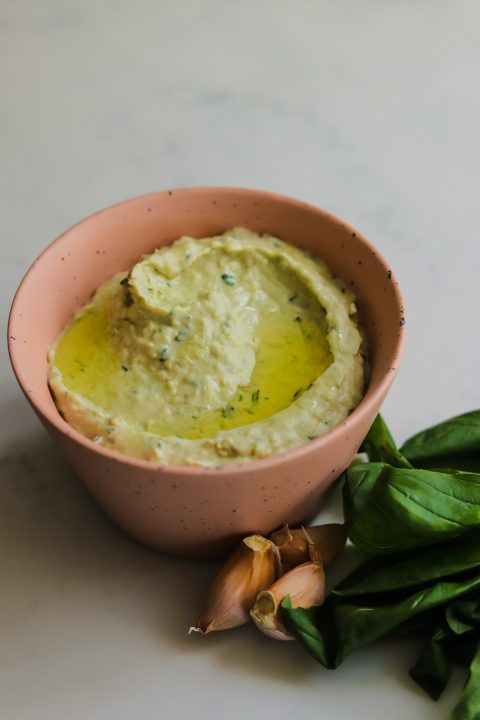
- Lemon herb: add the zest of 1 lemon and a big handful of parsley or dill at the end. Pulse just until flecked green.
- Spicy: add 1/2 to 1 tsp harissa or a pinch of Aleppo pepper with the cumin.
What to eat with protein hummus
- As a snack: cucumber, bell pepper strips, carrots, snap peas, radishes or a few whole-grain crackers. It’s a great center for a veggie tray.
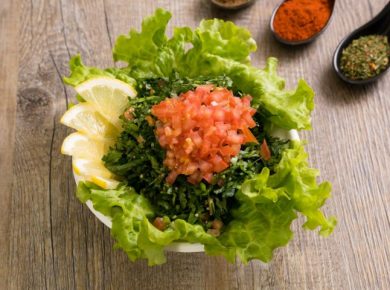
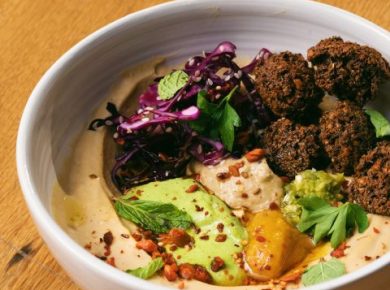
- As a mezze plate: warm pita, olives, parsley-heavy tabbouleh and baked falafel.
- As a spread: swap it for mayo in a turkey or chicken wrap, or spread it on toast and top with sliced tomato and a fried egg.
- As a bowl base: spoon it under grilled chicken, roasted vegetables and a grain. For more ideas in that direction, browse our high protein recipes.
Storage
Keep the hummus in an airtight container in the fridge at 40°F (4°C) or below. FoodSafety.gov’s cold storage chart doesn’t list hummus by name, but it gives 3 to 4 days for prepared foods such as soups, stews and deli-style salads, and that’s the window I’d use for a dip made with cottage cheese. A thin layer of olive oil on top keeps the surface from drying out. If a little liquid separates, just stir it back in.
You can freeze it. FoodSafety.gov notes that freezer times are about quality only, since food kept continuously at 0°F (-18°C) stays safe indefinitely. Dairy-based dips can turn a bit grainy after thawing, so thaw it overnight in the fridge and give it a quick blend or a hard stir before serving.
 You’ll also loveHealthy Breakfast Recipes: Make-Ahead Ideas With Calories and Protein
High protein hummus FAQ
Is hummus high in protein?
Not by itself. USDA data puts store-bought hummus at about 7.8 g protein per 100 g, which works out to roughly 2.4 g in 2 tablespoons. It’s a good plant-based source in a bigger portion, but adding cottage cheese or Greek yogurt is what pushes it toward high-protein territory for the calories.
How many calories are in 2 tablespoons of hummus?
About 74 calories for store-bought hummus and about 55 for a classic homemade version, based on USDA values. This cottage cheese hummus is about 48 calories per 2 tablespoons.
Can you taste the cottage cheese?
Only a little, as a mild tang. Lemon, garlic, cumin and tahini carry the flavor. Blending the cottage cheese smooth before adding the chickpeas matters more for taste than anything else, because visible curds are what give it away.
Can I make it without tahini?
Yes. Leave it out and add an extra tablespoon of lemon juice and a little more ice water. The hummus will be lower in fat and calories, with a less nutty, more yogurt-like flavor.
Can I use dried chickpeas?
Yes. Use about 1 1/2 cups (230 g) of cooked chickpeas, cooked until very soft. Softer chickpeas give a smoother hummus, so cook them a little past the point you’d want for a salad.
Sources
- USDA FoodData Central per-100 g values via getfoodfacts.com: chickpeas, canned, drained and rinsed (FDC 173801), cottage cheese, 2% (FDC 328841), tahini (FDC 170189), lemon juice (FDC 167747), garlic (FDC 169230), olive oil (FDC 171413), Greek yogurt, plain, nonfat (FDC 330137), edamame, prepared (FDC 168411).
- USDA FoodData Central via getfoodfacts.com: hummus, commercial (FDC 174289) and hummus, home prepared (FDC 172454).
- FoodSafety.gov, Cold Food Storage Chart.
21 meals, 100 g+ protein a day, plus a grocery list and prep schedule.
High Protein Hummus
Ingredients
- 1 can (15 oz) chickpeas, drained and rinsed (about 1 1/2 cups, 230 g)
- 1 cup (220 g) 2% cottage cheese
- 3 tbsp (45 g) tahini, well stirred
- 3 tbsp (45 ml) fresh lemon juice, from about 1 1/2 lemons
- 1 small garlic clove, peeled
- 1/2 tsp ground cumin
- 1/2 tsp kosher salt, plus more to taste
- 2 to 3 tbsp (30 to 45 ml) ice water
- 1 tbsp (13.5 g) extra-virgin olive oil, for drizzling
- Paprika or chopped parsley, for topping (optional)
Instructions
- Put the cottage cheese, tahini, lemon juice, garlic, cumin and salt in a food processor. Blend for 1 minute, scraping down the sides once, until completely smooth with no curds left.
- Add the chickpeas and blend for 2 minutes, scraping down the bowl halfway through.
- With the machine running, add the ice water 1 tablespoon at a time and keep blending for 1 to 2 minutes, until the hummus turns pale and fluffy and holds a soft swirl.
- Taste and add more salt or lemon juice if needed.
- Spoon into a shallow bowl, make a swirl with the back of a spoon, drizzle with the olive oil and sprinkle with paprika or parsley. Serve right away or chill until needed.
Nutrition per 2 tablespoons (31 g)
21 meals, 100 g+ protein a day, plus a grocery list and prep schedule.