 Save
SaveFew nutrition topics get people as heated as artificial sweeteners. One headline says they are harmless; the next says they are ruining your gut. Here is a calm look at what they are, what US regulators say, and how to think about them in a healthy diet.
What Are Artificial Sweeteners?
They are high-intensity sweeteners: you need only a tiny amount to match the sweetness of sugar, so they add few or no calories. Some are made in a lab (aspartame, sucralose); others come from plants (stevia, monk fruit).
Common Sweeteners Compared
| Sweetener | How sweet vs sugar | Where you see it |
|---|---|---|
| Aspartame | About 200x | Diet sodas, sugar-free gum |
| Sucralose | About 600x | Yellow packets, baked goods, protein powders |
| Acesulfame potassium (Ace-K) | About 200x | Often blended with other sweeteners in drinks |
| Saccharin | 200–700x | Pink packets |
| Stevia (steviol glycosides) | 200–400x | “Natural” zero-calorie sweeteners, flavored waters |
| Monk fruit extract | 100–250x | Sweetener blends, keto products |
Sweetness figures from the US FDA.
Are Artificial Sweeteners Safe?
The FDA has reviewed each of these and considers them safe when used within the acceptable daily intake (ADI), which is set far above what people normally consume. A few specifics:
- Aspartame: people with the genetic condition PKU (who cannot process phenylalanine) should avoid or restrict it, which is why products carry a warning. In 2023 the WHO’s cancer agency (IARC) labeled aspartame “possibly carcinogenic,” and the FDA publicly disagreed, citing problems with the studies used.
- Saccharin: the old warning label is no longer required; the FDA considers it safe.
- Stevia and monk fruit: purified extracts have GRAS (generally recognized as safe) status.
Research on longer-term effects (gut bacteria, appetite, weight) is still mixed, and much of it is observational, which cannot prove cause and effect. So the fair summary is: safe in normal amounts according to regulators, but not a magic weight-loss tool.
Do Sweeteners Help With Weight Loss?
Swapping a daily regular soda for a diet one does cut a lot of sugar and calories, and that can help. But if the diet soda comes with a bigger snack, the benefit disappears. In 2023 the WHO advised against relying on non-sugar sweeteners for weight control, recommending people reduce sweetness in their diet overall instead.
Smarter Ways to Cut Sugar
- Use sweeteners as a bridge, not a destination. Diet soda can help you quit regular soda; sparkling water can help you quit diet soda. See our sparkling water guide.
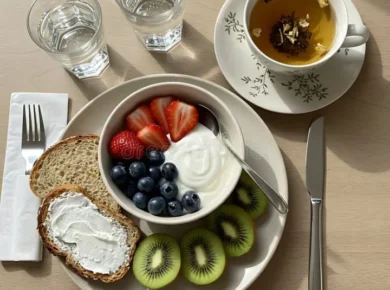
- Sweeten with fruit. Mashed banana in oatmeal, berries in yogurt.
- Cut the sugar in recipes by a third. Most baked goods taste just as good.
- Read labels for added sugar in sauces, cereals, and “healthy” bars.
- Retrain your taste buds. After a few weeks with less sweet food, very sweet things start to taste too sweet.
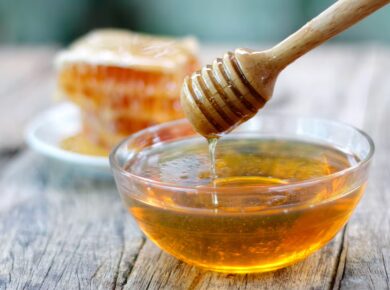
Honey and maple syrup are still sugars, so use them sparingly too (read our honest look at honey). For fruit that is naturally lower in sugar, see our list of low sugar fruits.
Source: FDA – Aspartame and Other Sweeteners in Food.