No single food will make you smarter before a big meeting. But what you eat over years does matter for your brain, and the foods that keep coming up in research are ones you can find in any grocery store.
The best-studied pattern is the MIND diet, a mix of the Mediterranean and DASH diets that emphasizes leafy greens, berries, nuts, beans, whole grains, fish, poultry, and olive oil. Observational studies link it to slower cognitive decline, although a 2023 clinical trial did not find a clear benefit over a general calorie-controlled healthy diet. The takeaway: eat this way because it is good for your whole body, not because of a miracle promise.
10 Brain Foods to Eat More Often
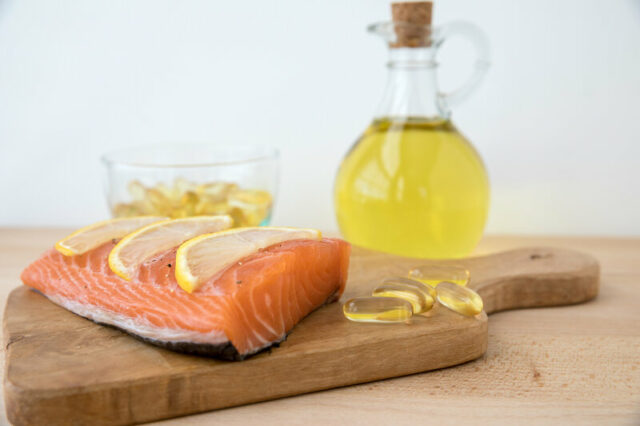
1. Fatty fish
 Save
Salmon, sardines, trout, and mackerel are rich in omega-3 fats, which are a major building block of brain cell membranes. Aim for fish about twice a week.
2. Leafy greens
Spinach, kale, collards, and romaine bring folate, vitamin K, and lutein. They are the top food group in the MIND diet. Our leafy greens guide has easy ways to eat more.
3. Berries
 Save
Blueberries and strawberries are packed with flavonoids (the antioxidants that give them color). Frozen berries count and are easy to add to oatmeal or yogurt.
4. Nuts and seeds
 Save
Walnuts are a plant source of omega-3s; almonds and sunflower seeds are high in vitamin E. A small handful a day is a good habit. See our guide to healthy seeds.
5. Eggs
 Save
Eggs are one of the richest common sources of choline (about 294 mg per 100 g, per USDA), a nutrient the body uses to make acetylcholine, a messenger involved in memory. They also provide vitamin B12.
6. Beans and lentils
Another MIND diet staple. They bring fiber, folate, and steady energy, which helps you avoid the sugar crash that kills afternoon focus.
7. Whole grains
 Save
Oats, brown rice, and whole-grain bread release energy slowly. Swapping refined carbs for whole grains is one of the easiest upgrades you can make.
8. Olive oil
The main fat in both the Mediterranean and MIND diets. Use it for cooking and dressings in place of butter.
9. Broccoli and other cruciferous vegetables
 Save
Broccoli, cauliflower, and Brussels sprouts bring vitamin K, vitamin C, and fiber. Roast them at high heat and even picky eaters come around.
10. Coffee and tea (in moderation)
 Save
Caffeine improves alertness in the short term. Just keep it moderate (the FDA cites 400 mg a day as an amount not generally linked to negative effects for healthy adults) and stop early enough that it does not hurt your sleep. Compare them in our green tea vs coffee guide.
A Brain-Friendly Grocery List
| Aisle | Put in your cart |
|---|---|
| Produce | Spinach, kale, broccoli, berries (or frozen), avocados |
| Protein | Salmon or canned sardines, eggs, chicken, beans, lentils |
| Pantry | Oats, brown rice, walnuts, almonds, olive oil |
| Drinks | Coffee or green tea, water |
Just as important is what to eat less of: fried food, pastries and sweets, and processed meats. And remember that sleep, exercise, and staying social matter for your brain as much as anything on your plate. For steady energy through the day, read foods that fight fatigue.
Sources: USDA FoodData Central – Egg, whole (171287); FDA – How Much Caffeine Is Too Much?
 You’ll also love10 Everyday Foods That Support Energy and Focus Naturally