Stand in the dairy aisle for 30 seconds and you will count a dozen kinds of milk. The differences come down to three numbers: calories, protein, and calcium. Here is how the most common types of milk stack up, and which one makes sense for you.
Types of Milk Compared (per 1 Cup)
| Milk (1 cup) | Calories | Protein | Fat | Calcium |
|---|---|---|---|---|
| Whole (3.25%) | 146 | 8 g | 7.8 g | 300 mg |
| Reduced fat (2%) | 122 | 8.1 g | 4.8 g | 293 mg |
| Skim (fat free) | 83 | 8.2 g | 0.2 g | 298 mg |
| Soymilk, unsweetened, fortified | 80 | 7 g | 3.9 g | 301 mg |
| Almond milk, unsweetened | 40 | 1 g | 2.5 g | 480 mg (added) |
Calculated from USDA FoodData Central values. Plant milk brands vary a lot, so always check the label.
The surprise for most people: whole, 2%, and skim milk have almost the same protein and calcium. Removing fat removes calories, not nutrients.
Cow’s Milk: Whole vs 2% vs Skim
 Save
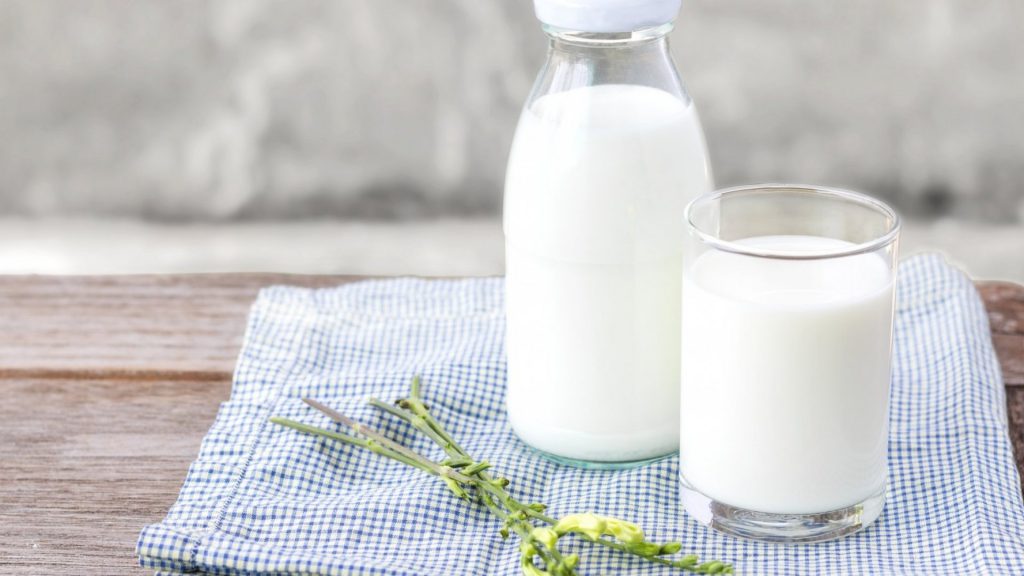
SaveWhole milk is creamier and more filling, but it has nearly double the calories of skim. The percentage on the label is fat by weight: whole milk is about 3.25% fat, which is less than many people think.
2% milk is the middle ground most families land on. It still tastes rich in coffee and cereal.
 Save
SaveSkim milk gives you the most protein per calorie of any milk. It is a great base for smoothies and oatmeal if you are watching calories.
Lactose-Free Milk
 Save
SaveThis is real cow’s milk with an enzyme added to break down lactose, so it has the same protein and calcium as regular milk. It tastes slightly sweeter because lactose is split into simpler sugars, but no sugar is added.
Plant Milks: Soy, Almond, and Oat
- Soymilk is the only common plant milk that comes close to dairy in protein. Fortified versions match it in calcium too. Read more about soybeans and soy foods.
- Unsweetened almond milk is very low in calories but has almost no protein. Fine for coffee or cereal, but do not count on it for protein.
- Oat milk is creamy and great in coffee, but it is usually higher in carbs and lower in protein than dairy or soy. Some brands add oil and sugar, so compare labels.
Whichever plant milk you pick, choose one that is unsweetened and fortified with calcium and vitamin D. Plant milks also work well in vegan smoothies.
Flavored, Organic, and Raw Milk
 Save
SaveFlavored milk has the same nutrients as plain milk plus added sugar. Treat it as an occasional drink.
 You’ll also love10 Everyday Foods That Support Energy and Focus Naturally
Organic milk comes from farms that follow USDA organic rules for feed and animal care. Its basic nutrition is very similar to regular milk, so it is a personal choice, not a health necessity.
 You’ll also love15 Supplement Mistakes That Waste Money (and What To Do Instead)
Raw (unpasteurized) milk is the one to skip. The CDC warns that raw milk can be a source of foodborne illness, including germs like Salmonella and Listeria. Pasteurized milk keeps the nutrition without that risk.
Which Type of Milk Should You Buy?
- Want the most protein for the fewest calories: skim.
- Want flavor and fullness: 2% or whole.
- Lactose bothers you: lactose-free milk or fortified soymilk.
- Dairy-free and need protein: unsweetened soymilk.
- Just need something for coffee: whatever you enjoy; the amount is small.
Looking for ways to use milk in a high-protein breakfast? Try our high-protein breakfast recipes.
Sources: USDA FoodData Central: whole milk (746782), 2% milk (171267), skim milk (171269), soymilk (175215), almond milk (174832); CDC – Raw Milk.