Nails are made mostly of a tough protein called keratin, so the foods that help most are the ones that give you steady protein plus a few minerals your body uses to build it: zinc, iron and magnesium. Eggs, salmon, lentils, pumpkin seeds, almonds, Greek yogurt, oats and red bell peppers cover nearly all of it.
One honest caveat up front: food supports nail growth, but it works slowly, and it will not undo damage from harsh polish removers, constant hand-washing or biting. Below are the eight foods worth eating often, the real numbers behind each one, and the habits that matter just as much.
Best Foods for Strong Nails at a Glance
| Food | Serving | What it brings |
|---|---|---|
| Eggs | 1 large egg (50 g) | 6.3 g protein, biotin, 15 µg selenium |
| Salmon | 3 oz cooked | 18.8 g protein, 1.8 g omega-3 (EPA + DHA) |
| Lentils | 1 cup cooked | 17.9 g protein, 6.6 mg iron, 2.5 mg zinc |
| Pumpkin seeds | 1 oz | 8.6 g protein, 2.2 mg zinc, 168 mg magnesium |
| Almonds | 1 oz | 6 g protein, 7.3 mg vitamin E, 77 mg magnesium |
| Greek yogurt (plain, nonfat) | 170 g container | 17.5 g protein, 189 mg calcium |
| Oats | ½ cup dry (40 g) | 5.3 g protein, 1.5 mg zinc, 1.7 mg iron |
| Red bell pepper | 1 cup sliced | 117 mg vitamin C |
1. Eggs
 Save
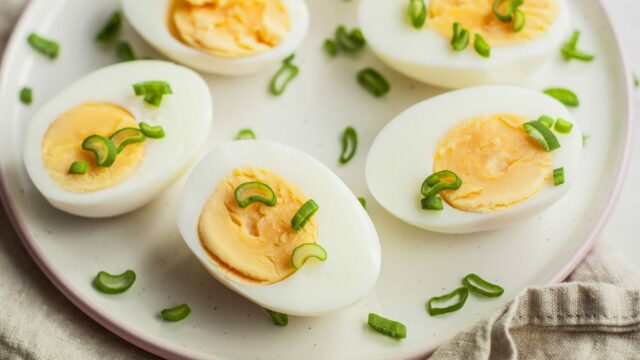
SaveEggs are the easiest place to start. One large egg has about 6.3 g of protein, and eggs are one of the foods the NIH lists as a natural source of biotin, the B vitamin most often linked with nails. You also get some selenium and iron in the same small package.
Easy ways to eat them: two hard-boiled eggs as a snack, a veggie scramble at breakfast, or a fried egg on top of a grain bowl. Cook them through and eat the whole egg.
2. Salmon
 Save
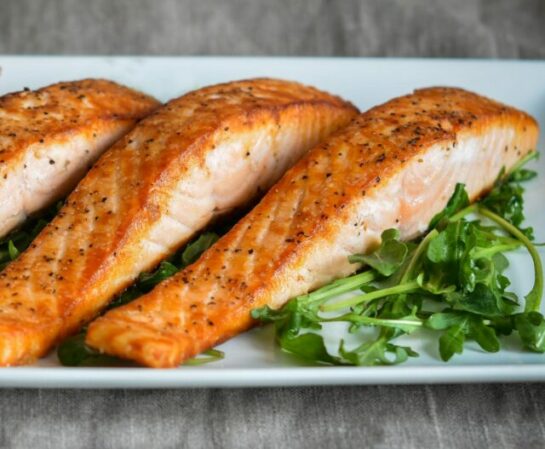
SaveA 3-ounce portion of cooked Atlantic salmon gives you about 18.8 g of protein, 1.8 g of the omega-3 fats EPA and DHA, and 35 µg of selenium. That combination makes it one of the most nutrient-dense proteins you can put on your plate.
Easy ways to eat it: sheet-pan salmon with vegetables, canned salmon mixed into patties, or leftover salmon flaked over a salad. Aim for fish about twice a week.
3. Lentils and Beans
 Save
SaveIf you eat little or no meat, lentils do a lot of heavy lifting. One cup of cooked lentils has 17.9 g of protein, 6.6 mg of iron and 2.5 mg of zinc. Beans and chickpeas fall in a similar range.
Plant iron is absorbed better when you eat it with vitamin C, so pair lentils with tomatoes, peppers or a squeeze of lemon. For more meat-free options, see our list of the best vegetarian protein sources.
4. Pumpkin Seeds
Pumpkin seeds (pepitas) are small but loaded. A 1-ounce handful has 8.6 g of protein, 2.2 mg of zinc, 2.5 mg of iron and 168 mg of magnesium. That is a big share of your daily zinc and magnesium in about 160 calories.
 You’ll also loveSaturated vs Unsaturated Fats: What’s the Difference and Which to Eat
Easy ways to eat them: sprinkle on oatmeal, yogurt or soup, or toss into a trail mix. Our guide to magnesium-rich foods has more snack ideas built around seeds and nuts.
5. Almonds
One ounce of almonds gives you 6 g of protein, 7.3 mg of vitamin E and 77 mg of magnesium. Vitamin E is an antioxidant, and almonds are one of the richest everyday sources of it.
Easy ways to eat them: a small handful as an afternoon snack, almond butter on toast, or sliced almonds on salads. They are calorie-dense, so a handful is the right portion.
6. Greek Yogurt
 Save
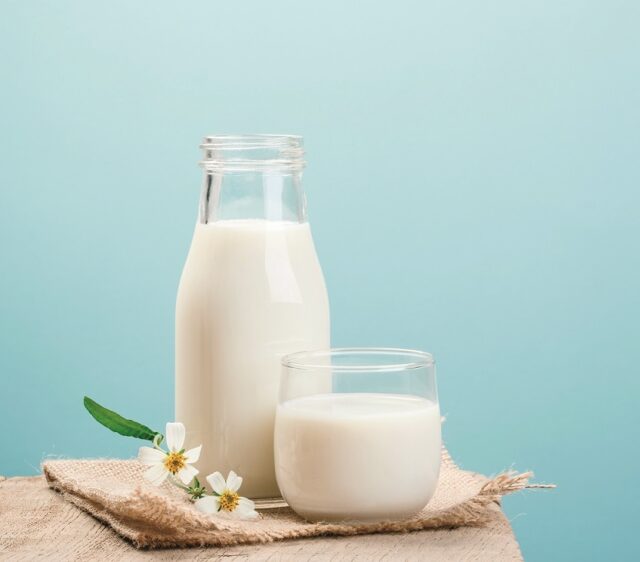
SavePlain nonfat Greek yogurt has about 10.3 g of protein per 100 g, so a typical 170 g container lands around 17.5 g, plus 189 mg of calcium. It is one of the easiest ways to add a solid protein hit to breakfast or a snack.
Choose plain and add your own fruit; flavored cups can carry a lot of added sugar. Milk and cheese work too. For more lean picks, see these high-protein, low-fat foods.
7. Oats
 Save
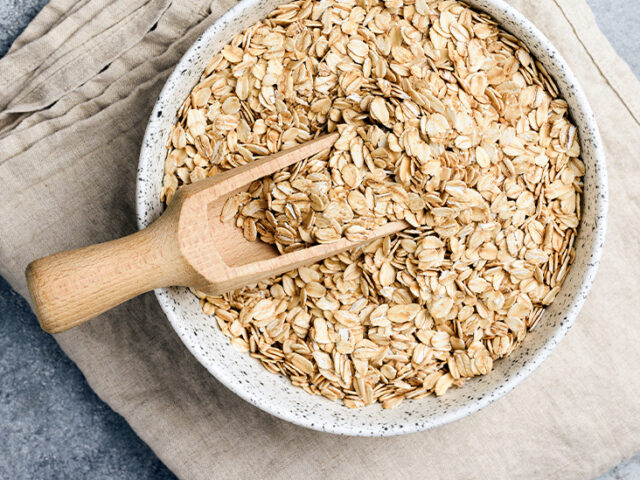
SaveHalf a cup of dry oats (40 g) has 5.3 g of protein, 1.5 mg of zinc and 1.7 mg of iron. Oats are not a superstar on their own, but they are an easy base for the other foods on this list.
Make it count: cook oats in milk, then top with Greek yogurt, pumpkin seeds and sliced almonds. That one bowl covers four foods from this list.
8. Red Bell Peppers
One cup of sliced red bell pepper has 117 mg of vitamin C. Your body uses vitamin C to make collagen, and it helps you absorb the iron in plant foods like lentils and oats.
Easy ways to eat them: raw strips with hummus, diced into lentil salads, or roasted with eggs. Strawberries, kiwi and broccoli are good vitamin C swaps.
A Simple Day of Eating for Stronger Nails
- Breakfast: oatmeal topped with Greek yogurt, pumpkin seeds and berries.
- Lunch: lentil salad with red bell pepper, tomato, olive oil and lemon.
- Snack: a small handful of almonds or two hard-boiled eggs.
- Dinner: baked salmon with roasted vegetables and brown rice.
The pattern matters more than any single food: some protein at every meal, a few servings of seeds, nuts or legumes a day, and plenty of colorful produce.
Habits That Matter as Much as Food
Many brittle nails come from what happens to them on the outside. Mayo Clinic’s nail care advice is simple:
- Wear cotton-lined rubber gloves when washing dishes, cleaning or using harsh chemicals.
- Rub lotion into your nails and cuticles, not just your hands.
- Trim with sharp clippers and round the tips slightly.
- Don’t bite your nails, pick at cuticles or tear off hangnails.
- Use nail polish remover less often, and pick an acetone-free one.
Common Questions
Do biotin supplements make nails stronger?
The evidence is thin. The NIH notes that a few small studies found harder nails in some people with brittle nails who took high-dose biotin, but there is little scientific evidence for the hair, skin and nail claims overall. Adults need about 30 mcg a day, which most people get from food. Check with your doctor before taking high-dose supplements.
How long until diet changes show in my nails?
Months, not weeks. Nails grow slowly, so the part you see today was formed a while ago. Give a better eating pattern at least a few months before judging it, and keep up the protective habits above in the meantime.
Can food alone fix weak or peeling nails?
Sometimes, but often not. If your diet is already varied, gloves, moisturizer and gentler nail products usually make a bigger difference than adding one more food.
When should I see a doctor about my nails?
Mayo Clinic recommends checking with a doctor or dermatologist if you notice a dark streak or color change across the whole nail, curling, pits or grooves, a nail lifting from the skin, bleeding, swelling or pain around the nail, or nails that stop growing. Changes like these are not something food can fix.
 You’ll also loveLeafy Greens Guide: Benefits of Spinach, Kale and More (Plus How to Eat Them)
Looking after other parts of your body with food? Read our guide to foods for healthy teeth and gums.
Sources: USDA FoodData Central via getfoodfacts.com (FDC IDs 171287 egg, 175168 salmon, 172421 lentils, 170556 pumpkin seeds, 170567 almonds, 330137 Greek yogurt, 173904 oats, 170108 red bell pepper); NIH Office of Dietary Supplements, Biotin; Mayo Clinic, Fingernails: Do’s and don’ts.